 By Nishant Pal
 Bawana Industrial Area is one of the largest industrial regions in Delhi and an important center for manufacturing, warehousing, and commercial activities. Located in North-West Delhi, the area was developed to shift industries from congested residential and commercial parts of the city to a more organized industrial zone.
Over the years, Bawana Industrial Area has grown rapidly and become a major business location for small-scale and medium-scale industries. Thousands of factories, workshops, warehouses, and manufacturing units operate here, providing employment opportunities to a large number of people from Delhi and nearby states.
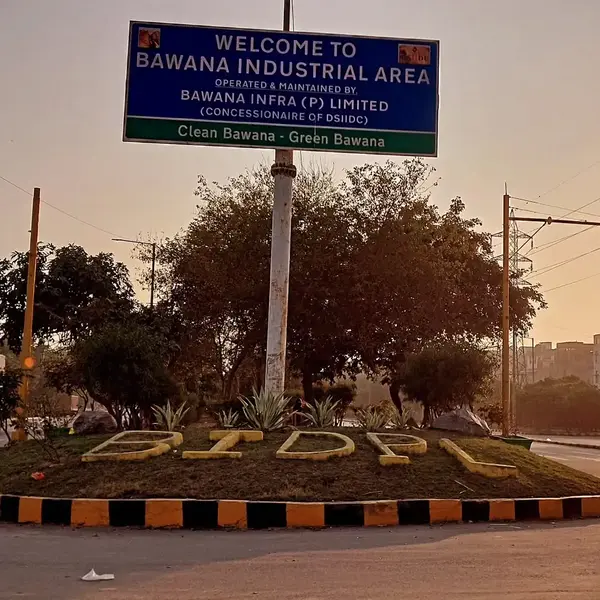
The industrial area supports multiple sectors including plastics, packaging, engineering, garments, electrical goods, furniture, and automobile-related businesses. Because of its large industrial setup and strategic location, Bawana plays an important role in Delhi’s industrial economy.
Today, the area is known for its wide roads, industrial plots, warehouses, and busy commercial environment.
Location of Bawana Industrial Area
Bawana Industrial Area is situated in the north-western part of Delhi near areas such as Narela, Rohini, Pooth Khurd, and Sultanpur Dabas. The area is connected through major roads and highways that help industries manage transportation and logistics operations efficiently.
Its location provides good connectivity to neighboring states like Haryana and Uttar Pradesh. Many industries prefer operating from Bawana because transportation of goods becomes easier through highway networks.
The area is also connected to different parts of Delhi through public transport and road infrastructure.
History and Development
Bawana Industrial Area was developed as part of Delhi’s industrial relocation plan. Many factories and small industrial units operating in residential and non-industrial areas were shifted to Bawana to reduce congestion and pollution in central parts of Delhi.
The Delhi State Industrial and Infrastructure Development Corporation (DSIIDC) played a major role in developing the area. Large industrial plots, roads, drainage systems, and infrastructure facilities were created to support industrial operations.
Initially, industries faced challenges because the area was still developing. However, over time, better connectivity, infrastructure improvements, and increasing business activities helped Bawana become one of Delhi’s largest industrial zones.
Today, thousands of businesses operate successfully in the region.
Major Industries in Bawana Industrial Area
Bawana Industrial Area supports a wide range of industrial and manufacturing sectors.
Plastic and Packaging Industries
Plastic manufacturing and packaging businesses are among the most common industries in the area. Companies produce containers, packaging materials, industrial plastic products, and household items.
Engineering and Machinery Units
Engineering workshops and machinery manufacturing units operate on a large scale in Bawana. These businesses manufacture industrial equipment, machine parts, tools, and metal products.
Garment and Textile Units
Many garment manufacturing and textile businesses operate in the area. Clothing production, stitching units, and textile processing industries support Delhi’s garment market.
Electrical and Electronics Industries
Electrical goods manufacturing and electronics-related industries are also active in the industrial region.
Furniture Manufacturing
Furniture workshops and manufacturing units produce office furniture, wooden products, modular furniture, and commercial interior items.
Warehousing and Logistics
Large warehouses and transport businesses support supply chain operations in Delhi NCR. Storage and distribution activities are common throughout the area.
Commercial Importance
Bawana Industrial Area is not only an industrial center but also an important commercial and wholesale business zone.
The area supports:
● Manufacturing industries
● Wholesale trading
● Warehousing operations
● Transport businesses
● Industrial supply chains
● Packaging services
● Engineering services
Business owners, traders, transport operators, and suppliers regularly visit the area for commercial activities.
Because of the large number of industries operating here, Bawana contributes significantly to Delhi’s industrial economy.
Connectivity and Transportation
One of the biggest advantages of Bawana Industrial Area is its growing transport connectivity.
Road Connectivity
The area is connected through major roads linking North Delhi, Outer Ring Road, and nearby highways. Commercial vehicles and trucks regularly transport goods between Delhi, Haryana, and other neighboring states.
The road network supports industrial logistics and transportation efficiently.
Metro Connectivity
Although the industrial area itself may not have direct metro access in every section, nearby metro stations improve travel convenience for workers and visitors.
Rithala Metro Station and nearby transport routes are commonly used by commuters traveling towards the industrial region.
Public Transport
Delhi Transport Corporation buses, private buses, auto-rickshaws, e-rickshaws, and shared transport services operate regularly in the area.
Workers from different parts of Delhi use public transport daily for commuting.
Employment Opportunities
Bawana Industrial Area provides employment opportunities to thousands of workers from Delhi, Uttar Pradesh, Bihar, Haryana, Rajasthan, and nearby regions.
Job opportunities are available in:
● Manufacturing industries
● Warehouses and logistics
● Packaging industries
● Garment factories
● Furniture workshops
● Machine operations
● Transport services
● Office administration
● Technical maintenance
Both skilled and unskilled workers find jobs in the area.
Residential and Commercial Development
Industrial growth has also increased residential and commercial development around Bawana. Nearby areas now include housing colonies, rental rooms, apartments, and local markets for workers and business owners.
Commercial facilities include:
● Restaurants and dhabas
● Grocery stores
● Medical shops
● Banks and ATMs
● Petrol pumps
● Hotels and guest houses
● Service centers and repair shops
These facilities support the growing industrial workforce in the region.
Daily Life in Bawana Industrial Area
The industrial area remains busy from early morning till late evening. Factory workers, transport operators, and business owners create a highly active industrial environment.
Tea stalls, food vendors, and roadside restaurants remain crowded during working hours. Trucks, loading vehicles, and warehouse activities are common sights throughout the day.
The atmosphere reflects a typical large industrial zone where manufacturing and business operations continue continuously.
Challenges Faced by the Area
Despite being an important industrial hub, Bawana Industrial Area also faces several challenges.
Traffic Congestion
Heavy movement of industrial vehicles and trucks often creates congestion on connecting roads.
Pollution
Industrial activities contribute to air and noise pollution in some parts of the area.
Infrastructure Maintenance
Road repairs, drainage systems, and waste management require continuous improvement because of increasing industrial activity.
Water and Electricity Issues
Some industries occasionally face water supply and electricity-related challenges during peak operational periods.
Importance in Delhi’s Economy
Bawana Industrial Area plays an important role in Delhi’s industrial and commercial economy. The area supports manufacturing, warehousing, logistics, and wholesale business operations on a large scale.
Products manufactured in Bawana are supplied to markets across Delhi NCR and nearby states. The industrial area also contributes significantly to employment generation and industrial production.
Because of its large industrial infrastructure, Bawana remains one of the most important manufacturing regions in Delhi.
Future Development
The future of Bawana Industrial Area looks promising as industrial and commercial demand continues to grow. Infrastructure upgrades, improved transport systems, and modernization of industrial facilities are expected to improve the business environment further.
Many businesses are adopting modern machinery, automation systems, and advanced warehouse technologies to increase productivity.
The development of nearby roads and industrial support services may also strengthen the region’s commercial importance in coming years.
Conclusion
Bawana Industrial Area is one of Delhi’s largest and most important industrial hubs. From manufacturing industries and engineering workshops to warehouses and garment units, the area supports a wide range of economic activities.
Its strategic location, industrial infrastructure, and growing connectivity make it highly suitable for industries and businesses. Thousands of workers and entrepreneurs depend on Bawana for employment and commercial opportunities.
Despite challenges like traffic and pollution, the area continues to grow rapidly. With ongoing industrial expansion and infrastructure improvements, Bawana Industrial Area is expected to remain a major industrial and manufacturing center in Delhi for many years ahead.
 Akash Sharma