 By Nishant Pal
 Wearable health technology has evolved far beyond counting steps and tracking calories. Today’s smartwatches, fitness bands, and health rings claim to measure stress, recovery, readiness, sleep quality, and even your nervous system’s state. As a result, many people wonder whether these devices can accurately tell if their nervous system is “safe,” calm, or under stress.
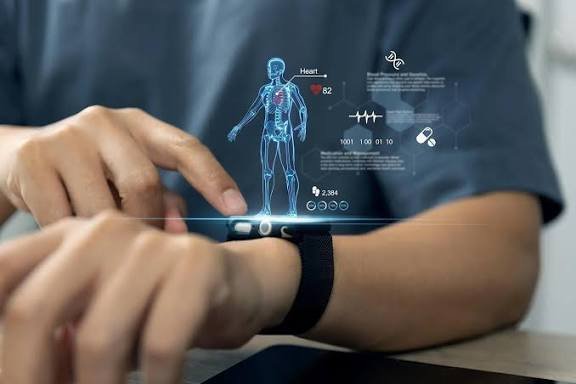
The answer is more complex than a simple yes or no. Wearables cannot directly measure your nervous system’s sense of safety or emotional well-being. Instead, they monitor physiological signals—such as heart rate, heart rate variability (HRV), skin temperature, breathing rate, and sleep patterns—that may provide useful clues about how your autonomic nervous system is responding.
Understanding what these devices can and cannot measure helps you use them wisely without placing too much trust in a single score or notification.
What Does “Nervous System Safety” Mean?
The nervous system constantly responds to both physical and emotional situations. When you feel safe and relaxed, the parasympathetic nervous system becomes more active, helping your body rest, digest, and recover.
During stress, illness, anxiety, or intense exercise, the sympathetic nervous system becomes more active, increasing heart rate, breathing, and alertness.
Because these responses involve many body systems, no wearable can directly determine whether your nervous system is truly “safe.” Instead, devices estimate your physiological state using several measurable indicators.
What Signals Do Wearables Measure?
Modern wearable devices commonly monitor:
- Heart rate
- Heart rate variability (HRV)
- Resting heart rate
- Respiratory rate
- Blood oxygen (SpO₂)
- Skin temperature
- Sleep duration
- Sleep stages
- Physical activity
- Movement patterns
These measurements are combined using algorithms to estimate recovery, readiness, stress, or overall wellness.
Why Heart Rate Variability (HRV) Matters
Among all wearable measurements, Heart Rate Variability (HRV) is often considered one of the most useful indicators of autonomic nervous system activity.
HRV refers to the small differences in time between consecutive heartbeats. Contrary to what many people assume, a healthy heart does not beat at perfectly equal intervals.
Generally:
- Higher HRV often reflects greater adaptability and recovery.
- Lower HRV may occur during illness, psychological stress, poor sleep, dehydration, or intense physical exertion.
However, HRV varies greatly between individuals. A value that is normal for one person may not be normal for another. For this reason, tracking your own trends over time is usually more meaningful than comparing numbers with others.
Can Wearables Measure Stress?
Many smartwatches and fitness trackers offer stress scores based on changes in HRV, heart rate, and other physiological signals.
These scores can highlight periods when your body appears to be under increased strain, but they cannot identify the exact cause. For example, a higher stress score could reflect:
- Exercise
- Emotional stress
- Fever
- Lack of sleep
- Caffeine intake
- Dehydration
- Excitement
This means the device is measuring your body’s response—not your emotions or mental state directly.
Sleep Tracking and Recovery
Quality sleep plays an important role in nervous system recovery.
Most advanced wearables estimate:
- Total sleep time
- Deep sleep
- Light sleep
- REM sleep
- Overnight heart rate
- Overnight HRV
While consumer sleep tracking is not as accurate as laboratory sleep studies, it can still help identify long-term patterns such as inconsistent sleep schedules or reduced sleep duration.
Recovery and Readiness Scores
Some wearable devices provide a daily readiness or recovery score.
These scores often combine:
- HRV
- Resting heart rate
- Sleep quality
- Recent activity
- Temperature trends
The goal is to estimate how well your body has recovered from previous physical or mental demands.
These scores are useful for identifying trends but should not replace how you actually feel. For example, if a wearable suggests you’re fully recovered but you feel unwell, your symptoms should take priority.
Factors That Affect Accuracy
Wearable measurements can be influenced by several everyday factors.
Common influences include:
- Loose-fitting devices
- Motion during measurement
- Cold weather
- Darker skin tones (for some optical sensors)
- Tattoos beneath the sensor
- Poor sleep
- Alcohol
- Certain medications
- Illness
Because of these variables, readings should always be interpreted with caution.
Can Wearables Detect Anxiety?
No wearable can diagnose anxiety, depression, or other mental health conditions.
Some devices may detect physiological changes associated with stress, such as increased heart rate or reduced HRV, but these changes are not specific to anxiety. Similar responses can occur during exercise, excitement, pain, or illness.
If someone experiences persistent anxiety, panic attacks, or emotional distress, they should seek guidance from a qualified healthcare professional rather than relying solely on wearable data.
Best Ways to Use Wearables
Wearables are most valuable when used to monitor long-term trends rather than individual readings.
They can help you:
- Notice changes in sleep habits.
- Monitor resting heart rate.
- Track HRV over time.
- Identify recovery patterns.
- Encourage regular physical activity.
- Build healthier daily routines.
Combining wearable data with healthy lifestyle habits provides the greatest benefit.
Supporting a Healthy Nervous System
Technology is only one part of maintaining overall well-being.
Healthy habits that support nervous system function include:
- Regular physical activity
- Consistent sleep schedules
- Balanced nutrition
- Adequate hydration
- Relaxation techniques
- Spending time outdoors
- Social connection
- Managing chronic stress
These practices often have a greater impact on long-term health than any single wearable metric.
Should You Trust Wearable Scores?
Wearables can provide useful insights into changes in your body’s physiological responses, especially when tracking trends over weeks or months. However, they should be viewed as wellness tools rather than medical diagnostic devices.
If your wearable repeatedly shows unusual readings or if you experience symptoms such as chest pain, dizziness, fainting, severe shortness of breath, or persistent palpitations, consult a healthcare professional promptly. Medical evaluation is always more reliable than consumer technology for diagnosing health conditions.
Conclusion
Modern wearables have become increasingly sophisticated, offering valuable information about heart rate, heart rate variability, sleep, activity, and recovery. While these devices cannot directly measure your nervous system’s true sense of safety or emotional state, they can provide helpful indicators of how your body is responding to physical and psychological demands.
The most useful metric for assessing autonomic nervous system trends is often HRV, particularly when viewed alongside sleep quality, resting heart rate, and overall lifestyle habits. Rather than focusing on a single stress or readiness score, use wearable data as one piece of a broader picture that includes how you feel, your daily routines, and professional medical advice when needed.
Ultimately, wearables are excellent tools for building awareness and encouraging healthier habits—but they should complement, not replace, clinical assessment and personal judgment.
FAQs
1. Can a smartwatch accurately measure my nervous system?
No. Smartwatches cannot directly measure nervous system safety. They estimate physiological responses using metrics such as heart rate, heart rate variability (HRV), sleep patterns, and activity levels.
2. Is heart rate variability (HRV) a good indicator of stress?
HRV is a useful measure of autonomic nervous system activity and recovery. Lower HRV may be associated with stress, illness, poor sleep, or intense exercise, but it should be interpreted based on your personal trends rather than compared with others.
3. Can wearables diagnose anxiety or depression?
No. Wearables cannot diagnose mental health conditions. They may detect physiological changes associated with stress, but these changes are not specific enough to identify anxiety, depression, or other disorders.
4. Which wearable metric is most useful for recovery?
Many experts consider HRV, combined with resting heart rate, sleep quality, and recovery trends over time, to be among the most informative indicators available on consumer wearable devices.
5. Should I rely on wearable health scores alone?
No. Wearable scores are estimates and should be used as wellness guides. If you have concerning symptoms or persistent abnormal readings, seek advice from a qualified healthcare professional rather than relying solely on your device.