 By Nishant Pal
 The food industry is constantly adapting to changing consumer needs, but one of the biggest recent influences has come from healthcare rather than food trends. The growing use of GLP-1 medications, such as those prescribed for type 2 diabetes and weight management, is beginning to reshape the way food companies develop and market their products.
Many people taking GLP-1 medications report eating smaller portions, feeling full for longer, and becoming more selective about the foods they consume. As a result, food manufacturers are responding by creating products that provide more nutrition in smaller servings, with a greater focus on protein, fibre, vitamins, and overall nutrient density.
This shift reflects changing consumer behaviour rather than a complete transformation of the food industry. Understanding why it is happening helps explain many of the new products appearing on supermarket shelves.
What Are GLP-1 Medications?
GLP-1 (Glucagon-Like Peptide-1) receptor agonists are prescription medications primarily used to help manage type 2 diabetes and, in some cases, obesity or overweight under medical supervision.
These medicines work in several ways, including:
- Increasing feelings of fullness
- Slowing stomach emptying
- Helping regulate blood sugar
- Reducing appetite in many people
Because they affect appetite and eating patterns, they are also influencing consumer food preferences.
How Eating Habits Are Changing
People taking GLP-1 medications often report changes such as:
- Eating smaller meals
- Snacking less frequently
- Feeling satisfied sooner
- Choosing foods with higher nutritional value
- Avoiding very heavy or greasy meals if they cause discomfort
These changes do not occur in everyone, and individual experiences vary depending on the medication, dosage, health conditions, and lifestyle.
Why Food Companies Are Responding
When eating patterns change across a growing group of consumers, food manufacturers naturally adapt.
Rather than simply producing larger portion sizes, many companies are exploring foods that deliver more nutrition in smaller servings.
Examples include:
- High-protein snacks
- Protein-enriched yoghurts
- Fibre-rich breakfast products
- Meal replacement beverages
- Smaller ready-to-eat meals
- High-protein frozen meals
- Nutrient-fortified snacks
The emphasis is shifting from quantity to nutritional quality.
Greater Focus on Protein
Protein has become one of the most important nutrients in new product development.
People consuming fewer calories still need adequate protein to support:
- Muscle maintenance
- Recovery
- Healthy ageing
- Satiety
- Overall nutrition
Food companies are therefore introducing products with higher protein content while keeping portion sizes relatively small.
Examples include:
- Greek yoghurt
- Cottage cheese products
- Protein shakes
- High-protein cereals
- Protein snack bars
- Ready-to-drink beverages
Fibre Is Becoming More Important
Fibre is another ingredient receiving increased attention.
Foods rich in fibre may help support:
- Digestive health
- Regular bowel movements
- Feelings of fullness
- Blood sugar management
Manufacturers are incorporating more:
- Whole grains
- Oats
- Legumes
- Seeds
- Fruits
- Vegetables
into packaged food products.
Smaller Portions with Better Nutrition
Traditional food marketing often focused on larger serving sizes and value packs.
Now, some companies are exploring products that provide:
- Balanced nutrition
- Appropriate calorie levels
- Convenient packaging
- Portion control
- Easy meal planning
The idea is not simply to reduce food quantity but to maximise nutritional value within smaller portions.
Reformulating Popular Foods
Instead of launching entirely new products, many manufacturers are updating existing recipes.
Possible changes include:
- More protein
- Less added sugar
- Reduced saturated fat
- Increased fibre
- Added vitamins and minerals
- Improved ingredient quality
These adjustments can appeal to a broader range of health-conscious consumers, not only those using GLP-1 medications.
Convenience Still Matters
Although nutrition is becoming a greater priority, convenience remains essential.
Consumers continue to seek foods that are:
- Ready to eat
- Easy to prepare
- Portable
- Suitable for busy lifestyles
As a result, companies are combining convenience with improved nutritional profiles rather than sacrificing one for the other.
Who Benefits from These Changes?
Many of these newer food products may appeal to people beyond those taking GLP-1 medications.
Potential beneficiaries include:
- Busy professionals
- Older adults
- Fitness enthusiasts
- Individuals managing diabetes
- Families seeking healthier snacks
- People focusing on weight management through lifestyle changes
However, nutritional needs vary from person to person, and no single product is suitable for everyone.
Things Consumers Should Remember
Health-focused marketing can sometimes create unrealistic expectations.
When evaluating new products, it’s helpful to:
- Read the nutrition label.
- Check protein and fibre content.
- Look at added sugars.
- Review sodium levels.
- Consider portion size.
- Compare ingredients with similar products.
A product marketed as “high protein” or “GLP-1 friendly” is not automatically healthier overall.
Medication Is Not a Substitute for Healthy Eating
While GLP-1 medications can support certain medical conditions under professional supervision, they work best when combined with healthy lifestyle habits.
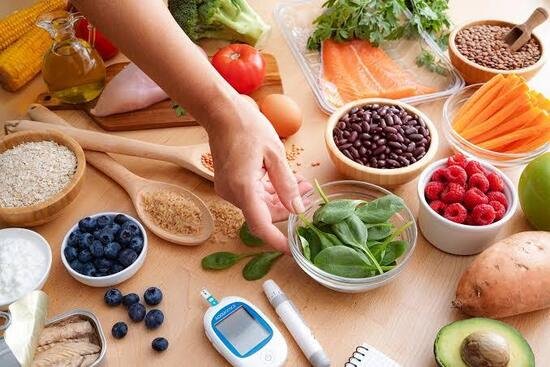
A balanced diet still includes:
- Fruits
- Vegetables
- Whole grains
- Lean proteins
- Healthy fats
- Adequate hydration
Highly processed foods—even if reformulated—should not replace a varied, nutrient-rich eating pattern.
The Future of Food Innovation
As consumer preferences continue to evolve, food companies are expected to invest further in:
- Functional foods
- High-protein meal solutions
- Personalised nutrition
- Portion-controlled packaging
- Nutrient-dense snacks
- Health-focused convenience products
This trend reflects a broader movement toward supporting overall wellness rather than simply reducing calories.
At the same time, food choices should remain flexible and tailored to individual needs, preferences, and medical advice.
Conclusion
The growing use of GLP-1 medications is influencing how many people approach food, encouraging smaller meals and greater attention to nutritional quality. In response, food manufacturers are reformulating products with more protein, fibre, vitamins, and balanced nutrition while also exploring smaller, portion-controlled servings.
Although these changes are partly driven by the needs of GLP-1 users, they are also benefiting a wider audience interested in healthier eating. Nevertheless, no packaged food or medication can replace the value of a balanced diet, regular physical activity, and personalised healthcare.
As the food industry continues to evolve, consumers should focus on overall dietary quality, read nutrition labels carefully, and make choices that support their individual health goals rather than relying solely on marketing claims.
FAQs
1. What are GLP-1 medications?
GLP-1 receptor agonists are prescription medicines used primarily to help manage type 2 diabetes and, in certain cases, obesity or overweight. They can increase feelings of fullness, slow stomach emptying, and help regulate blood sugar.
2. Why are food companies changing their products?
As more consumers seek smaller, nutrient-dense meals, manufacturers are developing foods with higher protein, more fibre, improved nutrition, and portion-controlled packaging to meet changing preferences.
3. Are GLP-1-friendly foods necessary for everyone?
No. While these products may suit some people, healthy eating principles such as consuming a balanced diet rich in fruits, vegetables, whole grains, lean proteins, and healthy fats remain appropriate for most individuals.
4. Do GLP-1 medications replace healthy eating?
No. These medications are intended to complement—not replace—a healthy lifestyle. Following medical advice, eating a balanced diet, staying physically active, and maintaining regular follow-up care remain essential.
5. Should consumers trust all “high-protein” or “GLP-1-friendly” labels?
Not automatically. It’s important to read nutrition labels, compare products, and consider the overall nutritional profile, including protein, fibre, added sugars, sodium, and ingredient quality, rather than relying only on front-of-package marketing claims.