 By Saurav Mehra
₹30 lakh is an interesting car-buying budget in India. It is high enough to move beyond ordinary transportation, but still below the territory where most traditional luxury-brand cars begin. Instead, buyers can choose well-equipped SUVs, powerful sedans, strong hybrids and increasingly sophisticated electric vehicles.
The important question is what actually makes a car feel premium. Leatherette upholstery and a large touchscreen help, but they are only part of the experience. Ride quality, cabin insulation, seat comfort, engine refinement, audio quality, safety technology and the way switches and controls operate can matter much more after several years of ownership.
The following cars stand out when these qualities are considered together. Prices mentioned are approximate ex-showroom figures and can change with variant and location.
1. Toyota Innova Hycross
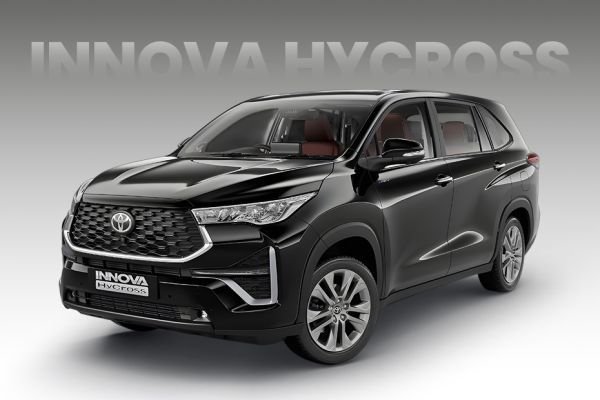
The Innova Hycross is an excellent example of premium family motoring without a luxury badge.
Its spacious cabin, comfortable seating and long-distance refinement make it particularly attractive to families. Higher variants add equipment that transforms the Hycross from a practical MPV into a genuinely premium passenger vehicle.
The strong-hybrid powertrain is another major attraction. It combines a large petrol engine with electric assistance, making the Hycross unusually efficient for a vehicle of its size.
Several Hycross variants remain within ₹30 lakh ex-showroom, although the highest versions cross the budget. The VX(O) hybrid, for example, sits at roughly ₹28 lakh ex-showroom.
Best for: Premium family travel and chauffeur-driven use.
2. Mahindra XUV 7XO
The XUV 7XO is a strong choice for buyers who associate premium motoring with performance, technology and road presence.
Its large three-row format gives families substantially more space than a conventional midsize SUV, while powerful petrol and diesel options make it suitable for highway travel.
Higher versions provide the kind of technology buyers increasingly expect at this price point, including sophisticated displays, premium comfort equipment and advanced driver-assistance features.
Current pricing places much of the XUV 7XO range within the ₹30 lakh ex-showroom bracket.
Best for: Families wanting performance, technology and three-row versatility.
3. Jeep Compass
The Compass takes a different route to feeling premium.
Rather than competing primarily through enormous screens or an extremely long feature list, its appeal comes from its substantial road manners, cabin ambience, steering and European-influenced driving character.
Its diesel engine also makes it particularly relevant to buyers covering substantial highway distances.
The Compass currently starts below ₹20 lakh ex-showroom, although upper variants can exceed ₹30 lakh. This means buyers need to select the configuration carefully.
Best for: Buyers prioritising driving feel and a mature SUV experience.
4. Hyundai Alcazar
The Alcazar brings many of Hyundai’s premium technologies into a practical three-row package.
Its attraction is particularly strong for families that find a five-seat Creta too limiting but do not want the bulk of a much larger SUV.
Depending on variant, equipment can include a panoramic sunroof, sophisticated infotainment, connected-car technology, premium seating features and driver-assistance systems.
Current pricing begins at around ₹15 lakh ex-showroom, with the range remaining comfortably below ₹30 lakh.
The six-seat configuration with captain seats is especially appealing when second-row comfort receives priority.
Best for: Urban families wanting a premium six- or seven-seat SUV.
5. Tata Safari
The Safari is worth considering when road presence and cabin space matter as much as technology.
Its large dimensions immediately distinguish it from midsize SUVs. Inside, higher variants offer the equipment expected from a modern premium family vehicle, including large displays, panoramic-roof availability and advanced safety technology.
The three-row configuration makes it suitable for larger households, while the diesel powertrain remains useful for long-distance driving.
Current Safari pricing extends to roughly ₹27 lakh ex-showroom, allowing even well-equipped configurations to fall within the ₹30 lakh budget.
Best for: Large families wanting space and strong SUV road presence.
6. Kia Seltos
A car does not need to be physically enormous to deliver a premium cabin experience.
The Kia Seltos demonstrates this particularly well. Its interior design, displays, feature availability and overall presentation can make higher variants feel considerably more expensive than an entry-level midsize SUV.
The current Seltos range extends to roughly ₹22 lakh ex-showroom, leaving substantial room below a ₹30 lakh budget.
That means buyers can consider well-equipped automatic versions rather than stretching the budget simply to enter a larger vehicle category.
The Seltos is especially suitable for someone who values technology and interior ambience more than having a third row.
Best for: Technology-focused buyers wanting a premium five-seat SUV.
7. Mahindra BE 6
The BE 6 changes what “premium” can mean at this price.
Instead of traditional luxury cues, it delivers a technology-led experience built around a dedicated electric architecture. Its design, digital cabin and strong electric performance make it feel very different from conventional petrol SUVs.
The BE 6 is particularly attractive to buyers with dependable home charging who want their next vehicle to feel like a genuine generational upgrade rather than simply a more expensive version of their existing car.
Current versions sit comfortably within ₹30 lakh ex-showroom.
Before buying, however, EV users should evaluate their normal daily distance, home-charging arrangement and frequency of long highway journeys.
Best for: Technology enthusiasts ready to move to an EV.
8. Hyundai Creta Electric
The Creta Electric offers a more familiar route into premium EV ownership.
Instead of using unconventional styling or an unfamiliar body format, it takes the practical midsize-SUV formula Indian families already understand and combines it with an electric powertrain.
Its quiet low-speed operation is particularly relevant to the premium experience. EVs naturally eliminate engine vibration and conventional gear changes, which can make urban driving feel exceptionally smooth.
The current Creta Electric range sits at roughly ₹14.5–₹25.2 lakh ex-showroom.
It therefore allows buyers to select a highly equipped configuration without crossing ₹30 lakh.
Best for: Families wanting a comfortable and familiar premium EV.
9. Mahindra Thar Roxx
Premium does not always have to mean soft, quiet and understated.
For some buyers, exclusivity comes from road presence, capability and character. The Thar Roxx fits that interpretation extremely well.
Compared with the traditional three-door Thar concept, the five-door Roxx is considerably more practical for family use. It combines rugged styling with a more sophisticated cabin and modern technology.
Its current range tops out at around ₹23.5 lakh ex-showroom, keeping it within this budget even in relatively high configurations.
It will not deliver the same smooth, MPV-like experience as an Innova Hycross, so buyers should choose it because they actually value its rugged character.
Best for: Buyers wanting distinctive road presence and adventure capability.
10. Hyundai Creta N Line
The Creta N Line deserves consideration when “premium” also means sporty.
Rather than simply adding more luxury equipment to the regular Creta, the N Line gives the SUV a more performance-oriented personality through its styling, turbo-petrol powertrain and sportier presentation.
Hyundai’s current pricing places the Creta N Line from roughly ₹16.9 lakh, keeping it comfortably within a ₹30 lakh budget.
It makes particular sense for someone who likes the practicality of the Creta but wants something that looks and feels more distinctive.
Best for: Buyers wanting a sporty premium SUV for everyday use.
What Should Feel Premium in a ₹20–30 Lakh Car?
At this budget, buyers should expect more than cosmetic upgrades.
Pay attention to the features and qualities you will experience every day:
- Cabin insulation: Highway wind and tyre noise should be reasonably controlled.
- Seat comfort: Evaluate cushioning, under-thigh support and driving position.
- Ride quality: Expensive-looking alloy wheels mean little if the car is uncomfortable over broken roads.
- Automatic transmission: It should behave smoothly in crawling traffic as well as during overtaking.
- Audio system: A good factory audio setup can noticeably improve daily ownership.
- Camera quality: 360-degree cameras become particularly useful as vehicle dimensions increase.
- Safety: Prioritise structural crash protection, airbags and ESC before convenience equipment.
- ADAS: Automatic emergency braking and adaptive cruise control can add genuine value when implemented well.
- Rear-seat experience: Particularly important when the vehicle will frequently be chauffeur-driven.
- Service experience: Maintenance accessibility still matters even when buying a premium vehicle.
A car with ventilated seats, ambient lighting and three screens can initially appear more luxurious than a simpler competitor. After a four-hour highway journey, however, seat comfort, suspension quality, refinement and stability may determine which one actually feels more premium.
Should ₹30 Lakh Mean Ex-Showroom or On-Road?
This distinction can completely change the shortlist.
A car priced at ₹28 lakh ex-showroom can exceed ₹30 lakh on-road once registration, insurance and other applicable charges are included. For example, even Toyota’s roughly ₹28 lakh Hycross VX(O) hybrid can cross ₹30 lakh on-road depending on the city.
If ₹30 lakh is your absolute spending limit, start by looking at cars priced several lakh rupees below it.
On the other hand, if your budget specifically means ₹30 lakh ex-showroom, vehicles such as higher variants of the Safari, Thar Roxx, Alcazar and several EVs become accessible. Current listings show an unusually broad selection of SUVs, hybrids and EVs within this price range.
FAQs
Q1. Which is the best premium family car under ₹30 lakh?
A. The Toyota Innova Hycross is one of the strongest choices when passenger comfort and family practicality are the main priorities. The Mahindra XUV 7XO, Hyundai Alcazar, and Tata Safari are alternatives for buyers who prefer an SUV-style three-row vehicle.
Q2. Which premium EV can I buy under ₹30 lakh?
A. Options include the Mahindra BE 6, Hyundai Creta Electric, Tata Sierra EV, and Kia Carens Clavis EV, depending on the variant. Several electric vehicles are available below ₹30 lakh ex-showroom, although higher variants may exceed this budget.
Q3. Can I buy a luxury-brand car under ₹30 lakh?
A. New cars from traditional luxury brands such as Mercedes-Benz, BMW, and Audi generally cost more than ₹30 lakh. At this budget, choosing a highly equipped mainstream or premium-positioned vehicle can offer better features and overall value than stretching the budget primarily for a luxury badge.
Q4. Should I buy the top variant of a smaller SUV or a base variant of a larger car?
A. For many buyers, a well-equipped smaller SUV can be the better everyday choice, offering features such as 360-degree cameras, ADAS, ventilated seats, premium audio, and additional convenience equipment. A larger vehicle makes more sense when you genuinely need extra passenger space, luggage capacity, performance, or capability.