 By Nishant Pal
 Gut health has become one of the most important areas of nutrition research over the past decade. While probiotics and prebiotics have long been in the spotlight, a newer concept—postbiotics—is attracting growing attention from scientists, healthcare professionals, and the food industry. In particular, postbiotic dairy products are emerging as an exciting area of innovation because they combine the nutritional benefits of dairy with beneficial compounds produced during fermentation.
Unlike probiotics, which contain live microorganisms, postbiotics consist of beneficial substances produced by these microbes during the fermentation process. Researchers believe these compounds may support digestive health, immune function, and overall well-being while offering greater stability during storage and transportation.
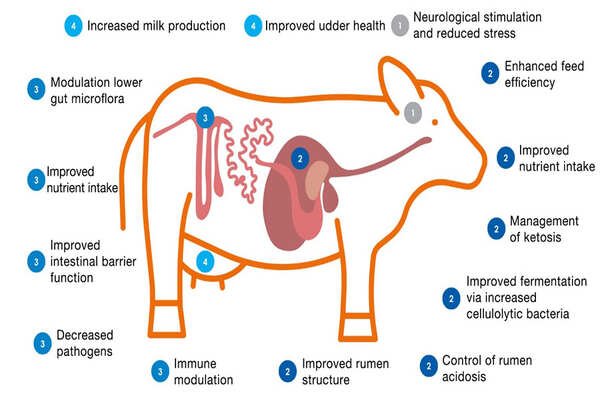
Although research is still evolving, postbiotic dairy products are becoming an important focus in the future of functional nutrition.
What Are Postbiotics?
Postbiotics are beneficial compounds created when healthy bacteria ferment food. They are not live bacteria but include substances that remain after the fermentation process.
These may include:
- Short-chain fatty acids
- Peptides
- Enzymes
- Organic acids
- Cell wall components
- Vitamins produced during fermentation
- Other beneficial microbial metabolites
These compounds are being studied for their potential role in supporting human health.
How Are Postbiotics Different from Probiotics?
Many people confuse probiotics and postbiotics, but they are not the same.
Probiotics are live beneficial microorganisms that must remain alive until consumption to provide their intended benefits.
Postbiotics, on the other hand, are the helpful compounds produced by those microorganisms. Since they do not rely on live bacteria, they are generally more stable during processing and storage.
This improved stability is one reason researchers and food manufacturers are increasingly interested in postbiotic products.
Why Dairy Is an Ideal Source
Fermented dairy products provide an excellent environment for beneficial bacteria to produce postbiotics.
Examples include:
- Yogurt
- Kefir
- Cultured buttermilk
- Certain fermented milk drinks
- Some fermented cheeses
During fermentation, microorganisms produce various compounds that may contribute to the nutritional qualities of these foods.
Potential Benefits Being Studied
Scientists continue to investigate how postbiotics may influence different aspects of health.
Current research is exploring their possible role in supporting:
- Digestive health
- Gut barrier function
- Immune system activity
- Healthy inflammatory responses
- Nutrient absorption
- Metabolic health
While early findings are promising, many of these potential benefits require further high-quality human studies before firm conclusions can be made.
Supporting the Gut Microbiome
The human digestive system contains trillions of microorganisms collectively known as the gut microbiome.
A healthy microbiome contributes to:
- Digestion
- Vitamin production
- Immune function
- Protection against harmful microbes
Researchers are studying whether postbiotics may help support a healthy gut environment by interacting with intestinal cells and beneficial bacteria already present in the digestive tract.
Greater Product Stability
One practical advantage of postbiotics is their stability.
Unlike live probiotics, postbiotic compounds are generally less affected by:
- Temperature changes
- Storage conditions
- Transportation
- Shelf life
This makes them attractive for food manufacturers seeking consistent product quality.
Innovation in Functional Foods
Consumers increasingly look for foods that offer benefits beyond basic nutrition.
This demand has encouraged manufacturers to develop functional dairy products with added nutritional value.
Current innovations include products designed to provide:
- Improved digestive support
- Enhanced protein content
- Lower added sugar
- Fortified vitamins and minerals
- Functional fermentation ingredients
Postbiotics fit naturally into this growing category of health-focused foods.
Can Everyone Benefit?
Most healthy individuals can include fermented dairy foods as part of a balanced diet if they tolerate dairy products.
However, individual needs vary.
People with:
- Milk allergies
- Severe lactose intolerance
- Certain digestive disorders
- Special medical conditions
should seek advice from a healthcare professional before making significant dietary changes.
Whole Diet Still Matters
Although postbiotic dairy products are receiving significant attention, no single food can guarantee good gut health.
A healthy digestive system is supported by an overall balanced eating pattern that includes:
- Fruits
- Vegetables
- Whole grains
- Legumes
- Nuts
- Seeds
- Adequate hydration
These foods provide dietary fibre that nourishes beneficial gut bacteria and complements the benefits of fermented foods.
Reading Product Labels
As postbiotic products become more common, consumers should carefully read food labels.
Look for information about:
- Protein content
- Added sugars
- Saturated fat
- Sodium
- Serving size
- Overall nutritional quality
Marketing claims should be considered alongside the complete nutrition profile.
What Current Research Says
Research into postbiotics is expanding rapidly, but it remains an emerging field.
Scientists continue to study:
- Which postbiotic compounds provide the greatest benefits
- Appropriate daily intake levels
- Long-term safety
- Effects in different age groups
- Benefits for specific health conditions
Although the evidence is encouraging, many health claims still require confirmation through larger clinical trials.
Future of Gut Health Nutrition
Interest in postbiotics reflects a broader shift toward personalised nutrition and preventive healthcare.
Future developments may include:
- More targeted fermented foods
- Improved functional dairy products
- Personalised nutrition recommendations
- Better understanding of the gut microbiome
- Innovative fermentation technologies
As scientific knowledge grows, postbiotics may become an increasingly important component of evidence-based nutrition.
Conclusion
Postbiotic dairy products are becoming a major focus of modern gut health research because they offer a unique combination of traditional fermentation and emerging nutritional science. Unlike probiotics, postbiotics consist of beneficial compounds produced during fermentation, making them more stable while still showing potential to support digestive and overall health.
Although research is still developing, early findings suggest that postbiotics may contribute to gut barrier function, immune support, and a healthy microbiome. However, they should be viewed as one part of a balanced diet rather than a standalone solution for digestive health.
Including fermented dairy products—when appropriate for your dietary needs—alongside a varied diet rich in fibre, fruits, vegetables, whole grains, and regular physical activity remains one of the most practical approaches to supporting long-term gut health.
FAQs
1. What are postbiotics?
Postbiotics are beneficial compounds produced by helpful microorganisms during the fermentation process. They include substances such as short-chain fatty acids, peptides, enzymes, and other microbial metabolites.
2. How are postbiotics different from probiotics?
Probiotics are live beneficial bacteria, while postbiotics are the beneficial compounds those bacteria produce. Because postbiotics do not contain live microorganisms, they are generally more stable during storage and food processing.
3. Which dairy foods naturally contain postbiotics?
Fermented dairy products such as yogurt, kefir, cultured buttermilk, fermented milk drinks, and certain cheeses may contain postbiotic compounds formed during fermentation.
4. Can postbiotic dairy improve gut health?
Emerging research suggests postbiotics may support digestive health, gut barrier function, immune activity, and the gut microbiome. However, more high-quality human studies are needed to confirm many of these potential benefits.
5. Should postbiotic foods replace a healthy diet?
No. Postbiotic foods should complement—not replace—a balanced diet rich in fruits, vegetables, whole grains, legumes, nuts, seeds, and other nutrient-dense foods that support overall digestive and metabolic health.