 By Nishant Pal
 Your daily routine shapes your overall health more than you might realize. The small choices you make each day—when you wake up, what you eat, how much you move, and how well you rest—can have a lasting impact on both your physical and mental well-being. While many people look for quick fixes or dramatic lifestyle changes, the most sustainable improvements often come from building healthy habits into everyday life.
A balanced routine doesn’t have to be perfect. Instead, it should support your energy levels, reduce stress, improve productivity, and help you feel healthier over time. Whether you’re a student, working professional, parent, or retiree, creating a structured yet flexible routine can make a noticeable difference in your quality of life.
Why a Healthy Daily Routine Matters
Having a consistent daily routine offers more than just better time management. It helps regulate your body’s internal clock, reduces decision fatigue, and creates a sense of stability.
Some key benefits include:
- Better physical health
- Improved mood
- Higher productivity
- Better sleep quality
- Reduced stress
- Increased focus and concentration
- Healthier eating habits
Over time, these benefits contribute to long-term wellness and a better work-life balance.
Start Your Morning with Healthy Habits
The way you begin your day often influences how the rest of the day unfolds.
Consider including these morning habits:
- Wake up at the same time every day.
- Drink a glass of water after waking.
- Stretch or do light exercises.
- Spend a few minutes outdoors if possible.
- Avoid checking social media immediately.
A calm and structured morning helps improve focus and prepares your body for the day ahead.
Eat Balanced Meals
Nutrition plays a major role in supporting both physical and mental health.
Aim to include:
- Fresh fruits
- Vegetables
- Whole grains
- Lean proteins
- Healthy fats
- Plenty of water
Try to limit excessive intake of sugary drinks, highly processed snacks, and fast food. Eating balanced meals at regular intervals can help maintain stable energy levels throughout the day.
Stay Physically Active
Exercise doesn’t always require a gym membership.
Simple activities include:
- Walking
- Cycling
- Yoga
- Dancing
- Swimming
- Bodyweight exercises
- Gardening
Adults should aim for regular physical activity throughout the week, along with muscle-strengthening exercises when possible.
Take Regular Movement Breaks
If you spend long hours sitting at a desk, make it a habit to move regularly.
Every hour:
- Stand up.
- Stretch.
- Walk for a few minutes.
- Roll your shoulders.
- Relax your neck muscles.
Short movement breaks can improve circulation and reduce physical discomfort.
Prioritize Mental Well-Being
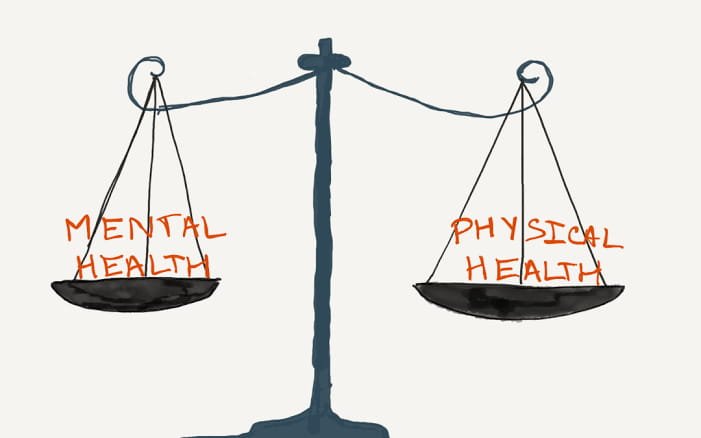
Mental health deserves as much attention as physical health.
Healthy practices include:
- Deep breathing
- Meditation
- Journaling
- Reading
- Spending time in nature
- Talking to supportive friends or family
Even 10–15 minutes of quiet time each day can help reduce stress and improve emotional well-being.
Manage Screen Time
Technology is part of everyday life, but excessive screen time may affect sleep, concentration, and mental health.
Helpful strategies include:
- Turn off unnecessary notifications.
- Schedule phone-free periods.
- Avoid screens before bedtime.
- Spend more time on offline hobbies.
Creating digital boundaries allows your mind to rest.
Get Quality Sleep
Sleep is essential for recovery, memory, immunity, and emotional health.
To improve sleep quality:
- Maintain a regular bedtime.
- Keep your bedroom cool and quiet.
- Avoid heavy meals late at night.
- Reduce caffeine intake during the evening.
- Limit screen exposure before sleeping.
Most adults benefit from 7–9 hours of sleep each night.
Stay Hydrated
Water supports nearly every function in the body.
Adequate hydration helps with:
- Energy production
- Digestion
- Concentration
- Temperature regulation
- Physical performance
Carry a reusable water bottle to remind yourself to drink water throughout the day.
Practice Mindful Eating
Instead of rushing through meals:
- Eat slowly.
- Chew food thoroughly.
- Notice hunger and fullness cues.
- Avoid eating while distracted by television or mobile phones.
Mindful eating often improves digestion and helps prevent overeating.
Organize Your Day
Planning your daily activities can reduce stress and improve productivity.
Simple planning habits include:
- Writing a to-do list
- Prioritizing important tasks
- Scheduling breaks
- Preparing for the next day in advance
Organization helps you stay focused without feeling overwhelmed.
Spend Time with Loved Ones
Strong social relationships contribute significantly to emotional health.
Make time to:
- Have family meals
- Call friends
- Meet loved ones
- Participate in community activities
Meaningful connections provide emotional support and reduce feelings of isolation.
Make Time for Hobbies
Hobbies encourage creativity and relaxation.
Examples include:
- Painting
- Music
- Cooking
- Photography
- Gardening
- Crafting
- Reading
Regular leisure activities help create a healthier balance between work and personal life.
Limit Negative Habits
Improving your routine also means reducing habits that may harm your health.
Try to:
- Avoid smoking
- Limit alcohol consumption
- Reduce excessive sugar intake
- Cut back on processed foods
- Manage stress without unhealthy coping mechanisms
Replacing unhealthy habits gradually is often more sustainable than trying to eliminate them overnight.
Be Flexible
Life doesn’t always go according to plan.
Missing a workout or eating an occasional treat doesn’t mean you’ve failed. Healthy routines should be flexible enough to adapt to busy schedules, travel, or unexpected events.
Consistency over months and years is far more important than perfection.
Build Habits Gradually
One common mistake is trying to change everything at once.
Instead:
- Add one new healthy habit every week.
- Focus on small improvements.
- Celebrate progress.
- Be patient with setbacks.
Small daily actions often become lifelong habits.
Conclusion
Improving your daily routine doesn’t require dramatic changes or expensive wellness programs. Small, consistent habits—such as getting enough sleep, eating balanced meals, staying physically active, managing screen time, practicing mindfulness, and maintaining meaningful relationships—can significantly improve both physical and mental health.
The key is to create a routine that works for your lifestyle and can be maintained over the long term. Rather than aiming for perfection, focus on making gradual improvements that support your overall well-being. With patience and consistency, these everyday habits can help you feel more energetic, productive, resilient, and healthier in every stage of life.
FAQs
1. Why is a daily routine important for health?
A structured routine helps regulate sleep, supports healthy eating, reduces stress, improves productivity, and encourages consistent physical activity, all of which contribute to better physical and mental health.
2. What is the best morning habit to start with?
Simple habits such as waking up at a consistent time, drinking water, stretching, and avoiding immediate phone use can help you begin the day with more energy and focus.
3. How can I improve my mental health through my daily routine?
You can support mental well-being by practicing mindfulness, exercising regularly, getting enough sleep, spending time with loved ones, limiting screen time, and making time for hobbies and relaxation.
4. How much exercise should I include in my routine?
Aim for regular physical activity throughout the week, including both aerobic exercise and muscle-strengthening activities, based on your fitness level and healthcare provider’s advice.
5. How long does it take to build a healthy routine?
The timeline varies for each person. Focus on introducing one or two manageable habits at a time and maintaining them consistently. Sustainable progress is more important than making rapid changes.