 By Akash Sharma
 Khemani Industrial Area is an important industrial and commercial region known for its manufacturing units, warehouses, engineering workshops, logistics businesses, and trading activities. Over the years, the area has developed steadily because of increasing industrial demand, better transportation facilities, and expanding commercial activities.
The industrial area supports a wide range of industries including small-scale manufacturing, engineering businesses, packaging companies, automobile-related operations, storage facilities, and supply chain services. Thousands of workers, traders, transport operators, and business owners are connected with the area every day.
Industrial regions like Khemani Industrial Area play a major role in supporting local economic development and employment generation. Many businesses prefer such industrial locations because they provide industrial infrastructure, better road connectivity, and easy access to nearby markets.
Today, Khemani Industrial Area continues to grow as a developing industrial center and contributes significantly to industrial and commercial activities in the surrounding region.
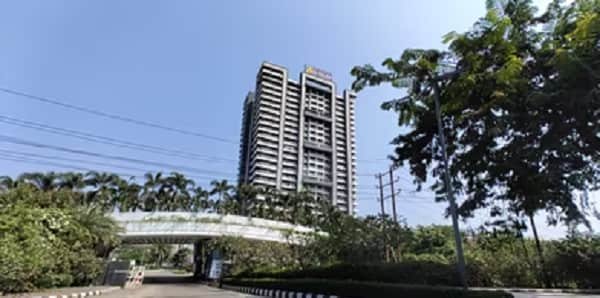
Location of Khemani Industrial Area
Khemani Industrial Area is located in a commercially active region with good connectivity to nearby cities, highways, local markets, and transportation routes.
The industrial area is surrounded by residential colonies, commercial establishments, warehouses, transport facilities, and local business centers. Its location makes it suitable for manufacturing industries and logistics operations.
The region is connected through important roads and transport networks, helping industries transport raw materials and finished products conveniently. Because of this, many industrial and commercial businesses prefer operating in the area.
The industrial zone also benefits from nearby public facilities such as schools, hospitals, banks, petrol pumps, restaurants, and shopping areas.
History and Development
Earlier, the Khemani region mainly consisted of local settlements and small commercial activities. As industrialization increased and nearby cities expanded, the need for organized industrial zones also increased.
Government authorities and industrial development agencies gradually improved industrial infrastructure in the region. Roads, electricity supply, industrial plots, drainage systems, and transport facilities were developed to support industrial growth.
Initially, small workshops and manufacturing units started operating in the area. Over time, engineering companies, warehouses, packaging industries, logistics firms, and automobile-related businesses established operations in the industrial zone.
The industrial area gradually became an important center for small-scale and medium-scale industries. Today, Khemani Industrial Area continues to witness industrial and commercial expansion.
Major Industries in Khemani Industrial Area
Khemani Industrial Area supports several industries and business sectors.
1. Manufacturing Industries
Manufacturing companies producing industrial and consumer products are among the major industries operating in the area.
2. Engineering Workshops
Engineering workshops, machinery repair units, and fabrication businesses contribute significantly to industrial growth.
3. Warehousing and Logistics
Warehouses and logistics firms use the area for storage, transportation, and supply chain operations.
4. Packaging Industries
Packaging companies support manufacturing industries and commercial distribution businesses.
5. Automobile Businesses
Automobile repair workshops, spare parts suppliers, and vehicle service businesses are commonly found in the industrial region.
6. Small and Medium Enterprises
Several small and medium industries operate in sectors like machinery, industrial products, repair services, and commercial supplies.
Commercial Importance
Khemani Industrial Area is not only an industrial zone but also an important commercial center.
The area supports:
- Manufacturing industries
- Engineering workshops
- Warehousing operations
- Logistics services
- Packaging industries
- Automobile businesses
- Commercial supply chains
- Small and medium enterprises
Many businesses use the area as a manufacturing and distribution center for nearby cities and markets.
Its industrial infrastructure and strategic location increase its commercial value significantly.
Connectivity and Transportation
One of the biggest advantages of Khemani Industrial Area is its strong connectivity.
1. Road Connectivity
The industrial area is connected through important roads and highways linking nearby commercial and industrial regions.
Transportation of industrial goods becomes easier because of developed road infrastructure.
2. Railway Connectivity
Nearby railway stations support passenger and freight transportation for industries and workers.
3. Airport Connectivity
The nearest airport supports business travel and cargo movement for industrial companies.
4. Public Transport
Buses, auto-rickshaws, taxis, e-rickshaws, and local transport services are available throughout the region.
Daily commuting becomes convenient for workers, traders, and office employees.
Employment Opportunities
Khemani Industrial Area provides employment opportunities to thousands of people from nearby towns, villages, and cities.
Job opportunities are available in:
- Manufacturing industries
- Engineering workshops
- Warehousing operations
- Packaging companies
- Logistics firms
- Automobile businesses
- Technical maintenance
- Office administration
- Commercial supply businesses
Both skilled professionals and industrial workers find employment opportunities in the area.
The industrial economy supports the livelihood of many families connected with factories, warehouses, workshops, and transport businesses.
Residential and Commercial Development
Industrial growth has also increased residential and commercial development around Khemani Industrial Area.
Nearby regions now include:
- Residential colonies
- Apartments and housing societies
- Local markets and shopping centers
- Restaurants and tea stalls
- Petrol pumps
- Banks and ATMs
- Hospitals and clinics
- Schools and colleges
Many workers and business owners prefer living near the industrial area because it reduces travel time and improves convenience.
Commercial property demand has also increased steadily because of industrial growth.
Daily Life in Khemani Industrial Area
The industrial area remains active throughout the day with factory operations, warehouse activities, office work, and transportation movement.
Tea stalls, roadside food outlets, restaurants, and small shops remain crowded with workers, drivers, traders, transport operators, and office employees.
Trucks, cargo vehicles, delivery vans, and loading vehicles are commonly seen throughout the area. The atmosphere reflects a busy industrial and commercial work culture.
Challenges Faced by the Area
Despite being a growing industrial hub, Khemani Industrial Area also faces several challenges.
1. Traffic Congestion
Heavy movement of trucks and commercial vehicles often creates congestion on nearby roads.
2. Pollution
Industrial activities and transportation contribute to air and noise pollution in some parts of the area.
3. Infrastructure Pressure
Rapid industrial growth has increased pressure on roads, drainage systems, and public utilities.
4. Need for Modernization
Some industries require upgraded technology and modern facilities for better productivity and business growth.
Importance in Regional Economy
Khemani Industrial Area plays an important role in the regional industrial and commercial economy.
The area supports manufacturing industries, engineering businesses, warehouses, packaging companies, logistics operations, and commercial supply chains. Many products manufactured here are supplied to nearby cities and markets.
Its industrial infrastructure and business environment make it valuable for industrial investment and employment generation.
The industrial area also contributes significantly to local economic development.
Future Development
The future of Khemani Industrial Area looks promising because industrial demand and commercial activities continue to increase.
Infrastructure modernization, better roads, improved logistics systems, upgraded industrial facilities, and warehouse expansion projects are expected to strengthen the area further.
The growth of manufacturing industries, logistics businesses, engineering workshops, and commercial operations may increase the importance of Khemani Industrial Area in coming years.
Industrial modernization and urban development projects are also expected to improve business opportunities further.
Conclusion
Khemani Industrial Area is a growing industrial and commercial hub supporting a wide range of economic activities. From manufacturing industries and engineering workshops to warehouses and logistics businesses, the area contributes significantly to industrial growth and employment generation.
Its strategic location, improving connectivity, and expanding industrial infrastructure make it attractive for businesses and investors. Thousands of workers and companies depend on Khemani Industrial Area for employment and commercial opportunities.
Despite challenges like traffic congestion and infrastructure pressure, the industrial area continues to develop steadily. With ongoing modernization and increasing investment, Khemani Industrial Area is expected to remain an important industrial center for many years ahead.
Frequently Asked Questions (FAQs)
Q1. Where is Khemani Industrial Area located?
A: Khemani Industrial Area is located in a commercially active industrial region in India.
Q2. What is Khemani Industrial Area famous for?
A: The area is famous for manufacturing industries, engineering workshops, warehouses, logistics operations, and commercial businesses.
Q3. Which industries operate in Khemani Industrial Area?
A: Manufacturing industries, engineering workshops, warehouses, packaging companies, logistics firms, and automobile businesses operate in the area.
Q4. Is Khemani Industrial Area well connected?
A: Yes, the area has good road, railway, airport, and public transport connectivity.
Q5. Does Khemani Industrial Area provide employment opportunities?
A: Yes, thousands of workers and professionals are employed in factories, warehouses, workshops, and commercial businesses located in the area.
Q6. Why is Khemani Industrial Area important?
A: The area supports industrial production, warehousing operations, logistics services, commercial businesses, and employment generation.
Q7. What are the major challenges faced by the area?
A: Traffic congestion, pollution, infrastructure pressure, and the need for modernization are some of the major challenges.