 By Nishant Pal
 In recent years, health and nutrition trends have shifted from restrictive dieting to building healthier eating habits. One of the latest concepts gaining attention is fibermaxxing—the practice of intentionally increasing dietary fibre intake through whole, plant-based foods. Unlike fad diets that focus on eliminating entire food groups, fibermaxxing encourages adding more nutrient-rich foods such as vegetables, fruits, legumes, whole grains, nuts, and seeds to everyday meals.
One of the biggest reasons for its growing popularity is its potential role in supporting natural glucose management. Fibre can slow the digestion of carbohydrates, helping blood sugar levels rise more gradually after meals. While fibermaxxing is not a treatment for diabetes or other medical conditions, it can be an important part of a balanced diet that supports overall metabolic health.
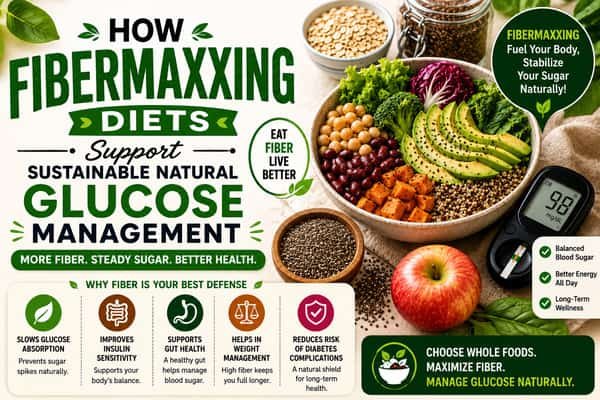
What Is Fibermaxxing?
Fibermaxxing simply means prioritising foods that are naturally high in dietary fibre throughout the day. Rather than counting calories, the focus is on choosing foods that improve nutrition and increase daily fibre intake.
Common fibre-rich foods include:
- Whole grains
- Oats
- Lentils
- Chickpeas
- Kidney beans
- Apples
- Pears
- Berries
- Leafy green vegetables
- Broccoli
- Carrots
- Chia seeds
- Flaxseeds
- Almonds
This approach encourages eating more whole foods instead of relying heavily on processed products.
Why Fibre Matters for Blood Sugar
Dietary fibre, particularly soluble fibre, slows the digestion and absorption of carbohydrates in the digestive system.
As a result:
- Glucose enters the bloodstream more gradually.
- Blood sugar spikes after meals may be less pronounced.
- Energy levels may remain more stable throughout the day.
- Feelings of fullness often last longer.
These effects can support healthier eating habits and better day-to-day glucose management when combined with an overall balanced lifestyle.
Types of Dietary Fibre
Dietary fibre is generally divided into two categories.
Soluble Fibre
Soluble fibre dissolves in water and forms a gel-like substance during digestion.
It is found in foods such as:
- Oats
- Barley
- Apples
- Citrus fruits
- Beans
- Lentils
- Psyllium
This type of fibre is especially associated with supporting healthy blood sugar and cholesterol levels.
Insoluble Fibre
Insoluble fibre adds bulk to stool and supports regular bowel movements.
Good sources include:
- Whole wheat
- Brown rice
- Nuts
- Seeds
- Cauliflower
- Green beans
- Leafy vegetables
Most healthy diets include a combination of both types.
Benefits Beyond Glucose Management
Increasing fibre intake offers several health benefits beyond blood sugar support.
These include:
- Improved digestive health
- Greater feelings of fullness
- Support for healthy cholesterol levels
- Better gut microbiome diversity
- Assistance with healthy weight management
- More consistent bowel habits
Because fibre-rich foods are often packed with vitamins, minerals, and antioxidants, they also contribute to overall nutritional quality.
Practical Ways to Start Fibermaxxing
Fibermaxxing does not require drastic dietary changes. Small adjustments can make a significant difference over time.
Simple strategies include:
- Choose whole-grain bread instead of white bread.
- Replace white rice with brown rice or millets occasionally.
- Add lentils or beans to soups and salads.
- Include vegetables with both lunch and dinner.
- Eat whole fruits instead of fruit juices.
- Sprinkle chia or flaxseeds over yoghurt or oatmeal.
- Snack on roasted chickpeas, nuts, or fresh fruit.
These gradual changes are generally easier to maintain than restrictive eating plans.
Don’t Forget Hydration
As fibre intake increases, adequate water consumption becomes even more important.
Fibre absorbs water during digestion, so drinking enough fluids helps:
- Prevent constipation
- Support healthy digestion
- Improve bowel regularity
- Allow fibre to work effectively
People increasing their fibre intake should do so gradually while maintaining good hydration.
Can Fibermaxxing Help People with Diabetes?
A fibre-rich diet can be a valuable part of diabetes management because it may help reduce rapid increases in blood glucose after meals. However, fibermaxxing is not a substitute for medical treatment, diabetes medications, or personalised nutrition advice.
Individuals with diabetes or prediabetes should work with their healthcare provider or a registered dietitian to develop a meal plan that meets their specific needs.
Common Mistakes to Avoid
Although increasing fibre is generally beneficial, some mistakes can reduce its effectiveness.
These include:
- Increasing fibre too quickly
- Drinking too little water
- Relying mainly on fibre supplements instead of whole foods
- Assuming all “high-fibre” processed foods are healthy
- Ignoring overall dietary balance
Whole foods typically provide additional nutrients that supplements and highly processed products may lack.
Building Balanced Meals
Fibermaxxing works best when meals include a combination of:
- Fibre-rich carbohydrates
- Lean protein
- Healthy fats
- Plenty of vegetables
For example:
- Oatmeal topped with berries and nuts for breakfast
- Lentil salad with vegetables for lunch
- Grilled fish or tofu with brown rice and steamed vegetables for dinner
Balanced meals support steady energy levels and overall nutritional health.
Is Fibermaxxing Right for Everyone?
Most people can benefit from eating more fibre, but individual needs vary.
People with certain digestive conditions, such as inflammatory bowel disease, bowel narrowing, or those recovering from gastrointestinal surgery, may require modified fibre intake. Anyone with ongoing digestive symptoms should seek medical advice before making major dietary changes.
Gradually increasing fibre while monitoring how your body responds is often the most comfortable approach.
Conclusion
Fibermaxxing is a practical, sustainable way to improve overall nutrition by focusing on foods naturally rich in dietary fibre. Rather than restricting foods, this approach encourages adding more vegetables, fruits, legumes, whole grains, nuts, and seeds to everyday meals.
By slowing carbohydrate digestion and supporting steadier blood sugar responses, fibre can play an important role in natural glucose management. It also offers additional benefits, including improved digestive health, increased fullness, support for healthy cholesterol levels, and better gut health.
While fibermaxxing is not a medical treatment for diabetes or other health conditions, incorporating more fibre-rich whole foods into a balanced diet is a positive step toward long-term metabolic health. Combined with regular physical activity, adequate hydration, quality sleep, and professional medical guidance when needed, it can help support a healthier lifestyle for many people.
FAQs
1. What is fibermaxxing?
Fibermaxxing is a nutrition approach that focuses on intentionally increasing dietary fibre intake through whole foods such as fruits, vegetables, legumes, whole grains, nuts, and seeds to support overall health.
2. How does fibre help manage blood sugar?
Fibre, especially soluble fibre, slows the digestion and absorption of carbohydrates, allowing glucose to enter the bloodstream more gradually and helping reduce sharp blood sugar spikes after meals.
3. Can fibermaxxing cure diabetes?
No. Fibermaxxing cannot cure diabetes and should not replace prescribed medications or medical care. It can, however, be part of a balanced eating pattern that supports healthy blood sugar management.
4. What are the best high-fibre foods?
Excellent sources of dietary fibre include oats, lentils, beans, chickpeas, whole grains, apples, berries, broccoli, carrots, chia seeds, flaxseeds, almonds, and leafy green vegetables.
5. Is it safe to increase fibre intake quickly?
It’s generally better to increase fibre gradually while drinking plenty of water. A sudden increase may cause bloating, gas, or digestive discomfort in some people.