 By Nishant Pal
 The Indian monsoon transforms familiar landscapes into something completely different. Dry hills turn green, seasonal streams become waterfalls, lakes fill up, forests appear denser and clouds drift through mountain roads. For travellers who enjoy misty weather, dramatic skies and the smell of rain, June to September can be one of the most rewarding times to explore the country.
A monsoon holiday, however, requires more flexibility than a regular trip. Heavy rainfall can cause landslides, slippery trails, transport delays and temporary closures. The best approach is to choose a comfortable base, avoid an overloaded itinerary and check weather and road advisories before travelling.
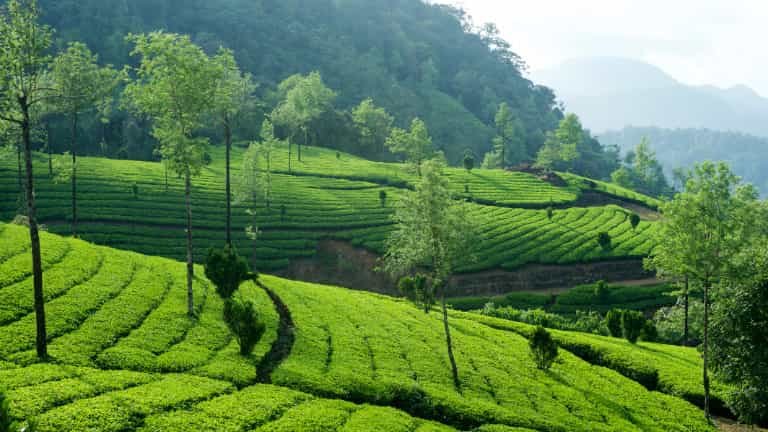
From the Western Ghats and the hills of Meghalaya to Rajasthan’s lake cities, here are ten of the best monsoon destinations in India.
Quick Overview
| Destination | State | Ideal Monsoon Period | Best Known For |
|---|---|---|---|
| Munnar | Kerala | June–September | Tea gardens and misty valleys |
| Coorg | Karnataka | June–September | Coffee estates and waterfalls |
| Cherrapunji | Meghalaya | June–September | Legendary rain and waterfalls |
| Lonavala | Maharashtra | June–September | Green hills and weekend trips |
| Wayanad | Kerala | June–September | Forests and plantation scenery |
| Udaipur | Rajasthan | July–September | Lakes and royal architecture |
| Mahabaleshwar | Maharashtra | June–September | Viewpoints and waterfalls |
| Athirappilly | Kerala | June–September | Powerful waterfall scenery |
| Chikmagalur | Karnataka | June–September | Coffee hills and scenic drives |
| Orchha | Madhya Pradesh | July–September | Heritage beside a rain-fed river |
1. Munnar, Kerala
Munnar becomes especially atmospheric during the monsoon. Rain washes the tea gardens, clouds move across the valleys and small waterfalls appear along the winding roads. Kerala Tourism describes the hill station as being even more beautiful during the rainy season, when its woods and valleys turn intensely green.
Popular places include Mattupetty Dam, Kundala Lake, Echo Point, the Tea Museum and Top Station. However, visibility may be poor on very rainy days, so keep the itinerary flexible.
A plantation resort or homestay is often the best way to enjoy Munnar during the rains. Instead of rushing between viewpoints, spend time watching the weather change over the hills.
2. Coorg, Karnataka
Coorg is known for coffee plantations, spice estates, forested hills and waterfalls. During the monsoon, the region becomes greener and streams flow more strongly. Karnataka Tourism identifies both Coorg and Chikmagalur as excellent rainy-season choices, with Coorg particularly suitable for first-time visitors because of its wider accommodation options and developed tourist facilities.
Places worth visiting include Abbey Falls, Raja’s Seat, Madikeri Fort, Talakaveri and plantation estates.
River rafting may be available when conditions permit, but it should be booked only through authorised operators. Heavy rain can also make estate and forest paths slippery.
3. Cherrapunji, Meghalaya
Cherrapunji, locally known as Sohra, is one of India’s most iconic monsoon destinations. Rain is not merely part of the weather here; it shapes the entire landscape. Waterfalls become powerful, forests deepen in colour and clouds frequently settle over the hills.
Incredible India describes Cherrapunji’s monsoon as legendary, turning roads into flowing rivulets and sending waterfalls down steep cliffs.
Major attractions include Nohkalikai Falls, Seven Sisters Falls, Mawsmai Cave and nearby living root bridges. Some trails can become difficult during heavy rainfall, so wear shoes with good grip and use local guides for longer walks.
4. Lonavala, Maharashtra
Located between Mumbai and Pune, Lonavala is one of India’s most accessible monsoon getaways. The hills become bright green, low clouds cover the valleys and seasonal waterfalls appear across the Sahyadri landscape.
Popular attractions include Tiger Point, Lion’s Point, Karla Caves, Bhaja Caves and nearby forts. Maharashtra Tourism promotes the rainy season as a time when the state’s waterfalls, hills and natural scenery come alive.
Bhushi Dam is well known during the monsoon, but strong water flow and overcrowding can create serious risks. Follow police restrictions and never enter flooded areas or fast-moving streams.
5. Wayanad, Kerala
Wayanad offers forests, plantations, lakes, waterfalls and mountain roads. During the rainy season, its natural surroundings become particularly vibrant, making it ideal for travellers who prefer quiet stays and scenic drives.
Popular attractions include Pookode Lake, Banasura Sagar Dam, Edakkal Caves and Soochipara Falls. Kerala’s southwest monsoon generally runs from June to August and transforms the state into a lush, water-rich landscape.
Some waterfalls, caves and trekking routes may close temporarily during severe weather. Confirm access before leaving your hotel, especially when travelling with children or senior citizens.
6. Udaipur, Rajasthan
Udaipur offers a different monsoon experience from the heavily forested Western Ghats. Rain refreshes the Aravalli Hills, cools the city and adds beauty to its lakes, palaces and gardens.
Lake Pichola, Fateh Sagar Lake, City Palace, Sajjangarh Monsoon Palace and Saheliyon Ki Bari are among the main attractions. The Monsoon Palace is particularly fitting for the season because its elevated position provides wide views over the city and surrounding countryside.
Rainfall is generally less continuous than in Kerala or Meghalaya, making Udaipur suitable for travellers who want monsoon atmosphere without spending the entire trip indoors.
7. Mahabaleshwar, Maharashtra
Mahabaleshwar is known for valleys, viewpoints, forests and waterfalls. Maharashtra Tourism highlights its scenic valleys, waterfalls and broad viewpoints, all of which become more dramatic during the rainy season.
Popular places include Arthur’s Seat, Elephant’s Head Point, Venna Lake, Lingmala Waterfall and Mapro Garden.
Dense fog may reduce visibility, while heavy rain can affect boating and outdoor activities. The best monsoon experience may simply involve a quiet resort stay, short drives and warm local food rather than a packed sightseeing schedule.
8. Athirappilly, Kerala
Athirappilly Waterfalls is among Kerala’s most impressive natural attractions. During the monsoon, the water flow reaches its strongest levels, creating a dramatic sight surrounded by thick vegetation.
Kerala Tourism notes that the grandeur of Athirappilly and nearby Vazhachal Waterfalls is best experienced during the monsoon, when the cascade carries the highest volume of water.
Viewing areas can become wet and slippery. Stay behind safety barriers, wear suitable footwear and avoid attempting to reach restricted river sections. Athirappilly can be visited as a day trip from Kochi or combined with a nearby nature stay.
9. Chikmagalur, Karnataka
Chikmagalur is ideal for travellers who enjoy coffee estates, misty hills and quiet countryside. The monsoon covers the region in deep greenery and creates a peaceful atmosphere around its plantation stays.
Popular places include Mullayanagiri, Baba Budangiri, Hebbe Falls and coffee estates. Karnataka Tourism suggests Chikmagalur for travellers seeking a quieter monsoon trip and more serious trekking opportunities than those typically found in Coorg.
Treks should be avoided during severe rain, poor visibility or official restrictions. A plantation homestay, coffee tour and scenic drive can still provide a satisfying trip when outdoor routes are closed.
10. Orchha, Madhya Pradesh
Orchha is a strong choice for travellers who prefer heritage to hill stations. Its palaces, temples and cenotaphs stand beside the Betwa River, and the rainy season adds greenery and dramatic cloudy skies to the historic setting.
Major attractions include Orchha Fort Complex, Jahangir Mahal, Ram Raja Temple, Chaturbhuj Temple and the riverside chhatris.
The town is compact and can be explored at a relaxed pace. Monsoon weather makes photography particularly rewarding, although stone steps and old pathways may become slippery. Avoid entering the river during strong currents.
Why Monsoon Travel Can Be Special
Rainy-season travel often provides greener landscapes, fewer tourists and lower accommodation prices than peak winter or summer holidays. Waterfalls are more impressive, plantation regions feel fresher and familiar heritage sites appear different under cloudy skies.
The season also encourages slower travel. Instead of moving continuously from one attraction to another, visitors may spend more time at a homestay, café or viewpoint and experience the destination at a more natural pace.
Important Monsoon Travel Safety Tips
Check official weather, road and district advisories every day. Heavy rainfall can cause sudden changes even when the weather appeared safe during booking.
Carry a waterproof jacket, quick-drying clothes, shoes with strong grip, insect repellent, basic medicines and waterproof covers for electronics. Avoid driving unfamiliar mountain roads after dark.
Never enter swollen rivers, waterfalls, flooded roads or dam-overflow areas. Do not stand under unstable cliffs or trees during storms. Trek only on open routes and preferably with a trained local guide.
Keep one buffer day in longer itineraries because trains, flights and road journeys may be delayed.
FAQs
Q1. Which is the best monsoon destination in India?
A. Munnar, Coorg, Cherrapunji, Lonavala and Wayanad are among the strongest options. The right choice depends on whether you prefer plantations, waterfalls, mountains or heavy-rain landscapes.
Q2. Is it safe to visit hill stations during the monsoon?
A. It can be safe with careful planning, but landslides, poor visibility and road closures are possible. Check current advisories and avoid travelling during severe-weather warnings.
Q3. Which monsoon destination is best for couples?
A. Munnar, Coorg, Udaipur, Mahabaleshwar and Chikmagalur offer romantic stays, scenic surroundings and relaxed itineraries.
Q4. Which place receives the most dramatic monsoon rain?
A. Cherrapunji is famous for intense rainfall, waterfalls and cloud-covered landscapes. Travellers should be prepared for heavy and frequent rain.
Q5. What should I pack for a monsoon trip?
A. Pack a light raincoat, umbrella, quick-drying clothes, waterproof footwear, extra socks, insect repellent, medicines, a power bank and waterproof bags for documents and electronics.