 By Akash Sharma
 Dabaspet Industrial Area is one of the fast-developing industrial regions located near Bengaluru in Karnataka. It has gained importance as a strong manufacturing and logistics hub due to its strategic location, industrial infrastructure, and easy connectivity to major highways and cities.
The industrial area supports a wide range of industries such as engineering units, automobile component manufacturing, machine tools, packaging industries, warehousing, logistics, and small-to-medium scale enterprises. Over time, it has become an important destination for companies looking for affordable land near Bengaluru with strong transport connectivity.
Thousands of workers, engineers, transport operators, and business owners depend on this industrial region for employment and business opportunities. With continuous industrial expansion, Dabaspet Industrial Area is emerging as one of the key industrial zones in Karnataka.
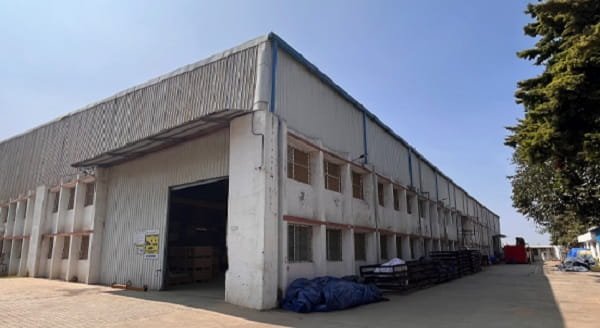
Location of Dabaspet Industrial Area
Dabaspet Industrial Area is located in the Tumakuru district of Karnataka, around 40–50 km from Bengaluru city.
The area is strategically positioned along National Highway 48 (NH-48), which connects Bengaluru with Mumbai. This makes it highly suitable for industries involved in manufacturing, logistics, and transportation.
Nearby important locations include:
- Nelamangala
- Tumakuru city
- Peenya Industrial Area
- Madavara
- Bengaluru outskirts industrial belt
The industrial region is well connected to both Bengaluru urban markets and northern Karnataka industrial corridors.
Because of its location on a major highway, transportation of raw materials and finished goods becomes easy and cost-effective.
History and Development
Earlier, Dabaspet was a small semi-rural area with agricultural activities and limited commercial development. However, as Bengaluru expanded rapidly as an IT and industrial hub, surrounding regions also started developing industrially.
The Karnataka Industrial Areas Development Board (KIADB) played an important role in developing industrial plots, roads, drainage systems, electricity supply, and infrastructure in Dabaspet. Over time, industries began setting up manufacturing units due to availability of land at lower cost compared to Bengaluru city.
Initially, small engineering workshops and manufacturing units started operations. Later, large industries in automobile components, machine tools, steel fabrication, and logistics established themselves in the area.
Today, Dabaspet Industrial Area has become a well-known industrial cluster supporting multiple sectors.
Major Industries in Dabaspet Industrial Area
Dabaspet Industrial Area hosts a variety of industries across different sectors.
1. Engineering and Machine Tool Industry
One of the strongest sectors in Dabaspet is engineering manufacturing. Many companies produce machine tools, industrial equipment, and precision components.
2. Automobile Component Manufacturing
Several auto component manufacturers supply parts to automobile companies in Bengaluru and other parts of India.
3. Steel and Fabrication Units
Steel fabrication, metal processing, and heavy engineering units are widely present in the industrial area.
4. Warehousing and Logistics
Because of its location on NH-48, Dabaspet has become a major hub for warehouses and logistics companies handling goods transportation across South India.
5. Packaging Industry
Packaging units support manufacturing industries by producing cartons, containers, and industrial packaging materials.
6. Small and Medium Enterprises
A large number of MSMEs operate in sectors like industrial goods, spare parts, repair services, and general manufacturing.
Commercial Importance
Dabaspet Industrial Area is an important industrial and commercial hub for Karnataka.
It supports:
- Engineering industries
- Automobile component manufacturing
- Steel fabrication units
- Machine tool industries
- Warehousing and logistics operations
- Packaging industries
- MSME manufacturing units
- Transport and distribution businesses
Many companies use Dabaspet as a production base because it offers affordable land and strong connectivity compared to Bengaluru city.
Its industrial ecosystem supports supply chains across Karnataka, Tamil Nadu, Andhra Pradesh, and Maharashtra.
Connectivity and Transportation
One of the biggest strengths of Dabaspet Industrial Area is its excellent connectivity.
1. Road Connectivity
The industrial area is located on National Highway 48 (NH-48), which connects Bengaluru with Tumakuru and further to Mumbai. This makes transportation of goods highly efficient.
2. Bengaluru Connectivity
The industrial region is well connected to Bengaluru city through highways and outer ring road networks, allowing easy access to urban markets and IT hubs.
3. Railway Connectivity
Nearby railway stations in Tumakuru and Bengaluru support freight and passenger transportation.
4. Airport Connectivity
Kempegowda International Airport is located within reachable distance and supports export-oriented businesses and corporate travel.
5. Public Transport
BMTC buses, private transport services, taxis, and shared vehicles are widely available for daily commuting.
Employment Opportunities
Dabaspet Industrial Area provides employment to thousands of people from Karnataka and nearby states.
Job opportunities are available in:
- Engineering and machine tool industries
- Automobile component manufacturing
- Steel fabrication units
- Warehousing and logistics companies
- Packaging industries
- MSME manufacturing units
- Transport and supply chain services
- Office administration and technical roles
Both skilled engineers and industrial workers find job opportunities in the region.
The industrial area plays a major role in supporting livelihoods and local economic growth.
Residential and Commercial Development
With increasing industrial activity, residential and commercial development around Dabaspet has also grown.
Nearby developments include:
- Worker housing colonies
- Residential layouts and apartments
- Small commercial shops and markets
- Restaurants and roadside eateries
- Petrol pumps and service stations
- Schools and colleges
- Clinics and healthcare centers
- Banks and ATMs
Many workers prefer living near the industrial area or nearby towns like Nelamangala and Tumakuru due to better affordability and convenience.
Real estate demand is gradually increasing because of industrial expansion.
Daily Life in Dabaspet Industrial Area
The industrial area remains active throughout the day.
Morning hours are busy with trucks transporting raw materials. Daytime includes production activities, machine operations, and office work. Evenings see heavy logistics movement and distribution activities.
Local food stalls, tea shops, and restaurants are always active with workers, drivers, and business professionals.
The area reflects a typical industrial lifestyle where manufacturing and logistics operate continuously.
Challenges Faced by the Area
Despite strong growth, Dabaspet Industrial Area also faces several challenges:
1. Infrastructure Expansion Needs
As industries grow, there is a need for better roads, drainage systems, and utilities.
2. Traffic Movement
Heavy truck movement sometimes leads to congestion on highways and internal roads.
3. Water and Power Demand
Increasing industries put pressure on water supply and electricity infrastructure.
4. Environmental Concerns
Industrial activities and transportation contribute to pollution in some parts of the region.
Importance in Karnataka’s Economy
Dabaspet Industrial Area plays an important role in Karnataka’s industrial development.
It supports engineering manufacturing, automobile supply chains, logistics operations, and MSME growth. Its proximity to Bengaluru gives it strategic importance for industries that require access to technology, talent, and markets.
The industrial area also supports exports and interstate trade through strong highway connectivity.
With continuous industrial expansion, it is becoming an important part of Karnataka’s manufacturing ecosystem.
Future Development
The future of Dabaspet Industrial Area looks highly promising.
Expected developments include:
- Expansion of industrial estates
- Improved highway infrastructure
- Growth in logistics and warehousing hubs
- Increased automobile and engineering investments
- Smart industrial infrastructure development
- Better utilities and environmental management
With Bengaluru expanding as a major global industrial and IT hub, surrounding industrial zones like Dabaspet will continue to grow rapidly.
Conclusion
Dabaspet Industrial Area is one of the fastest-growing industrial zones near Bengaluru. With strong engineering industries, automobile component manufacturing, logistics hubs, and MSME units, it plays a major role in Karnataka’s industrial development.
Its excellent connectivity, affordable industrial land, and proximity to Bengaluru make it highly attractive for investors and industries. Despite challenges like infrastructure pressure and traffic, the region continues to grow steadily.
With ongoing development and rising industrial demand, Dabaspet Industrial Area is expected to become one of the most important industrial corridors in Karnataka in the coming years.
Frequently Asked Questions (FAQs)
Q1. Where is Dabaspet Industrial Area located?
A: It is located in Tumakuru district near Bengaluru, Karnataka.
Q2. What is Dabaspet Industrial Area famous for?
A: It is famous for engineering industries, machine tools, automobile components, warehousing, and logistics.
Q3. Which industries operate in Dabaspet Industrial Area?
A: Engineering, automobile components, steel fabrication, packaging, logistics, and MSME units operate here.
Q4. Is Dabaspet Industrial Area well connected?
A: Yes, it is well connected by NH-48, railways, and Bengaluru airport.
Q5. Which airport is nearest to Dabaspet Industrial Area?
A: Kempegowda International Airport is the nearest major airport.
Q6. Does Dabaspet Industrial Area provide employment?
A: Yes, thousands of workers are employed in industries, logistics, and manufacturing units.
Q7. Why is Dabaspet Industrial Area important for Karnataka?
A: It supports manufacturing, engineering industries, logistics, and contributes to Karnataka’s industrial growth.