 By Nishant Pal
 A kitchen sink is one of the most frequently used fixtures in any home. From washing vegetables and cleaning utensils to preparing meals, it plays a vital role in everyday kitchen activities. When choosing a sink, homeowners often compare quartz sinks and stainless steel sinks, as both are durable, stylish, and widely available.
While stainless steel sinks have been a popular choice for decades due to their affordability and durability, quartz composite sinks have gained popularity for their premium appearance, scratch resistance, and quieter operation.
So, which one is better? The answer depends on your budget, kitchen style, maintenance preferences, and daily usage. This guide compares quartz sinks and stainless steel sinks to help you make the right choice.
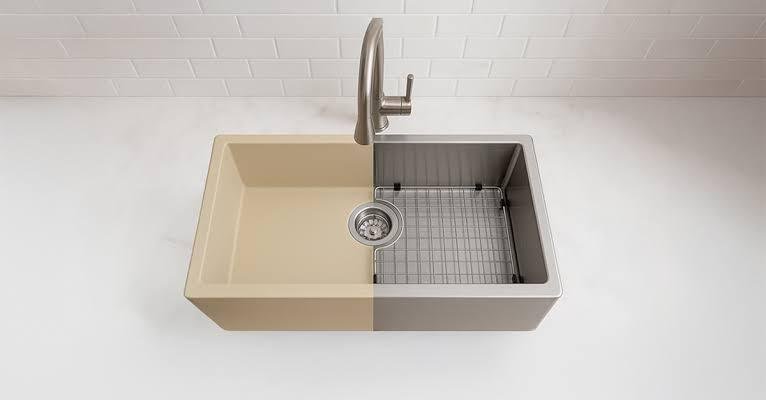
Quartz Sink vs Stainless Steel: Quick Comparison
| Feature | Quartz Sink | Stainless Steel Sink |
|---|---|---|
| Material | Quartz stone mixed with acrylic resin | Stainless steel alloy |
| Appearance | Premium matte finish | Metallic finish |
| Durability | Excellent | Excellent |
| Scratch Resistance | Very High | Moderate |
| Heat Resistance | High | Very High |
| Noise Level | Quiet | Can be noisy |
| Maintenance | Easy | Very Easy |
| Cost | Higher | More affordable |
| Best For | Modern luxury kitchens | Residential and commercial kitchens |
What Is a Quartz Sink?
A quartz sink, often called a quartz composite sink, is manufactured using approximately 80–90% natural quartz combined with acrylic resins and pigments. This creates a strong, non-porous surface that is resistant to scratches, stains, and everyday wear.
Quartz sinks are available in a variety of colours, including black, grey, white, beige, and brown, making them an excellent match for modern kitchen interiors.
Advantages of Quartz Sinks
- Elegant and premium appearance
- Highly scratch-resistant
- Resistant to stains
- Non-porous surface prevents bacterial growth
- Quiet during use
- Available in multiple colours
- Resistant to fading
Disadvantages of Quartz Sinks
- More expensive than stainless steel
- Heavier and may require stronger cabinet support
- Can chip if extremely heavy objects are dropped
- Hard water stains may be visible if not cleaned regularly
Quartz sinks are ideal for homeowners seeking a luxurious kitchen design with minimal everyday wear.
What Is a Stainless Steel Sink?
Stainless steel sinks are made from chromium and nickel alloy steel. They have been the standard choice in homes and commercial kitchens because they are durable, lightweight, hygienic, and easy to maintain.
The quality of a stainless steel sink is usually determined by its gauge—the lower the gauge number, the thicker and stronger the sink.
Advantages of Stainless Steel Sinks
- Affordable
- Lightweight
- Resistant to rust and corrosion
- Handles high temperatures
- Easy to clean
- Hygienic surface
- Long lifespan
Disadvantages of Stainless Steel Sinks
- Can scratch over time
- Water spots are more visible
- May produce noise while washing utensils
- Lower-quality sinks may dent under heavy impact
Despite these drawbacks, stainless steel remains one of the most practical choices for everyday kitchens.
Quartz Sink vs Stainless Steel: Key Differences
1. Appearance
Quartz sinks have a premium matte finish that blends beautifully with stone countertops and modern kitchen designs.
Stainless steel sinks offer a sleek metallic appearance that suits contemporary and industrial-style kitchens.
Winner: Quartz Sink
2. Durability
Both sink types are highly durable.
Quartz is highly resistant to scratches and stains, while stainless steel resists dents, corrosion, and daily wear.
Winner: Tie
3. Scratch Resistance
Quartz composite sinks are more resistant to scratches from pots, pans, and kitchen utensils.
Stainless steel develops fine scratches over time, especially with regular use.
Winner: Quartz Sink
4. Heat Resistance
Stainless steel can tolerate extremely high temperatures without damage.
Quartz sinks also withstand heat well, but placing very hot cookware directly into the sink may cause thermal stress over time.
Winner: Stainless Steel
5. Noise
Quartz naturally absorbs sound, making it much quieter during dishwashing.
Stainless steel sinks may produce noticeable noise when utensils or running water hit the surface, although many premium models include sound-deadening pads.
Winner: Quartz Sink
6. Price
Stainless steel sinks are generally much more affordable and are available in a wide range of price points.
Quartz sinks are positioned as a premium product.
Winner: Stainless Steel
Which Sink Is Better for Different Kitchens?
Modern Luxury Kitchens
Quartz sinks are an excellent choice because of their elegant appearance and wide range of colours that complement premium countertops.
Budget-Friendly Kitchens
Stainless steel sinks provide outstanding value, combining durability, hygiene, and affordability.
Busy Family Kitchens
Both options work well. Quartz offers better scratch resistance and quieter operation, while stainless steel handles heavy daily use with ease.
Commercial Kitchens
Stainless steel is the preferred choice because it withstands heavy use, high temperatures, and frequent cleaning.
Minimalist Kitchens
Quartz sinks create a seamless, sophisticated look that pairs beautifully with modern cabinetry and stone worktops.
Factors to Consider Before Buying
Before choosing a kitchen sink, consider:
- Your budget
- Kitchen design
- Countertop material
- Daily usage
- Maintenance preferences
- Heat resistance requirements
- Sink size and depth
- Installation type (top-mount or undermount)
Selecting the right sink ensures long-term satisfaction and complements your overall kitchen design.
Quartz or Stainless Steel: Which Should You Choose?
Choose a quartz sink if you:
- Prefer a premium appearance
- Want better scratch resistance
- Like a quieter kitchen environment
- Are designing a modern kitchen
- Don’t mind paying a higher price
Choose a stainless steel sink if you:
- Have a limited budget
- Need maximum heat resistance
- Prefer lightweight installation
- Want a low-maintenance option
- Need a sink for heavy daily use
Both sink materials offer excellent performance, but the best choice depends on your priorities.
Conclusion
Quartz and stainless steel sinks are both outstanding choices for modern kitchens. Quartz sinks stand out for their elegant appearance, superior scratch resistance, and quiet operation, making them a popular option for homeowners seeking a premium finish.
Stainless steel sinks, however, continue to dominate residential and commercial kitchens because of their affordability, exceptional durability, heat resistance, and ease of maintenance. They provide excellent long-term value and suit almost every kitchen style.
If aesthetics, noise reduction, and a luxurious look are your priorities, a quartz sink is an excellent investment. If you’re looking for a durable, practical, and budget-friendly option that can withstand years of daily use, a stainless steel sink remains the better overall choice for most households.
FAQs
1. Which is better, a quartz sink or a stainless steel sink?
Quartz sinks are better for premium aesthetics, scratch resistance, and quieter operation. Stainless steel sinks are better for affordability, heat resistance, and heavy daily use.
2. Are quartz sinks durable?
Yes. Quartz composite sinks are highly durable, resistant to scratches, stains, and everyday wear. With proper care, they can last for many years.
3. Do stainless steel sinks scratch easily?
Over time, stainless steel sinks can develop fine surface scratches, especially with regular use. However, these scratches are usually cosmetic and do not affect performance.
4. Which sink is easier to maintain?
Both are easy to maintain. Stainless steel requires regular wiping to prevent water spots, while quartz sinks should be cleaned with mild soap and a soft cloth to preserve their finish.
5. Which sink is best for a modern kitchen?
Quartz sinks are often preferred for modern kitchens because of their stylish matte finish, colour options, and ability to complement stone countertops and contemporary cabinetry.