 By Nishant Pal
 If you’re renovating your kitchen or bathroom, you’ve probably come across the terms faucet and tap. Many people wonder whether they are different products and which one is the better choice. The simple answer is that a faucet and a tap are essentially the same plumbing fixture. The difference lies mainly in regional language rather than design or functionality.
The word “tap” is commonly used in India, the UK, Australia, and many Commonwealth countries, while “faucet” is the preferred term in the United States and Canada. Whether you buy a faucet or a tap, both control the flow of water from a plumbing system into a sink, wash basin, bathtub, or kitchen counter.
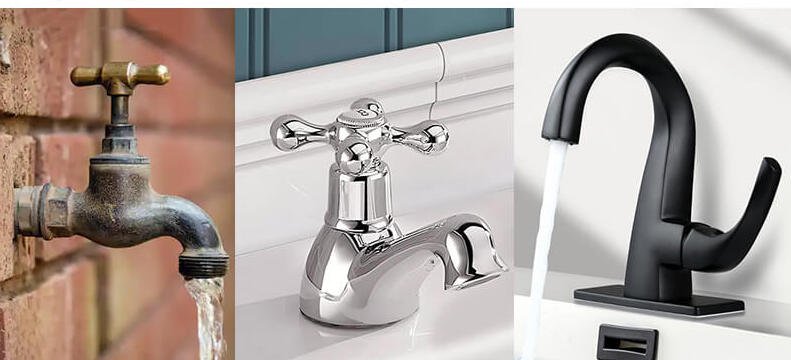
This guide explains the differences, similarities, available types, materials, and how to choose the best option for your home.
Faucet vs Tap: Quick Comparison
| Feature | Faucet | Tap |
|---|---|---|
| Meaning | Plumbing fixture that controls water flow | Plumbing fixture that controls water flow |
| Common Usage | USA and Canada | India, UK, Australia |
| Function | Dispenses hot and cold water | Dispenses hot and cold water |
| Installation | Kitchen, bathroom, utility area | Kitchen, bathroom, utility area |
| Material Options | Brass, stainless steel, zinc alloy | Brass, stainless steel, zinc alloy |
| Design Options | Wide variety | Wide variety |
| Durability | Depends on material | Depends on material |
What Is a Faucet?
A faucet is a plumbing fixture that regulates the flow of water. It may include one or two handles for controlling water temperature and pressure or a single lever that combines both functions.
Modern faucets often feature advanced technologies such as:
- Water-saving aerators
- Pull-out spray heads
- Touchless sensors
- Pull-down spouts
- Temperature control cartridges
- Motion sensors
The term “faucet” is most commonly used in North America.
Advantages of Modern Faucets
- Stylish designs
- Smooth water control
- Water-saving technology
- Easy operation
- Available in premium finishes
- Suitable for modern kitchens and bathrooms
What Is a Tap?
A tap performs exactly the same function as a faucet. It controls the release of water from a plumbing system through a spout.
In India, the word “tap” is used almost universally for household plumbing fixtures.
Common types include:
- Pillar taps
- Bib taps
- Mixer taps
- Wall-mounted taps
- Angle valves
- Sensor taps
Today’s taps are available in numerous styles ranging from traditional designs to sleek contemporary models.
Advantages of Modern Taps
- Easy to use
- Durable
- Affordable
- Wide range of models
- Suitable for residential and commercial use
- Available in multiple finishes
Faucet vs Tap: Is There Any Real Difference?
Technically, there is no functional difference.
Both perform the same task:
- Control water flow
- Mix hot and cold water (where applicable)
- Deliver water safely
- Connect to household plumbing
The only significant distinction is terminology.
In Different Countries
| Country | Common Term |
|---|---|
| India | Tap |
| United Kingdom | Tap |
| Australia | Tap |
| United States | Faucet |
| Canada | Faucet |
Manufacturers often use both words on product packaging to make them easier to identify in international markets.
Types Available
Whether referred to as taps or faucets, the following types are commonly available.
1. Pillar Tap
Suitable for wash basins and bathrooms where hot and cold water have separate outlets.
2. Mixer Tap
Combines hot and cold water into a single spout with one or two handles.
3. Kitchen Sink Faucet
Usually features a taller spout and may include a pull-out or pull-down spray for easier cleaning.
4. Wall-Mounted Tap
Installed directly on the wall to create a clean and modern appearance.
5. Sensor Faucet
Uses motion sensors to activate water flow automatically, improving hygiene and reducing water wastage.
Which Material Is Best?
The quality of a faucet or tap depends more on its material than its name.
Brass
- Highly durable
- Corrosion resistant
- Long lifespan
- Premium quality
Stainless Steel
- Rust resistant
- Hygienic
- Easy to maintain
- Modern appearance
Zinc Alloy
- Budget-friendly
- Lightweight
- Suitable for moderate use
Plastic (ABS)
- Affordable
- Lightweight
- Common in utility areas
- Shorter lifespan than metal options
For most homes, brass and stainless steel are considered the best choices due to their durability and reliability.
Which One Should You Choose?
Choose a Faucet If:
- You’re purchasing products from American brands.
- You prefer modern terminology.
- You’re looking for advanced features such as touchless operation or pull-down sprayers.
Choose a Tap If:
- You’re shopping in India or the UK.
- You’re familiar with local plumbing terminology.
- You’re replacing an existing household tap.
In reality, you may be comparing identical products labelled with different names.
Factors to Consider Before Buying
Instead of focusing on the name, consider these important factors:
- Material quality
- Water pressure compatibility
- Installation type
- Finish (chrome, matte black, brushed nickel, etc.)
- Warranty
- Ease of cleaning
- Spare parts availability
- Water-saving features
Choosing a high-quality product from a reputable manufacturer will have a much greater impact on performance than whether it is called a faucet or a tap.
Faucet or Tap: Which Is Better?
The truth is that neither is inherently better because they are the same plumbing fixture.
The better choice depends on:
- Build quality
- Material
- Design
- Brand reputation
- Water efficiency
- Installation quality
A premium brass mixer tap sold in India may be identical to a premium brass faucet sold in the United States.
Conclusion
The debate between a faucet and a tap is largely a matter of language rather than functionality. Both terms describe the same essential plumbing fixture used to control the flow of water in kitchens, bathrooms, and utility areas.
When choosing one for your home, pay attention to the material, finish, installation type, and water-saving features instead of the terminology. High-quality brass or stainless steel models offer excellent durability, smooth operation, and long-term reliability.
Whether the product is labelled as a tap or a faucet, selecting a well-built model that suits your plumbing system and complements your interior design will ensure years of dependable performance.
FAQs
1. Is a faucet the same as a tap?
Yes. A faucet and a tap are the same plumbing fixture. The difference is mainly regional terminology, with “faucet” commonly used in North America and “tap” used in India, the UK, and Australia.
2. Which is better, a faucet or a tap?
Neither is better because they perform the same function. The quality depends on the material, design, brand, and installation rather than the name.
3. What is the best material for a kitchen faucet or tap?
Brass and stainless steel are the most popular choices because they are durable, corrosion-resistant, hygienic, and suitable for long-term use.
4. Are mixer taps and mixer faucets different?
No. They are the same product. Both mix hot and cold water through a single spout using one or two controls.
5. Which type is best for modern homes?
Single-lever mixer taps or faucets made from brass or stainless steel are among the best options for modern homes due to their ease of use, stylish appearance, and water-efficient designs.