 By Nishant Pal
 Every parent wants their child to grow into a responsible, confident, and independent adult. While academic learning and extracurricular activities play an important role, everyday household chores also teach valuable life skills. Giving children age-appropriate responsibilities helps them understand teamwork, develop practical abilities, and build confidence from an early age.
Many parents hesitate to assign chores, worrying that children are too young or that completing tasks themselves is quicker. However, involving children in simple household activities can encourage responsibility and create positive family habits. The key is to match the task to the child’s age, abilities, and maturity rather than expecting perfection.
This guide explains when children can begin helping around the house, suitable chores for different age groups, and tips for making chores a positive learning experience.
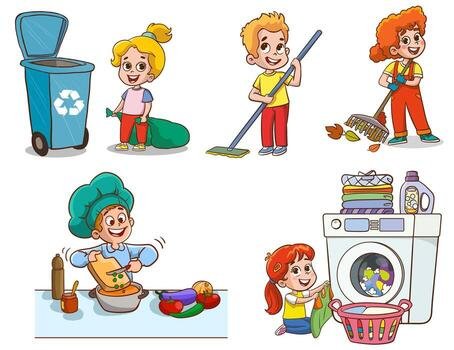
Why Household Chores Matter
Household chores are about much more than keeping the home tidy. They teach children important life skills that they will use well into adulthood.
Benefits include:
- Building responsibility
- Encouraging independence
- Developing time management
- Improving problem-solving skills
- Promoting teamwork
- Increasing self-confidence
- Teaching respect for shared spaces
- Preparing children for adult life
When children contribute to household routines, they often feel like valued members of the family.
When Should Children Start Doing Chores?
Children can begin participating in simple household tasks as early as 2 or 3 years old, provided the activities are safe and supervised.
At this stage, chores are less about completing tasks perfectly and more about encouraging participation. As children grow older, responsibilities can gradually increase based on their physical abilities and understanding.
The goal is to make helping around the house a normal part of family life rather than introducing chores only when children become teenagers.
Age-Appropriate Chores
Ages 2–3 Years
Toddlers enjoy copying adults and can participate in simple tasks.
Suitable chores include:
- Putting toys into storage baskets
- Placing books on shelves
- Throwing tissues into the bin
- Helping wipe small spills with assistance
- Carrying lightweight laundry items
- Putting shoes in the correct place
Keep tasks short, fun, and encouraging.
Ages 4–5 Years
Preschool children develop better coordination and can handle slightly more responsibility.
Suitable chores include:
- Making their bed with help
- Feeding pets under supervision
- Watering indoor plants
- Setting the dining table
- Sorting laundry by colour
- Organising school bags
Praise effort rather than expecting perfect results.
Ages 6–8 Years
Primary school children can follow instructions independently and begin completing regular household tasks.
Appropriate chores include:
- Folding towels
- Sweeping small areas
- Clearing the dining table
- Packing school lunches with guidance
- Emptying small waste bins
- Helping wash vegetables
- Organising their study area
At this age, children begin understanding that household responsibilities are shared.
Ages 9–12 Years
Older children can take on more complex responsibilities.
Examples include:
- Loading and unloading the dishwasher
- Vacuuming rooms
- Washing dishes
- Preparing simple snacks
- Folding and putting away laundry
- Helping with grocery shopping
- Walking pets where appropriate
These tasks encourage independence while still allowing parents to provide guidance.
Teenagers
Teenagers are capable of managing many everyday household responsibilities.
Suitable chores include:
- Cooking simple meals
- Cleaning bathrooms
- Doing laundry independently
- Mowing the lawn (where safe and appropriate)
- Washing the family car
- Managing their own bedroom
- Assisting with younger siblings under supervision
- Planning part of the weekly shopping list
These responsibilities prepare teenagers for independent living in the future.
Tips for Introducing Chores
Start Small
Introduce one or two simple tasks before adding more responsibilities.
Children are more likely to cooperate when expectations are manageable.
Be Consistent
Assign regular chores rather than occasional tasks.
Consistency helps children understand that contributing to the household is a normal family responsibility.
Teach Before Expecting
Demonstrate how to complete each chore properly before asking children to do it independently.
Patience during the learning process builds confidence.
Focus on Effort
Young children rarely complete chores perfectly.
Instead of criticising mistakes, acknowledge their effort and gently guide improvements.
Positive reinforcement encourages long-term participation.
Make It Fun
Turning chores into games or family activities can increase motivation.
Ideas include:
- Playing music while cleaning
- Using timers for friendly challenges
- Creating colourful chore charts
- Working together as a family
A positive atmosphere makes children more willing to help.
Should Children Be Paid for Chores?
There is no single approach that works for every family.
Some parents choose to:
- Treat everyday chores as part of family responsibilities.
- Offer pocket money for additional or optional tasks.
- Reward consistency through privileges rather than money.
Whichever approach you choose, it’s helpful for children to understand that contributing to the household is part of living together as a family.
Common Mistakes to Avoid
Parents can make chores more successful by avoiding these common mistakes:
- Assigning tasks that are too difficult.
- Expecting perfect results immediately.
- Criticising instead of teaching.
- Comparing siblings.
- Using chores solely as punishment.
- Frequently taking over because it’s faster.
Patience and encouragement are more effective than perfection.
Building Lifelong Habits
Household responsibilities teach children lessons that extend far beyond cleaning or organising.
They learn:
- Accountability
- Cooperation
- Independence
- Planning
- Respect for others
- Pride in completing tasks
These habits often carry into school, work, and future family life.
Parents also model valuable behaviours by showing that everyone contributes to maintaining the home.
Conclusion
Delegating age-appropriate household chores is one of the simplest ways to help children develop responsibility, confidence, and practical life skills. Starting with small, manageable tasks in the toddler years and gradually increasing responsibilities as children grow allows them to learn through experience rather than pressure.
The goal is not to create perfect cleaners but to raise capable individuals who understand the importance of contributing to their family and community. By offering guidance, encouragement, and realistic expectations, parents can turn everyday chores into valuable learning opportunities that benefit children for years to come.
FAQs
1. At what age should children start doing household chores?
Children can begin helping with simple, supervised tasks around 2–3 years of age, such as putting away toys or placing books on a shelf. Responsibilities can gradually increase as they grow.
2. What are suitable chores for a 5-year-old?
A 5-year-old can help make their bed with assistance, water plants, feed pets under supervision, set the table, sort laundry, and tidy up toys.
3. Should children be paid for doing chores?
It depends on family preferences. Many parents consider regular chores part of family responsibilities, while some offer allowances or rewards for additional tasks beyond everyday expectations.
4. How do chores benefit children?
Household chores help children develop responsibility, independence, confidence, teamwork, time management, and practical life skills that are useful throughout adulthood.
5. What if my child refuses to do chores?
Stay calm and consistent. Choose age-appropriate tasks, explain why they matter, involve your child in choosing chores when possible, and praise effort rather than focusing only on the final result. Avoid using chores solely as a punishment, as this can create negative associations.