 By Nishant Pal
 Choosing the right television shows for toddlers has become a growing concern for many parents. While screens can provide entertainment and educational value, not all children’s programs are designed in the same way. Many modern shows feature rapid scene changes, loud sound effects, bright flashing colours, and constant action, which can be overwhelming for some young children.
This has led many families to look for low stimulation shows—programs with gentle pacing, calming visuals, simple storytelling, and age-appropriate learning. These shows are designed to support language development, creativity, emotional understanding, and curiosity without overwhelming a toddler’s developing brain.
It’s important to remember that screen time should complement, not replace, activities such as outdoor play, reading, and family interaction. When used in moderation, carefully selected low stimulation shows can become a positive part of a balanced daily routine.
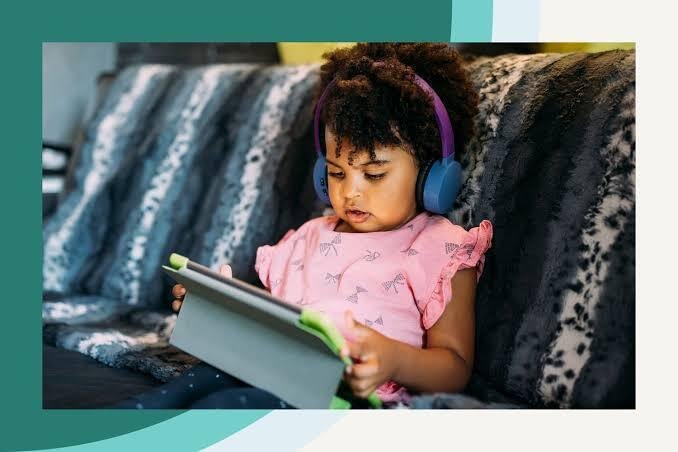
What Are Low Stimulation Shows?
Low stimulation shows are children’s programs that avoid excessive sensory input. They generally feature:
- Slow-paced storytelling
- Soft background music
- Gentle voice narration
- Minimal flashing lights
- Simple animation
- Positive social interactions
- Educational themes
- Predictable storylines
These qualities make them easier for toddlers to follow and may encourage calm viewing rather than overstimulation.
Benefits of Low Stimulation Shows
When chosen thoughtfully and watched in moderation, these programs can offer several developmental benefits.
1. Supports Language Development
Many gentle educational shows introduce new vocabulary through repetition, songs, and simple conversations.
Toddlers often enjoy repeating words and phrases, helping build early communication skills.
2. Encourages Emotional Learning
Low stimulation programs frequently explore emotions such as kindness, sharing, patience, and empathy.
Watching characters solve everyday problems calmly can help children understand and express their own feelings.
3. Improves Attention
Because these shows move at a slower pace, toddlers have more time to observe, process, and understand what is happening.
This encourages active engagement rather than simply reacting to constant visual stimulation.
4. Creates a Calm Viewing Experience
Gentle music, predictable routines, and slower scene transitions can help create a more relaxing atmosphere, particularly during quiet times of the day.
Best Low Stimulation Shows for Toddlers
1. Bluey
Although enjoyable for all ages, Bluey uses relatable family stories, imaginative play, and gentle humour to teach valuable life lessons.
Children learn about creativity, friendship, and problem-solving through everyday family experiences.
2. Daniel Tiger’s Neighborhood
Inspired by the classic Mister Rogers’ Neighborhood, this show focuses on emotional development, kindness, routines, and social skills.
Simple songs help toddlers remember important lessons about sharing, patience, and managing feelings.
3. Puffin Rock
This beautifully animated series follows two young puffins exploring nature on a peaceful island.
Its calming narration and slow pace make it one of the most relaxing children’s shows available.
4. Trash Truck
This gentle animated series celebrates friendship, imagination, and outdoor adventures.
The stories are quiet, heartwarming, and easy for toddlers to follow.
5. Guess How Much I Love You
Based on the beloved children’s books, this series explores nature, friendship, curiosity, and family relationships through calm storytelling.
6. Sesame Street
For decades, Sesame Street has introduced preschool children to letters, numbers, emotions, and social skills through educational stories and memorable characters.
While some segments are more energetic than others, many episodes remain suitable for young viewers.
7. Sarah & Duck
This charming British animated series follows Sarah and her duck companion through imaginative yet peaceful adventures.
Its gentle humour and slow pacing appeal to younger children.
8. Tumble Leaf
This stop-motion series encourages curiosity, exploration, and simple scientific thinking through everyday discoveries.
Children learn through observation rather than fast-paced action.
What Makes a Good Toddler Show?
When choosing programs for young children, parents should look beyond colourful animation and consider the overall viewing experience.
Good toddler shows often include:
- Calm background music
- Age-appropriate language
- Positive role models
- Educational content
- Simple storylines
- Limited advertising
- Respectful problem-solving
- Realistic emotions
These features can make screen time more meaningful and enjoyable.
Tips for Healthy Screen Time
The quality of screen time matters just as much as the quantity.
Parents can make viewing more beneficial by following a few simple practices:
- Watch together whenever possible.
- Talk about the story after the episode.
- Encourage children to sing along or answer questions.
- Limit viewing before bedtime.
- Balance screen time with outdoor play and reading.
- Choose one or two episodes instead of continuous viewing.
Watching together also gives parents opportunities to reinforce lessons introduced in the program.
Activities to Continue the Learning
Many low stimulation shows inspire activities that extend learning beyond the screen.
For example:
- Draw favourite characters.
- Read books on similar themes.
- Play pretend games.
- Go on a nature walk.
- Sing songs from the show.
- Build with blocks.
- Practice counting or colours introduced in the episode.
These activities help children apply what they’ve learned in real-life situations.
Finding the Right Balance
While educational television can support learning, toddlers benefit most from direct interaction with caregivers.
Talking, reading, singing, imaginative play, and exploring outdoors remain some of the most important ways young children develop language, social skills, and problem-solving abilities.
Screens work best when they supplement these experiences rather than replace them.
Every child is different. Some toddlers may enjoy quiet educational shows, while others prefer books or creative play. Parents can observe how their child responds and choose content that supports their individual needs.
Conclusion
Low stimulation shows provide a calmer alternative to fast-paced children’s programming by focusing on gentle storytelling, meaningful learning, and emotional development. Programs such as Bluey, Daniel Tiger’s Neighborhood, Puffin Rock, Trash Truck, Guess How Much I Love You, Sesame Street, Sarah & Duck, and Tumble Leaf offer positive messages while maintaining a soothing pace suitable for growing toddlers.
When paired with reading, outdoor play, creative activities, and family interaction, these shows can become a valuable part of a balanced childhood. The goal is not simply to reduce screen time but to make the time children do spend watching television as enriching and age-appropriate as possible.
FAQs
1. What are low stimulation shows for toddlers?
Low stimulation shows are children’s programs with gentle pacing, calm visuals, simple storylines, soft music, and educational content that avoid excessive flashing lights or rapid scene changes.
2. Are low stimulation shows better for toddlers?
Many parents and child development experts prefer calm, age-appropriate programming because it can be easier for young children to follow. However, overall screen time should still be limited and balanced with active play, reading, and family interaction.
3. Which show is best for emotional learning?
Daniel Tiger’s Neighborhood is widely appreciated for teaching emotional regulation, kindness, sharing, patience, and everyday social skills through simple songs and stories.
4. Can toddlers learn from educational TV shows?
Yes. Carefully selected educational programs can support language development, early learning, and social skills, especially when parents watch with their children and discuss what they see.
5. How much screen time is appropriate for toddlers?
Recommendations vary by age and individual circumstances. Many health organizations encourage limiting recreational screen time for toddlers and prioritizing high-quality content viewed together with a caregiver whenever possible.