 By Nishant Pal
 Choosing the right plumbing material is essential for the durability, safety, and efficiency of your home’s water supply system. Among the traditional metal plumbing materials, brass and copper are two of the most trusted options. Both have been used for decades because of their strength, corrosion resistance, and long service life.
However, they are not identical. Copper is commonly used for water supply pipes, while brass is widely used for plumbing fittings, valves, taps, and connectors. Understanding their differences can help you select the best material for your plumbing project.
In this guide, we’ll compare brass and copper plumbing based on durability, corrosion resistance, installation, cost, maintenance, and ideal applications.
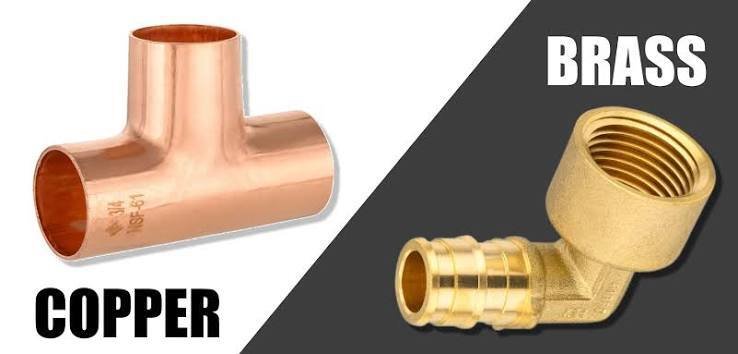
Brass vs Copper Plumbing: Quick Comparison
| Feature | Brass | Copper |
|---|---|---|
| Material | Alloy of copper and zinc | Pure or nearly pure copper |
| Durability | Excellent | Excellent |
| Corrosion Resistance | Very High | Very High |
| Lifespan | 50–70 years | 50–70+ years |
| Strength | Strong and impact-resistant | Strong but softer than brass |
| Installation | Easy with threaded fittings | Requires soldering or press fittings |
| Cost | Slightly higher for fittings | Higher for long pipe runs |
| Best For | Valves, taps, fittings, connectors | Water supply pipes, hot and cold water lines |
What Is Brass Plumbing?
Brass is a metal alloy made primarily from copper and zinc. Because of its excellent strength, corrosion resistance, and machinability, brass is widely used in plumbing fittings rather than complete piping systems.
You’ll commonly find brass in:
- Ball valves
- Gate valves
- Faucets
- Pipe connectors
- Compression fittings
- Water meters
- Shower fittings
Brass performs exceptionally well under varying water pressures and temperatures.
Advantages of Brass Plumbing
- Highly resistant to corrosion
- Extremely durable
- Withstands high temperatures
- Resistant to cracking
- Long service life
- Low maintenance
- Easy to machine into precise fittings
Disadvantages of Brass Plumbing
- More expensive than some alternatives
- Not commonly used for complete water supply piping
- Lower-quality brass with high zinc content may experience dezincification in aggressive water conditions
High-quality brass fittings are considered among the most reliable plumbing components available.
What Is Copper Plumbing?
Copper has been one of the world’s most popular plumbing materials for more than 70 years. It is widely used for residential and commercial water supply systems because it is naturally resistant to corrosion, bacteria, and high temperatures.
Copper pipes are commonly used for:
- Drinking water supply
- Hot water systems
- Cold water lines
- Central heating systems
- Refrigeration lines
Copper remains a premium choice for long-lasting plumbing installations.
Advantages of Copper Plumbing
- Excellent corrosion resistance
- Safe for drinking water
- Long lifespan
- Handles hot water efficiently
- Resistant to UV exposure
- Naturally antimicrobial
- Recyclable and environmentally friendly
Disadvantages of Copper Plumbing
- Higher material cost
- Installation requires skilled labour
- Can dent under heavy impact
- Susceptible to pinhole leaks in highly acidic water
Despite these limitations, copper continues to be one of the most trusted plumbing materials worldwide.
Brass vs Copper Plumbing: Key Differences
1. Durability
Both materials are extremely durable.
However, brass is slightly stronger because of the addition of zinc, making it better suited for fittings that experience repeated use.
Winner: Brass
2. Corrosion Resistance
Both metals resist rust and corrosion very well.
Copper naturally develops a protective patina over time, while brass performs exceptionally well in humid environments.
Winner: Tie
3. Strength
Brass is harder than copper and better resists cracking, vibration, and mechanical stress.
Copper is slightly softer, making it easier to bend during installation.
Winner: Brass
4. Water Quality
Copper has natural antimicrobial properties that help reduce bacterial growth inside pipes.
It is widely approved for potable drinking water systems.
Winner: Copper
5. Installation
Copper piping usually requires soldering, brazing, or press-fit connections.
Brass fittings use threaded or compression connections, making repairs and replacements easier.
Winner: Brass
6. Cost
Copper piping generally costs more when used throughout an entire plumbing system.
Brass fittings are more expensive per piece but are used in smaller quantities.
Overall plumbing costs depend on the size of the installation.
Winner: Tie
Which Material Is Better for Different Applications?
Water Supply Pipes
Copper is the preferred choice because it provides clean drinking water, excellent durability, and reliable long-term performance.
Plumbing Fittings
Brass is the industry standard for valves, taps, elbows, tees, unions, and connectors due to its strength and corrosion resistance.
Hot Water Systems
Both materials perform well under high temperatures.
Copper efficiently transfers heat, while brass fittings maintain leak-free connections.
Outdoor Plumbing
Brass is often preferred for outdoor hose bibs, valves, and exposed fittings because it withstands weather changes and physical wear.
Commercial Buildings
Most commercial plumbing systems use a combination of copper pipes with brass valves and fittings for maximum reliability.
Factors to Consider Before Choosing
Before selecting plumbing materials, consider:
- Water quality
- Budget
- Water pressure
- Installation costs
- Local plumbing regulations
- Maintenance requirements
- Climate conditions
- Expected lifespan
A professional plumber can recommend the most suitable combination based on your property’s requirements.
Brass or Copper: Which Should You Choose?
Choose brass if you:
- Need durable plumbing fittings
- Want long-lasting valves and connectors
- Require excellent resistance to wear
- Need easy maintenance and replacement
Choose copper if you:
- Are installing a complete water supply system
- Want safe drinking water pipes
- Need reliable hot and cold water lines
- Prefer a proven long-term plumbing solution
In most modern plumbing systems, the best approach is not choosing one over the other—but using both materials together.
Conclusion
Brass and copper are both premium plumbing materials that have earned their reputation through decades of reliable performance. Copper remains the preferred choice for water supply pipes because of its excellent corrosion resistance, safety for drinking water, and long lifespan. Brass, meanwhile, excels in plumbing fittings, valves, and connectors thanks to its superior strength, durability, and ease of installation.
Rather than competing, these two materials complement each other in modern plumbing systems. Copper pipes combined with high-quality brass fittings create a durable, efficient, and long-lasting water supply network suitable for both residential and commercial buildings.
If you’re planning a new plumbing installation or renovation, investing in quality copper piping and brass fittings can provide decades of dependable performance with minimal maintenance.
FAQs
1. Which is better for plumbing, brass or copper?
Both are excellent materials. Copper is generally better for water supply pipes, while brass is the preferred choice for plumbing fittings, valves, and faucets.
2. Does brass last longer than copper?
Both materials can last 50 years or more when properly installed. Brass is slightly more resistant to mechanical wear, while copper offers excellent long-term performance for water pipes.
3. Is copper safe for drinking water?
Yes. Copper has been used in drinking water systems for decades and is considered safe when installed according to plumbing standards.
4. Why are brass fittings used with copper pipes?
Brass fittings provide strong, leak-resistant connections and are highly resistant to corrosion, making them an ideal companion for copper piping systems.
5. Which plumbing material requires less maintenance?
Both brass and copper require very little maintenance. Regular inspections and prompt repair of any leaks can help maximize the lifespan of either material.