 By Nishant Pal
 South India is a rewarding region for travellers because it brings together temple towns, royal cities, misty hill stations, tropical beaches, wildlife reserves and peaceful backwaters. One journey may take you from the ruins of a medieval empire to a coffee plantation, while another can combine a coastal heritage town with a houseboat cruise.
The region broadly includes Karnataka, Kerala, Tamil Nadu, Andhra Pradesh, Telangana and Puducherry, each offering a distinct mix of food, language, architecture and landscapes. Tamil Nadu is particularly known for ancient temples and classical culture, Karnataka combines heritage with forests and beaches, and Kerala is celebrated for plantations, waterways and responsible tourism experiences.
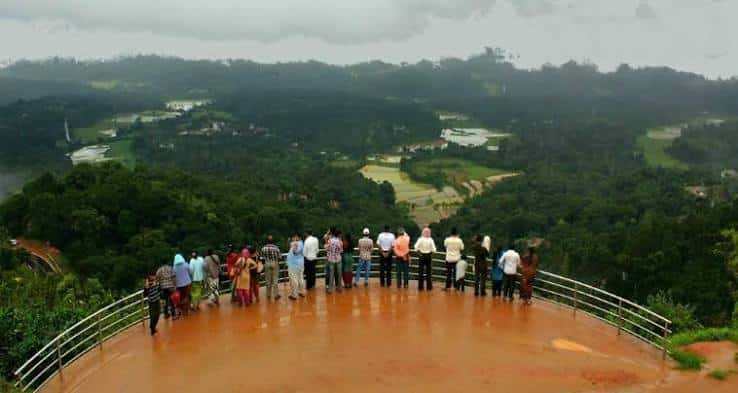
Here are ten of the best places to visit in South India for a memorable holiday.
Quick Overview
| Destination | State/UT | Best Time to Visit | Best Known For |
|---|---|---|---|
| Munnar | Kerala | September–March | Tea estates and mountain scenery |
| Alappuzha | Kerala | October–March | Backwaters and houseboats |
| Hampi | Karnataka | October–February | Vijayanagara ruins |
| Mysuru | Karnataka | October–March | Royal heritage and culture |
| Coorg | Karnataka | October–March | Coffee plantations and waterfalls |
| Ooty | Tamil Nadu | October–June | Nilgiri hills and heritage railway |
| Madurai | Tamil Nadu | October–March | Temples and traditional culture |
| Puducherry | Puducherry | October–March | French Quarter and coastline |
| Rameswaram | Tamil Nadu | October–March | Pilgrimage and coastal landscapes |
| Wayanad | Kerala | October–May | Forests, caves and outdoor activities |
Seasonal weather can vary, particularly during the monsoon. Check local forecasts and road conditions before travelling to hilly or forested areas.
1. Munnar, Kerala
Munnar is one of South India’s most popular hill destinations. Its rolling tea estates, cool climate, winding roads and green valleys make it suitable for couples, families and nature lovers. Kerala Tourism describes Munnar as a celebrated hill station where natural beauty is central to the visitor experience.
Popular attractions include:
- Eravikulam National Park
- Mattupetty Dam
- Tea Museum
- Top Station
- Kundala Lake
- Echo Point
Plantation walks and scenic drives are among the best ways to enjoy the area. Keep at least two full days for Munnar because attractions are spread across different routes.
2. Alappuzha, Kerala
Alappuzha, also widely called Alleppey, is the classic destination for experiencing Kerala’s backwaters. Visitors can travel through canals, lagoons and village landscapes by houseboat, smaller country boat or shikara-style vessel.
Kerala Tourism itineraries regularly combine Alappuzha with Munnar, Kochi and nearby nature destinations, highlighting houseboat journeys and village-based experiences.
A houseboat stay can be relaxing, but travellers should confirm the route, meal plan, air-conditioning hours and boat safety standards before booking. A shorter daytime cruise is a good alternative for those who prefer to stay in a hotel.
3. Hampi, Karnataka
Hampi is one of India’s most extraordinary heritage destinations. Its temples, stone gateways, royal enclosures and giant boulder landscapes reflect the grandeur of the Vijayanagara Empire. Incredible India describes Hampi as both an archaeological treasure and a spiritually significant landscape.
Do not miss:
- Virupaksha Temple
- Vittala Temple
- Stone Chariot
- Lotus Mahal
- Elephant Stables
- Hemakuta Hill
Exploring by bicycle, scooter or local vehicle makes it easier to cover the large monument area. Sunrise and sunset viewpoints add another dimension to the ruins, but carry water and sun protection during daytime sightseeing.
4. Mysuru, Karnataka
Mysuru is a graceful heritage city known for palaces, gardens, traditional markets and a strong cultural identity. Karnataka Tourism identifies it as the cultural capital of the state, set near the Chamundi Hills.
Major attractions include:
- Mysuru Palace
- Chamundi Hill
- Devaraja Market
- St. Philomena’s Cathedral
- Brindavan Gardens
- Railway Museum
The city is also known for dishes such as Mysuru masala dosa, bisi bele bath and Mysuru Pak. A two-day visit works well, while an additional day allows an excursion to Srirangapatna or Ranganathittu.
5. Coorg, Karnataka
Coorg, or Kodagu, is a scenic district associated with coffee estates, forested hills, waterfalls and homestays. Karnataka Tourism presents it as a destination of coffee, clouds and calm, with attractions such as Abbey Falls surrounded by plantation landscapes.
Popular experiences include:
- Coffee plantation visits
- Abbey Falls
- Raja’s Seat
- Dubare
- Talakaveri
- Forest and village walks
Coorg is better treated as a region than a single town. Select your accommodation carefully according to the attractions you plan to visit, as road journeys between different areas can take time.
6. Ooty, Tamil Nadu
Ooty, officially Udhagamandalam, is a famous hill station in the Nilgiri district of Tamil Nadu. The state tourism department describes it as one of India’s most beautiful hill stations, set amid the Nilgiri landscape.
Top attractions include:
- Government Botanical Garden
- Ooty Lake
- Doddabetta Peak
- Rose Garden
- Tea estates
- Nilgiri Mountain Railway
The heritage train journey is a major highlight, so book tickets early during holiday periods. Nearby Coonoor can be added for tea gardens, viewpoints and a quieter atmosphere.
7. Madurai, Tamil Nadu
Madurai is one of South India’s most culturally intense cities. It is best known for the Meenakshi Amman Temple, but its appeal also lies in busy markets, traditional food, old neighbourhoods and the rhythm of daily religious life.
Important places include:
- Meenakshi Amman Temple
- Thirumalai Nayakkar Palace
- Gandhi Memorial Museum
- Vandiyur Mariamman Teppakulam
- Local flower and textile markets
Dress respectfully at temples and check current rules regarding photography, bags and mobile phones. Madurai also works as a gateway to destinations such as Rameswaram and Chettinad.
8. Puducherry
Puducherry is a coastal destination known for its French-influenced streets, Tamil neighbourhoods, cafés and seafront promenade. Incredible India describes it as a vibrant coastal city with distinctive French charm, located roughly 170 kilometres from Chennai.
Popular experiences include:
- Walking through the French Quarter
- Promenade Beach
- Sri Aurobindo Ashram
- Auroville excursions
- Café hopping
- Heritage cycling tours
Puducherry is ideal for a slow two- or three-day break. Explore both the colonial-style streets and the traditional Tamil quarter to appreciate the city beyond its most photographed buildings.
9. Rameswaram, Tamil Nadu
Rameswaram combines religious importance with striking coastal scenery. It is a major pilgrimage destination and is also known for long temple corridors, sea views and the road and rail approach across Pamban.
Key attractions include:
- Ramanathaswamy Temple
- Agni Theertham
- Pamban Bridge viewpoints
- Dhanushkodi
- Former President A.P.J. Abdul Kalam’s memorial
Dhanushkodi’s exposed coastal setting can be affected by strong winds and weather, so follow local instructions. Temple visitors should check dress codes and opening timings before arriving.
10. Wayanad, Kerala
Wayanad is an excellent choice for forests, trekking, waterfalls and plantation stays. Incredible India describes its landscape as a combination of mountains, lakes, forest trails, waterfalls and ancient caves. It is also home to Banasura Sagar Dam and the prehistoric Edakkal Caves.
Popular places include:
- Edakkal Caves
- Banasura Sagar Dam
- Pookode Lake
- Soochipara Falls
- Wildlife areas
- Tea and spice plantations
Wayanad’s attractions are widely spread, so choose a central stay and avoid packing too many locations into one day. Trekking and wildlife access may depend on weather and forest-department regulations.
How to Plan a South India Trip
South India is too large to cover comfortably in one short holiday. It is better to create a regional route.
A Kerala itinerary can combine Kochi, Munnar and Alappuzha. Karnataka travellers can pair Mysuru with Coorg or explore Hampi as a separate heritage break. In Tamil Nadu, Chennai, Puducherry and nearby coastal heritage sites form a practical route, while Madurai and Rameswaram work well together.
Allow extra travel time on hill roads. Avoid changing hotels every night, particularly when travelling with children or senior citizens. For a relaxed experience, select three or four destinations for a seven- to ten-day journey rather than attempting to cover the entire region.
Practical Travel Tips
Carry light cotton clothing for coastal areas and a jacket for hill stations. During the monsoon, pack rain protection and footwear with good grip. Temple visits may require modest clothing, and footwear must generally be removed before entry.
Book trains, heritage rail journeys, wildlife activities and popular stays in advance. Use authorised guides and operators for trekking, boating and adventure activities. Avoid littering in forests, beaches and mountain areas, and reduce unnecessary plastic use wherever possible.
FAQs
1. Which is the best place in South India for a honeymoon?
A. Munnar, Coorg, Ooty, Alappuzha and Puducherry are popular choices because they combine scenic surroundings with comfortable accommodation and relaxed experiences.
2. Which South Indian destination is best for history lovers?
A. Hampi is one of the strongest choices for ancient ruins, while Mysuru, Madurai and Puducherry offer royal, temple and colonial heritage respectively.
3. What is the best time to visit South India?
A. October to March is comfortable for many coastal and heritage destinations. Hill stations such as Ooty and Munnar can also be visited during other parts of the year, depending on rainfall and personal preferences.
4. How many days are needed for a South India tour?
A. Seven to ten days are suitable for one regional circuit. Exploring several states properly may require two weeks or multiple separate trips.
5. Which destination is best for nature and wildlife?
A. Wayanad, Munnar and Coorg offer forests, plantations and outdoor experiences. Wildlife access and trekking routes should always be checked locally before travel.