 By Nishant Pal
 Selecting the right flooring material is one of the biggest decisions when building or renovating a home. Among the most popular options, marble and tiles stand out for their beauty, durability, and versatility. While marble is admired for its luxurious natural appearance, tiles are known for their affordability, low maintenance, and wide range of designs.
But which one is better? The answer depends on your budget, lifestyle, maintenance preferences, and the area where the flooring will be installed. Marble offers timeless elegance and adds value to a property, whereas tiles provide greater durability, easier maintenance, and better resistance to stains and moisture.
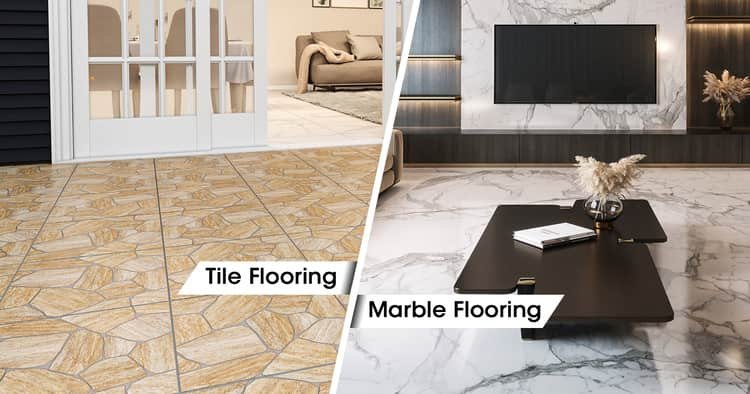
This guide compares marble and tiles in detail to help you choose the best option for your home or commercial space.
Marble vs Tiles: Quick Comparison
| Feature | Marble | Tiles |
|---|---|---|
| Material | Natural stone | Ceramic, vitrified, porcelain, or other manufactured materials |
| Appearance | Natural, luxurious veining | Available in countless colours, textures, and patterns |
| Durability | High but prone to scratches | Very high, especially vitrified and porcelain tiles |
| Water Resistance | Moderate | Excellent |
| Maintenance | High | Low |
| Installation Cost | Higher | Lower |
| Lifespan | 50+ years with proper care | 20–30+ years |
| Best For | Luxury homes, living rooms, hotels | Homes, offices, kitchens, bathrooms, commercial spaces |
| Price | Expensive | Budget-friendly to premium |
What Is Marble?
Marble is a natural stone formed from limestone under intense heat and pressure over millions of years. Every marble slab has unique patterns, colours, and veining, making each installation one of a kind.
Popular marble varieties include Italian Marble, Makrana Marble, Indian White Marble, and Statuario Marble.
Advantages of Marble
- Elegant and luxurious appearance
- Unique natural patterns
- Adds value to a property
- Long lifespan
- Naturally cool surface, ideal for warm climates
- Can be polished to restore its shine
Disadvantages of Marble
- Expensive to purchase and install
- Requires regular polishing
- Can stain if spills are not cleaned quickly
- Prone to scratches and etching
- Needs periodic sealing to protect the surface
Marble is best suited for homeowners who prioritize aesthetics and are willing to invest in regular maintenance.
What Are Tiles?
Tiles are manufactured flooring materials available in ceramic, vitrified, porcelain, and other varieties. Modern manufacturing technology allows tiles to replicate the appearance of marble, wood, granite, concrete, and even natural stone.
Tiles have become the preferred flooring option for modern homes due to their durability, affordability, and easy maintenance.
Advantages of Tiles
- Available in thousands of designs
- Water and stain resistant
- Easy to clean
- Affordable installation
- Durable and scratch-resistant
- Suitable for indoor and outdoor use
- Require very little maintenance
Disadvantages of Tiles
- Grout lines may require occasional cleaning
- Cracked tiles usually need replacement rather than repair
- Lower-quality tiles may chip under heavy impact
- Some glossy tiles can become slippery when wet
Overall, tiles are a practical solution for both residential and commercial spaces.
Marble vs Tiles: Key Differences
1. Appearance
Marble is unmatched in natural beauty. Each slab has unique veins and colour variations that create a premium look.
Tiles, however, are available in countless colours and can closely imitate marble, wood, and other natural materials.
Winner: Marble (for luxury appearance)
2. Durability
Modern vitrified and porcelain tiles are highly durable and resistant to scratches, stains, and heavy foot traffic.
Marble is strong but can scratch or lose its polish over time if not properly maintained.
Winner: Tiles
3. Maintenance
Tiles require only regular sweeping and mopping.
Marble needs periodic polishing, sealing, and immediate cleaning of spills to prevent stains.
Winner: Tiles
4. Water Resistance
Tiles, especially vitrified and porcelain varieties, absorb very little water.
Marble is naturally porous and may absorb moisture if not sealed.
Winner: Tiles
5. Cost
Marble is significantly more expensive due to material costs, transportation, and installation.
Tiles are available in budget, mid-range, and premium categories to suit almost every budget.
Winner: Tiles
6. Lifespan
Well-maintained marble flooring can last for several decades, often more than 50 years.
Quality tiles can also last for decades but may require replacement sooner in heavily used areas.
Winner: Marble
Which Is Better for Different Areas?
Living Room
Marble creates an elegant and luxurious atmosphere, making it a popular choice for premium homes. High-quality vitrified tiles are an excellent alternative for those seeking a similar look with less maintenance.
Kitchen
Tiles are the better option because they resist stains, water, and grease while being easy to clean.
Bathroom
Tiles are highly recommended due to their water resistance and availability in anti-slip finishes. Marble requires extra care in wet areas.
Bedroom
Both options work well. Marble provides a cool, luxurious feel, while tiles offer greater affordability and easier maintenance.
Commercial Spaces
Tiles are preferred for offices, shopping centres, hospitals, and hotels because they are durable and cost-effective.
Factors to Consider Before Choosing
Before making your decision, think about:
- Your budget
- Maintenance requirements
- Room usage
- Water exposure
- Desired appearance
- Foot traffic
- Installation costs
- Long-term durability
Balancing these factors will help you choose flooring that meets both your practical needs and design preferences.
Marble or Tiles: Which Should You Choose?
Choose marble if you:
- Want a premium, timeless look
- Are designing a luxury home
- Don’t mind regular maintenance
- Value natural stone over manufactured materials
Choose tiles if you:
- Want a budget-friendly flooring option
- Prefer easy maintenance
- Need water-resistant flooring
- Are renovating kitchens or bathrooms
- Want a wide variety of designs and finishes
For most modern homes, premium vitrified or porcelain tiles provide an excellent balance of beauty, durability, and affordability.
Conclusion
Both marble and tiles offer unique benefits, and the right choice depends on your priorities. Marble remains the preferred option for homeowners seeking unmatched natural beauty, elegance, and long-term property value. However, it comes with higher costs and greater maintenance requirements.
Tiles, on the other hand, offer outstanding durability, low maintenance, water resistance, and excellent value for money. With modern manufacturing techniques, high-quality tiles can closely resemble natural marble while providing better performance in everyday use.
If you’re looking for luxurious aesthetics and have the budget to maintain it, marble is an excellent investment. If practicality, affordability, and durability are your priorities, tiles are the better overall choice for most homes.
FAQs
1. Which is better for flooring: marble or tiles?
Tiles are generally the better choice for most homes because they are durable, affordable, water-resistant, and easy to maintain. Marble is ideal for luxury interiors where aesthetics are the top priority.
2. Is marble more expensive than tiles?
Yes. Marble usually costs significantly more than tiles due to the price of the natural stone, transportation, installation, and ongoing maintenance.
3. Which flooring lasts longer?
Properly maintained marble can last for over 50 years, while quality vitrified or porcelain tiles typically last 20–30 years or more.
4. Which is better for kitchens and bathrooms?
Tiles are the preferred option because they resist water, stains, and moisture better than marble and require less maintenance.
5. Can tiles look like marble?
Yes. Modern porcelain and vitrified tiles are available in realistic marble-look finishes that closely resemble natural stone while offering better durability and easier maintenance.