 By Saurav Mehra
 Management courses after 12th differ mostly in how early they let you specialise: a general BBA keeps every door open for three years, while a five-year IPM at an IIM commits you to an MBA before you turn 22. Neither choice is automatically better, and the ten options below reflect that spread. They run from broad degrees such as BBA and BMS to focused programmes in aviation, sports, healthcare and retail. Each is described by the work it leads to, the route in and the trade-offs, so a student from Commerce, Science or Arts can pick a path that matches how sure they already are about a career.
| Course | Duration | Eligibility | Entry Route | Approx. Total Cost | Typical Roles | Indicative Fresher Pay |
| BBA (General) | 3 years (4 years under some NEP-aligned programmes) | 10+2 any stream, usually 45–50% | CUET, IPU CET, college tests | ₹1.5–12 lakh | Management trainee, sales or operations executive | ₹3–6 LPA |
| BMS (Bachelor of Management Studies) | 3 years | 10+2 any stream, merit-based cut-offs | State CETs or merit | ₹1.5–5 lakh | Marketing associate, HR executive, business analyst trainee | ₹3–5.5 LPA |
| IPM (Integrated Programme in Management) | 5 years | 10+2 with about 60% | IPMAT, JIPMAT | ₹15–25 lakh at IIMs | Consultant, analyst, management associate | ₹10–25 LPA at top IIMs |
| BBA in Business Analytics | 3 years | 10+2, Maths preferred | CUET, college tests | ₹2–10 lakh | Business analyst, data reporting associate | ₹3.5–6 LPA |
| BBA in Banking and Finance (BFM/BBI) | 3 years | 10+2 Commerce or any stream | State CETs or merit | ₹1.5–4.5 lakh | Equity research associate, banking executive | ₹3–5.5 LPA |
| BBA in Event Management | 3 years (diplomas run 6–12 months) | 10+2 any stream | College tests or merit | ₹1–6 lakh | Event coordinator, operations executive, brand activation associate | ₹2–4 LPA |
| BBA in Sports Management | 3 years | 10+2 any stream | College tests or merit | ₹2–8 lakh | College tests or merit | ₹2–4 LPA |
| BBA in Aviation Management | 3 years | 10+2 any stream | College tests or merit | ₹2–8 lakh | Airline ground operations, airport customer service, cargo executive | ₹2–4 LPA |
| BBA in Healthcare/Hospital Management | 3 years | 10+2, Science preferred at some institutes | College tests or merit | ₹1.5–8 lakh | Hospital administrator trainee, patient relations executive | ₹2.5–4.5 LPA |
| BBA in Retail and E-commerce Management | 3 years | 10+2 any stream | College tests or merit | ₹1.5–6 lakh | Category executive, store operations trainee, marketplace associate | ₹2.5–4.5 LPA |
Fees and pay are indicative and vary sharply by college, city and individual skills.
The Broad Degrees: Keep Options Open
1. BBA (General)
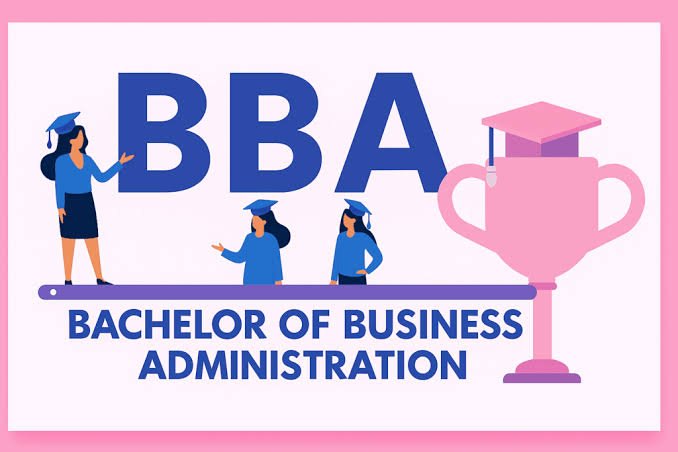
BBA is the standard first step into business, and it accepts students from any stream. Quality varies enormously, because the same three letters cover a top university and an unregulated institute.
- Entry is usually through CUET for central universities, IPU CET for Delhi’s state university, or each college’s own test.
- Look for internships built into the curriculum, since recruiters value work exposure more than coursework.
- Skip colleges that promise a fixed MBA seat or guaranteed placement in writing.
2. BMS (Bachelor of Management Studies)
BMS is especially popular in Mumbai, and it usually combines management with accounting, economics and business law. Colleges under Mumbai University admit through state-level tests or merit, and cut-offs at top colleges run high.
- Placements at well-known colleges are noticeably stronger than at average ones, so college choice matters more than the degree name.
- It works well as a pre-MBA foundation for CAT or GMAT later.
3. IPM (Integrated Programme in Management)
IPM is a five-year programme at IIMs such as Indore, Rohtak and Ranchi that gives you a BBA and MBA in one go. Admission depends on IPMAT or JIPMAT, and competition is intense.
- Preparation needs a year of focused work in Quant, verbal ability and logical reasoning.
- Fees are high, but campus placements at the older IIMs can be strong.
- If you miss the cut, a good BBA followed by CAT is a solid backup.
Specialised Degrees: Choose When You Know the Field
4. BBA in Business Analytics
This programme blends management with Excel, SQL, Python and dashboards, and it suits students who like numbers and business questions. Roles usually start as reporting or analyst positions.
- Check that the college has real analytics tools and industry projects, not only slides.
- Comfort with Maths helps, though advanced statistics isn’t required at the start.
5. BBA in Banking and Finance
Banking and Finance degrees prepare you for equity research, banking operations and financial services. Adding NISM certifications makes your résumé more relevant to broking and mutual fund roles.
- Mumbai-based BFM and BBI programmes are especially well connected to finance employers.
- It is a good stepping stone for a later MBA in finance.
Industry-Focused Management: Narrow but Direct
6. Event Management
Weddings, concerts, corporate summits and brand launches all need coordinators. It is a fast, hands-on field, and your reputation grows through the events you deliver.
- Work as a volunteer or assistant during college to build contacts.
- Hours are irregular, and pay starts modest but rises with your client network.
7. Sports Management
Sports leagues, clubs and sponsorship agencies hire managers for marketing, operations and athlete relations. Jobs are limited compared to mainstream business roles, so internships and networking matter greatly.
- Look for institutes with real tie-ups to leagues or sports bodies.
- Cricket dominates hiring, and other sports have smaller but growing openings.
8. Aviation Management
Aviation management prepares you for airline ground operations, airport services and cargo handling. It doesn’t train pilots, so it fits students who want airport and airline careers without a pilot’s medical requirements.
- Airlines and airport operators run their own selection tests, and English communication carries weight.
- Be cautious of institutes guaranteeing airline placement.
9. Healthcare and Hospital Management
Hospitals, diagnostic chains and insurance administrators need people who can run operations, billing and patient services. It suits students who want a healthcare career without becoming a doctor or nurse.
- Entry roles usually sit in administration, patient relations or insurance coordination.
- An MBA in healthcare management later opens senior administrator roles.
10. Retail and E-commerce Management
Retail chains and online marketplaces hire category executives, store operations staff and supply chain associates. E-commerce roles reward comfort with data and customer behaviour.
- Internships at marketplaces or large retail chains give the strongest résumé boost.
- Store operations roles start modestly but can grow into regional management.
What Happens After a Management Degree
- Work first, MBA later: Many top MBA programmes prefer candidates with two to four years of experience, which makes an early job an advantage rather than a delay.
- Entrance exams: CAT, XAT and GMAT are the main gateways, and you can start preparing during your final year.
- Professional add-ons: CFA, NISM and digital marketing certifications strengthen finance and marketing careers.
- Startups and family businesses: A BBA plus hands-on work in a real business often teaches more than a second classroom degree.
Three Checks Before You Pay Any Fee
- Verify the university’s UGC recognition and the programme’s AICTE status where applicable, since regulators now cover BBA and BMS programmes.
- Ask for the previous year’s placement report with median, not only maximum, packages.
- Speak with two recent graduates about internships, faculty and actual job outcomes.
Fitting a Course to Your Situation
- Commerce with Maths and a strong exam temperament: IPM, BBA Business Analytics or BFM.
- Undecided but interested in business: General BBA or BMS at the best college you can get.
- Clear about an industry: Aviation, healthcare, sports, event or retail programmes.
- Limited budget: Government or aided colleges offering BBA, BMS or BFM at low fees.
FAQs
Q1. Is BBA better than B.Com for a business career?
A. Neither is universally better. BBA leans towards management and soft skills, while B.Com is stronger for accounting and finance-linked paths like CA.
Q2. Do I need an MBA after BBA?
A. Not always. Many BBA graduates work first, and an MBA adds most value for senior or specialised roles.
Q3. Can Science or Arts students take management courses?
A. Yes, BBA, BMS and most specialised programmes accept any stream, though IPM and analytics programmes may favour Maths.
Q4. Which management course pays the most at entry?
A. IPM at a top IIM leads by a wide margin, followed by strong BBA or BMS placements at leading colleges. Actual pay depends on the college and your skills.