 By Akash Sharma
 Karnataka Industrial Areas Development Board, commonly known as KIADB, plays a major role in the industrial growth of Karnataka. KIADB Industrial Areas are among the most developed and organized industrial zones in South India. These industrial areas support manufacturing industries, IT companies, warehouses, logistics parks, engineering units, aerospace industries, pharmaceutical companies, and many other businesses.
The Karnataka government established KIADB to promote industrial development across the state by creating planned industrial regions with proper infrastructure. Over the years, KIADB has developed hundreds of industrial estates and industrial parks in different districts of Karnataka.
Today, KIADB Industrial Areas are considered important business and investment hubs because of their modern infrastructure, industrial facilities, and excellent connectivity. Thousands of companies and lakhs of workers depend on these industrial areas for employment and commercial opportunities.
The industrial network has helped Karnataka become one of India’s leading states for manufacturing, technology, aerospace, and industrial investments.
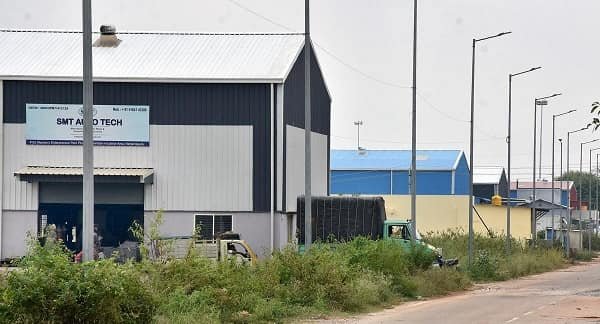
What is KIADB?
Karnataka Industrial Areas Development Board is a government body formed under the Karnataka Industrial Areas Development Act of 1966. The organization is responsible for acquiring land, developing industrial infrastructure, and supporting industries across Karnataka.
The main objective of KIADB is to promote industrial growth and create a business-friendly environment for investors and companies.
The board develops industrial areas with facilities such as:
- Roads
- Water supply
- Drainage systems
- Electricity infrastructure
- Warehousing support
- Industrial plots
- Commercial facilities
Because of its organized development model, KIADB has become highly important for Karnataka’s economy.
Major KIADB Industrial Areas
KIADB has developed industrial areas in many districts across Karnataka. Some of the most well-known industrial zones include:
- Peenya Industrial Area
- Bommasandra Industrial Area
- Bidadi Industrial Area
- Aerospace Park Devanahalli
- Harohalli Industrial Area
- Malur Industrial Area
- Dharwad Industrial Area
- Hassan Industrial Area
- Doddaballapur Industrial Area
These industrial zones support different sectors including automobile manufacturing, aerospace, textiles, engineering, pharmaceuticals, food processing, electronics, and information technology.
Importance of KIADB Industrial Areas
Karnataka Industrial Areas Development Board has played a major role in transforming Karnataka into one of India’s strongest industrial states.
The industrial areas support:
- Manufacturing industries
- Information technology companies
- Aerospace and defense sectors
- Warehousing and logistics
- Pharmaceutical businesses
- Engineering industries
- Export-oriented industries
- Startup and industrial investments
The industrial network has also attracted national and international companies to Karnataka.
Infrastructure in KIADB Industrial Areas
One of the biggest advantages of KIADB Industrial Areas is their planned infrastructure.
Roads and Transportation
Most KIADB industrial zones are connected through major highways and industrial corridors. This helps businesses transport goods efficiently across India.
Power and Water Supply
Industrial areas developed by KIADB usually have dedicated power supply systems and water infrastructure to support factories and commercial operations.
Industrial Plots and Parks
Companies can obtain industrial plots, factory spaces, and industrial sheds for setting up businesses.
Logistics and Warehousing
Many KIADB regions support warehouses, logistics parks, and commercial transport operations.
Sector-Specific Industrial Parks
KIADB has also developed special industrial parks for aerospace, IT, textiles, pharmaceuticals, and electronics industries.
Industries Operating in KIADB Areas
KIADB Industrial Areas support a wide range of industries.
Automobile and Engineering Industries
Engineering workshops, automobile manufacturing units, machinery industries, and industrial equipment companies operate in many KIADB regions.
Information Technology and Electronics
Several technology parks and IT companies operate from KIADB-developed industrial regions near Bengaluru.
Aerospace and Defense
The aerospace sector has grown rapidly in Karnataka, especially around Devanahalli and Bengaluru North.
Pharmaceutical Industries
Pharmaceutical companies and healthcare product manufacturers also operate from KIADB industrial parks.
Textile and Garment Industries
Textile manufacturing and garment production industries are active in several industrial zones.
Food Processing Industries
Food processing units and agro-based industries support Karnataka’s agricultural economy.
Connectivity and Transportation
One of the strongest advantages of KIADB Industrial Areas is excellent connectivity.
Road Connectivity
Most industrial regions are connected through national highways and major roads.
Commercial transportation becomes easier because industrial corridors link Karnataka with neighboring states such as Tamil Nadu, Andhra Pradesh, Maharashtra, Telangana, and Kerala.
Railway Connectivity
Industrial regions near Bengaluru, Mysuru, Hubballi, and other cities benefit from strong railway networks.
Airport Connectivity
Kempegowda International Airport supports international business travel and cargo movement for industries.
Port Connectivity
Industries near coastal Karnataka also benefit from access to ports for export and import operations.
Employment Opportunities
KIADB Industrial Areas provide employment opportunities to lakhs of people across Karnataka.
Job opportunities are available in:
- Manufacturing industries
- IT companies
- Warehouses and logistics
- Engineering workshops
- Pharmaceutical industries
- Aerospace companies
- Office administration
- Transport services
- Technical maintenance
Both skilled professionals and industrial workers find employment opportunities in these industrial zones.
Residential and Commercial Growth
Industrial development has also increased residential and commercial growth around KIADB areas.
Many regions now include:
- Residential apartments
- Housing layouts
- Shopping complexes
- Hotels and restaurants
- Schools and colleges
- Hospitals and clinics
- Commercial office spaces
Cities like Bengaluru, Mysuru, Hubballi, and Tumakuru have witnessed rapid urban development because of industrial growth.
Challenges Faced by KIADB Areas
Despite industrial success, KIADB Industrial Areas also face some challenges.
Traffic Congestion
Industrial vehicle movement and increasing urbanization often create traffic congestion in major industrial zones.
Infrastructure Maintenance
Road repairs, drainage systems, and public infrastructure require continuous improvement.
Pollution
Industrial operations contribute to air, water, and noise pollution in some areas.
Land and Investment Issues
Some industrial parks face delays in development and land utilization challenges.
Future Development
The future of KIADB Industrial Areas looks highly promising. Karnataka continues to attract investments in manufacturing, aerospace, electric vehicles, technology, and logistics sectors.
New industrial parks, metro projects, suburban rail systems, and airport developments are expected to improve industrial growth further.
Modern industrial systems, smart factories, and technology-driven infrastructure may strengthen Karnataka’s position as a leading industrial state in India.
Daily Business Environment
KIADB Industrial Areas remain highly active throughout the day. Trucks, factory workers, office employees, warehouse staff, and transport operators create a busy industrial atmosphere.
Tea stalls, restaurants, cafes, and commercial markets remain crowded with workers and business professionals. In areas near Bengaluru, many industrial zones also include modern office spaces and technology parks.
The environment reflects a mix of industrial operations and urban commercial growth.
Conclusion
Karnataka Industrial Areas Development Board has played a major role in Karnataka’s industrial success. From manufacturing industries and IT parks to aerospace companies and logistics hubs, KIADB Industrial Areas support a wide range of economic activities.
Its planned infrastructure, industrial support systems, and strong connectivity make Karnataka highly attractive for industries and investors. Thousands of companies and lakhs of workers depend on KIADB industrial regions for employment and business growth.
Despite challenges like traffic congestion and infrastructure pressure, KIADB Industrial Areas continue to expand rapidly. With ongoing industrial investments and modernization projects, these industrial zones are expected to remain among India’s leading business and manufacturing hubs for many years ahead.
Frequently Asked Questions (FAQs)
Q1. What is the full form of KIADB?
A: KIADB stands for Karnataka Industrial Areas Development Board.
Q2. What is the purpose of KIADB?
A: The purpose of KIADB is to develop industrial areas and promote industrial growth in Karnataka.
Q3. Which industries operate in KIADB Industrial Areas?
A: Engineering industries, IT companies, pharmaceutical businesses, automobile manufacturers, aerospace industries, warehouses, and food processing units operate in KIADB areas.
Q4. Is KIADB important for Karnataka’s economy?
A: Yes, KIADB plays a major role in Karnataka’s industrial development, employment generation, and investment growth.
Q5. Which are the famous KIADB industrial areas?
A: Some famous KIADB industrial regions include Peenya, Bommasandra, Bidadi, Harohalli, Devanahalli Aerospace Park, and Malur Industrial Area.
Q6. Do KIADB Industrial Areas provide employment opportunities?
A: Yes, lakhs of workers and professionals are employed in industries, offices, warehouses, and commercial businesses located in KIADB areas.
Q7. Are KIADB Industrial Areas well connected?
A: Yes, most KIADB regions have excellent road, railway, airport, and logistics connectivity.