 By Nishant Pal
 For years, soft gray nurseries dominated home décor trends. Neutral gray walls, furniture, and accessories became popular because they created a minimalist, gender-neutral look that blended easily with modern interiors. However, a noticeable shift is taking place. Many parents and interior designers are moving away from cool gray palettes and embracing earthy, saturated colours inspired by nature.
Warm terracotta, olive green, mustard yellow, clay, deep forest green, dusty blue, burnt orange, and rich browns are increasingly finding their way into nurseries. These colours bring warmth, personality, and a sense of comfort while creating spaces that can grow with children over time.
The trend isn’t about making nurseries brighter or more stimulating. Instead, it’s about creating welcoming environments that feel calm, timeless, and connected to nature.
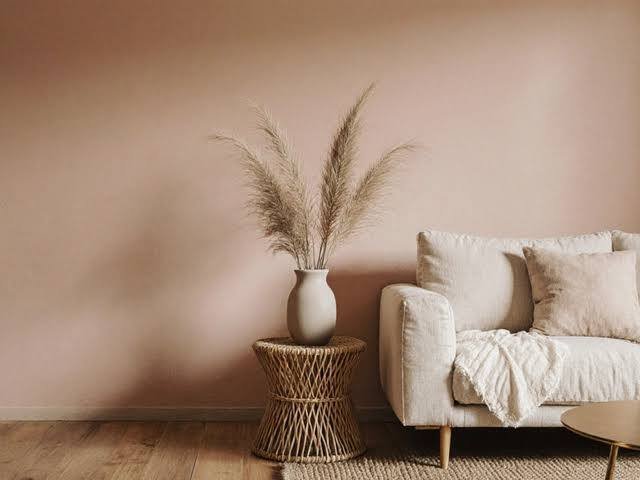
What Are Earthy Saturated Colours?
Earthy saturated colours are shades inspired by natural landscapes, plants, soil, stone, and wood. They are richer than traditional pastel colours but softer than bold neon tones.
Popular nursery colours include:
- Sage green
- Olive green
- Terracotta
- Rust
- Clay
- Mustard yellow
- Dusty blue
- Forest green
- Warm beige
- Cinnamon brown
- Deep taupe
- Soft ochre
These colours create depth while maintaining a soothing atmosphere.
Why Gray Nurseries Became Popular
Gray became a favourite nursery colour because it offered several practical advantages.
Parents appreciated that it was:
- Gender-neutral
- Easy to match with furniture
- Modern and minimalist
- Suitable for future room updates
- Widely available in home décor collections
While gray remains a versatile option, some families now find that all-gray spaces can feel cooler or less inviting, especially when not balanced with warmer tones and textures.
Why Earthy Colours Are Becoming More Popular
They Create Warm, Comfortable Spaces
Earth-inspired colours often make a room feel cosy and welcoming.
Warm greens, terracotta, and muted browns can help create an environment where parents enjoy spending time feeding, reading, and playing with their baby.
The goal is not simply decoration but creating a comfortable family space.
They Connect Children With Nature
Natural colours reflect elements children encounter outdoors, such as trees, leaves, soil, sand, and the sky.
Many parents enjoy bringing these calming influences indoors through paint, furniture, textiles, and decorative accessories.
Nature-inspired design has become increasingly popular because it encourages a timeless rather than trend-driven aesthetic.
They Grow With the Child
One advantage of earthy colours is their versatility.
Unlike themes designed specifically for babies, colours such as olive green, dusty blue, or warm beige remain suitable as children grow into toddlers and school-age kids.
Parents often need fewer room updates over the years.
They Pair Well With Natural Materials
Earthy colour palettes work beautifully alongside:
- Wooden furniture
- Cotton fabrics
- Linen curtains
- Woven baskets
- Wool rugs
- Bamboo accessories
- Rattan storage
These combinations create a comfortable, layered look that feels relaxed rather than overly styled.
Creating a Balanced Nursery
Although richer colours are becoming more popular, balance remains important.
Parents often combine earthy tones with lighter neutrals to keep the room feeling bright and spacious.
For example:
- Sage green walls with white furniture
- Terracotta accents paired with cream bedding
- Olive green curtains with light oak furniture
- Mustard cushions alongside soft beige walls
Natural daylight also plays an important role in how colours appear throughout the day.
Choosing Colours That Feel Calm
Not every saturated colour creates the same atmosphere.
Many nursery designers recommend softer, muted shades instead of highly vibrant colours.
Popular calming combinations include:
- Sage green and cream
- Dusty blue and white
- Terracotta and beige
- Olive green and natural wood
- Warm taupe and soft brown
These palettes create visual interest without making the room feel overwhelming.
Personal Style Matters
There is no single “best” nursery colour.
Some families prefer minimalist white interiors, while others enjoy colourful themes inspired by nature, animals, or storybooks.
The most important consideration is creating a space where both parents and children feel comfortable.
Rather than following trends, many families choose colours that complement the rest of their home while reflecting their own personality.
Tips for Introducing Earthy Colours
If you prefer not to repaint the entire room, you can introduce earthy tones gradually.
Ideas include:
- Bedding
- Rugs
- Curtains
- Wall art
- Storage baskets
- Cushions
- Blankets
- Lampshades
- Decorative shelves
These accessories allow families to refresh the room without major renovations.
Practical Considerations
When selecting nursery colours, keep these practical points in mind:
- Test paint samples in natural and artificial light.
- Choose washable paint finishes suitable for children’s rooms.
- Coordinate colours with existing furniture.
- Avoid making the room too dark if natural light is limited.
- Select timeless colours that remain appealing as your child grows.
Practical planning often matters more than following seasonal design trends.
Finding the Right Balance
Colour is only one part of a comfortable nursery.
Equally important are:
- Safe furniture
- Comfortable lighting
- Good ventilation
- Organized storage
- Soft textiles
- Reading corners
- Space for play
A thoughtfully designed room supports both daily routines and family bonding, regardless of the specific colour palette.
Conclusion
Earthy saturated colours are gradually replacing neutral nursery grays as more parents seek warmer, more inviting spaces inspired by nature. Shades such as sage green, terracotta, olive, mustard, dusty blue, and warm browns create timeless interiors that feel cosy while adapting easily as children grow.
Although gray remains a practical and stylish option, many families appreciate the personality and warmth that earthy tones bring to a nursery. Combined with natural materials, soft lighting, and functional furniture, these colours help create welcoming environments that support everyday family life.
Ultimately, the best nursery is not defined by a particular trend but by how comfortable, safe, and enjoyable it feels for both parents and children. Choosing colours that reflect your family’s style and create a calming atmosphere will always be more important than following changing design fashions.
FAQs
1. Why are earthy colours becoming popular in nurseries?
Earthy colours create warm, welcoming spaces inspired by nature. They pair well with natural materials, feel timeless, and often transition easily as children grow older.
2. Are gray nurseries going out of style?
Gray is still a popular neutral colour, but many parents are now combining it with warmer earthy tones or choosing nature-inspired palettes to create a softer and more inviting atmosphere.
3. Which earthy colours are best for a nursery?
Popular choices include sage green, olive green, terracotta, dusty blue, warm beige, mustard yellow, clay, forest green, and soft brown because they provide warmth without being overly bright.
4. Are darker colours suitable for a baby’s room?
Yes, when used thoughtfully. Muted earthy shades paired with lighter furniture, natural light, and neutral accessories can create a calm and balanced nursery.
5. How can I update my nursery without repainting?
You can introduce earthy colours through bedding, curtains, rugs, cushions, storage baskets, artwork, lamps, and decorative accessories, allowing you to refresh the room with minimal effort.