 By Nishant Pal
 Plant-based proteins have become a popular choice for people looking to improve their nutrition, support fitness goals, or reduce their intake of animal products. At the same time, fermented plant proteins are gaining attention because fermentation may improve digestibility, reduce certain naturally occurring compounds that can interfere with nutrient absorption, and enhance flavour and texture.
However, many people wonder whether there is an ideal time to consume fermented plant protein for the best digestive benefits. While there is no single “perfect” time that works for everyone, factors such as meal timing, physical activity, and individual digestive health can influence how comfortable and beneficial these foods feel.
The most important factor is consistency. Including fermented plant proteins as part of a balanced diet is generally more beneficial than focusing only on the timing of consumption.
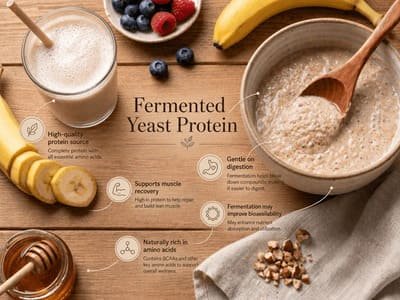
What Is Fermented Plant Protein?
Fermented plant protein is made by allowing beneficial microorganisms such as bacteria or fungi to naturally ferment plant-based ingredients. This process can alter the structure of proteins and carbohydrates, making some foods easier to digest.
Common fermented plant protein foods include:
- Tempeh
- Miso
- Natto
- Fermented tofu products
- Fermented soy beverages
- Certain fermented pea or plant protein products
Fermentation has been used in many cultures for centuries to improve food preservation, taste, and nutritional quality.
How Fermentation Supports Digestion
Fermentation changes the composition of plant foods in several beneficial ways.
It may:
- Break down some complex proteins.
- Reduce certain anti-nutrients, such as phytates.
- Improve mineral availability.
- Produce beneficial compounds during fermentation.
- Support flavour development.
- Make some foods easier to digest.
Individual responses vary, and not everyone experiences the same digestive benefits.
Is Breakfast a Good Time?
For many people, eating fermented plant protein at breakfast can help provide sustained energy throughout the morning.
Examples include:
- Tempeh with whole-grain toast
- Fermented soy yogurt with fruit
- Protein smoothies made with fermented plant protein powder
- Vegetable tofu scramble
Combining protein with whole grains, fruit, and healthy fats may help promote fullness and stable energy levels.
Around Exercise
Fermented plant proteins can also fit well into meals surrounding physical activity.
Before Exercise
A light meal containing plant protein and easily digestible carbohydrates about 2–3 hours before exercise may support energy levels while reducing the likelihood of stomach discomfort.
After Exercise
After physical activity, protein supports muscle repair and recovery.
Pair fermented plant protein with carbohydrate-rich foods such as:
- Brown rice
- Sweet potatoes
- Whole-grain bread
- Quinoa
- Fruit
This combination helps replenish energy stores while providing protein for recovery.
During Main Meals
Many people find fermented plant proteins easiest to digest when eaten as part of balanced meals rather than alone.
Examples include:
- Tempeh stir-fry with vegetables and brown rice
- Miso soup served with tofu and vegetables
- Grain bowls topped with fermented tofu
- Salads containing tempeh and legumes
Eating protein alongside fibre, healthy fats, and complex carbohydrates creates balanced meals that support overall nutrition.
Evening Consumption
There is no strong evidence that fermented plant proteins should be avoided at dinner.
For many individuals, an evening meal containing moderate amounts of plant protein can contribute to daily protein needs without negatively affecting digestion.
However, people who experience acid reflux or indigestion after large evening meals may benefit from eating smaller portions and avoiding heavy meals close to bedtime.
Listen to Your Digestive System
Every digestive system is different.
Some people tolerate fermented foods very well, while others may need time to adjust.
Pay attention to:
- Bloating
- Gas
- Fullness
- Stomach discomfort
- Changes in bowel habits
Introducing fermented foods gradually often allows the digestive system to adapt more comfortably.
Pair Protein with Fibre
Fermented plant proteins work well alongside fibre-rich foods.
Good combinations include:
- Vegetables
- Whole grains
- Fruits
- Legumes
- Seeds
- Nuts
These foods contribute additional nutrients and support a healthy digestive system.
Stay Hydrated
Protein and fibre are best supported by adequate fluid intake.
Drinking enough water helps:
- Support normal digestion
- Maintain bowel regularity
- Improve overall digestive comfort
Hydration is particularly important for people increasing their intake of plant-based foods.
Can Fermented Plant Protein Benefit Gut Health?
Fermentation produces beneficial compounds that researchers continue to study for their potential role in digestive health.
Although fermented foods may support a healthy diet, they should not be viewed as a cure for digestive disorders.
Overall gut health depends on multiple factors, including:
- Dietary fibre intake
- Sleep quality
- Physical activity
- Stress management
- Overall diet quality
A balanced lifestyle remains the foundation of digestive well-being.
Who Should Be Cautious?
Most healthy individuals can enjoy fermented plant proteins as part of a balanced diet.
However, some people may need personalised advice, including those with:
- Soy allergies
- Certain digestive disorders
- Histamine intolerance
- Kidney disease requiring protein restrictions
- Specific medical dietary requirements
Consult a healthcare professional or registered dietitian if you have ongoing digestive symptoms or medical concerns.
Practical Tips for Better Digestion
To make fermented plant proteins easier to digest:
- Introduce them gradually.
- Eat them with balanced meals.
- Chew food thoroughly.
- Stay hydrated.
- Include plenty of vegetables.
- Choose minimally processed products when possible.
- Maintain regular meal times.
These habits often contribute more to digestive comfort than meal timing alone.
Conclusion
Fermented plant proteins offer a nutritious and versatile way to increase protein intake while potentially improving digestibility through the natural fermentation process. Foods such as tempeh, miso, natto, and fermented tofu products can be enjoyed at breakfast, lunch, dinner, or around exercise, depending on individual preferences and daily routines.
Rather than focusing on finding a single “best” time to eat fermented plant protein, aim to include it consistently as part of balanced meals that also contain vegetables, whole grains, healthy fats, and adequate fluids. Listening to your body’s response and introducing fermented foods gradually can help maximise digestive comfort.
Combined with an overall healthy lifestyle, fermented plant proteins can be a valuable addition to a varied diet that supports digestion, muscle health, and long-term wellness.
FAQs
1. What is fermented plant protein?
Fermented plant protein is made by fermenting plant-based ingredients such as soy or peas with beneficial microorganisms. Examples include tempeh, miso, natto, and certain fermented tofu products.
2. Is there a best time to eat fermented plant protein?
There is no universal best time. Fermented plant proteins can be enjoyed at breakfast, lunch, dinner, or around exercise. Consistent intake as part of balanced meals is generally more important than precise timing.
3. Is fermented plant protein easier to digest?
For many people, yes. Fermentation can break down some complex proteins and reduce certain anti-nutrients, which may improve digestibility. Individual experiences can vary.
4. Can fermented plant protein help muscle recovery?
Yes. Like other quality protein sources, fermented plant proteins can contribute to muscle repair and recovery when consumed as part of a balanced diet that meets overall protein needs.
5. Who should avoid fermented plant protein?
People with soy allergies, certain digestive conditions, histamine intolerance, or specific medical dietary restrictions should seek advice from a healthcare professional before making significant dietary changes.