 By Nishant Pal
 Travelling across India does not always require expensive flights, luxury hotels or carefully packaged tours. With affordable trains, buses, hostels, homestays and local eateries available in many destinations, you can enjoy a meaningful holiday without placing too much pressure on your savings.
The secret to budget travel is choosing places where major attractions are free or inexpensive, public transport is easily available and accommodation exists across several price ranges. Travelling during weekdays or shoulder seasons can further reduce costs.
From Himalayan towns and spiritual cities to historic ruins and relaxed beaches, here are ten of the best budget travel destinations in India.
Quick Overview
| Destination | State or UT | Best Time to Visit | Best For |
|---|---|---|---|
| Rishikesh | Uttarakhand | September–November, February–April | Adventure and spirituality |
| Hampi | Karnataka | October–February | History and ruins |
| Varanasi | Uttar Pradesh | October–March | Culture and spiritual experiences |
| McLeod Ganj | Himachal Pradesh | March–June, September–November | Mountains and Tibetan culture |
| Pushkar | Rajasthan | October–March | Temples, markets and desert atmosphere |
| Gokarna | Karnataka | October–March | Beaches and coastal walks |
| Puducherry | Puducherry | October–March | Heritage streets and beaches |
| Jaipur | Rajasthan | October–March | Forts, food and shopping |
| Kasol | Himachal Pradesh | March–June, September–November | Backpacking and nature |
| Udaipur | Rajasthan | October–March | Lakes and heritage |
Travel expenses vary according to your starting city, season and accommodation preferences. Overnight trains, shared taxis, dormitories and local food can make these destinations considerably more affordable.
1. Rishikesh, Uttarakhand
Rishikesh is popular with backpackers because it offers inexpensive guesthouses, vegetarian cafés, riverside walks and several free spiritual experiences. The city is known for temples, ashrams, adventure activities and the evening Ganga Aarti.
Popular places include Triveni Ghat, Ram Jhula, Beatles Ashram and nearby waterfalls. September to November and February to April are especially suitable for outdoor activities and spiritual exploration.
You can save money by staying around Tapovan or in a hostel and walking to nearby cafés and attractions. River rafting and bungee jumping will increase the budget, so choose only one major paid activity.
2. Hampi, Karnataka
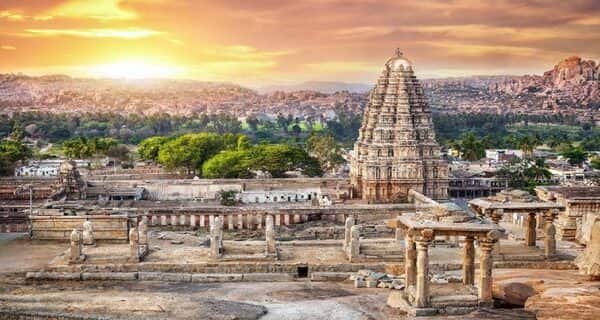
Hampi is an excellent destination for travellers who enjoy history, architecture and unusual landscapes. The ruins of the former Vijayanagara capital are spread among enormous boulders, temples and the Tungabhadra River.
Major attractions include Virupaksha Temple, the Vittala Temple Complex, Hampi Bazaar, Lotus Mahal and Hemakuta Hill. The Group of Monuments at Hampi is recognised as a UNESCO World Heritage Site.
Budget guesthouses and small restaurants are available around Hampi and nearby Hosapete. Renting a bicycle or sharing an auto-rickshaw with other travellers can keep sightseeing costs manageable.
3. Varanasi, Uttar Pradesh
Varanasi provides one of India’s richest cultural experiences without requiring an expensive itinerary. Much of the city can be discovered by walking through its narrow lanes, exploring ghats and watching daily life along the Ganga.
Important experiences include the evening Ganga Aarti, an early-morning boat ride, Kashi Vishwanath Temple, Assi Ghat and an excursion to Sarnath. Varanasi is also known for Banarasi silk, traditional crafts, music and historic temples.
Stay near the ghats if you prefer walking, but compare prices because riverside rooms may cost more. Local meals, kachori-sabzi, lassi and street snacks make eating affordably relatively easy.
4. McLeod Ganj, Himachal Pradesh
McLeod Ganj combines mountain scenery, Tibetan culture, monasteries and affordable backpacker accommodation. It is suitable for solo travellers, students and groups looking for a short Himalayan holiday.
Popular experiences include visiting the Tibetan temple complex, exploring local markets, walking to Bhagsu Waterfall and trekking to Triund. Budget guesthouses, cafés and shared transport make it accessible to travellers watching their expenses.
Avoid peak summer weekends when room prices rise sharply. Staying in Dharamkot or Bhagsu may provide quieter and sometimes more affordable options than the main market.
5. Pushkar, Rajasthan
Pushkar is a compact town that can be explored largely on foot. Its lake, ghats, temples, rooftop cafés and colourful markets make it an easy destination for a two- or three-day trip.
The main experiences include Pushkar Lake, Brahma Temple, Savitri Temple, evening walks through the market and nearby desert excursions. Many temples and public areas can be visited without expensive entry tickets.
Dormitories, guesthouses and vegetarian restaurants are available across different budgets. Prices can rise significantly during the Pushkar Fair, so travellers seeking a low-cost trip should avoid major festival dates.
6. Gokarna, Karnataka
Gokarna offers a relaxed coastal experience that can be cheaper than popular resort areas when you choose simple accommodation and local food.
The main beaches include Kudle Beach, Om Beach and Gokarna Main Beach. Travellers can spend their days swimming only in approved areas, watching sunsets or walking between selected beaches.
Beach huts and budget rooms may be available during the main season, but prices rise around Christmas and New Year. Eating at local restaurants away from beachfront cafés can reduce daily expenses.
Avoid isolated coastal trails after dark and check local sea conditions before entering the water.
7. Puducherry
Puducherry is suitable for budget travellers because many of its most enjoyable experiences involve walking. The French Quarter, Tamil neighbourhoods, seaside promenade and colourful streets can be explored without paying high entry charges.
Major attractions include Rock Beach, Sri Aurobindo Ashram, the French Quarter and nearby Auroville. Puducherry’s architecture reflects a distinctive combination of French and Indian influences.
Bicycle rentals, public buses and shared autos can keep local travel affordable. Choose cafés carefully, as establishments in the most popular heritage streets may be more expensive than local restaurants a few lanes away.
8. Jaipur, Rajasthan
Jaipur can suit a limited budget when sightseeing is planned carefully. The city has affordable hotels, local buses, shared autos and inexpensive Rajasthani food.
Popular attractions include Amber Fort, City Palace, Hawa Mahal, Jantar Mantar, Jal Mahal and Nahargarh Fort. Instead of visiting every paid monument, select a few major sites and combine them with free experiences such as exploring bazaars and viewing landmark exteriors.
Use public transport or group sightseeing services rather than hiring a private vehicle for the entire day. Local markets are enjoyable, but bargain respectfully and decide your shopping budget in advance.
9. Kasol, Himachal Pradesh
Kasol is a popular backpacking base in the Parvati Valley. Its riverside setting, mountain views and access to nearby villages make it suitable for travellers who enjoy nature and simple accommodation.
You can explore Chalal, visit Manikaran, relax beside the Parvati River or use Kasol as a base for longer treks. Shared buses connect many locations, although services may be less frequent than in cities.
Accommodation and café prices can vary widely. Booking a basic guesthouse away from the busiest centre and eating local meals can keep expenses under control.
Mountain weather changes quickly, so carry suitable clothing and avoid unverified trekking routes.
10. Udaipur, Rajasthan
Udaipur may be associated with luxury palace hotels, but it can also be enjoyed on a modest budget. The old city contains affordable guesthouses, rooftop restaurants, markets and walkable heritage areas.
Major attractions include City Palace, Lake Pichola, Jagdish Temple, Fateh Sagar Lake, Bagore Ki Haveli and local bazaars. Travellers can enjoy lake views and sunset walks without booking an expensive palace stay.
Choose accommodation near the old city to reduce transport expenses. A shared boat ride or one cultural performance can be selected as the trip’s main paid experience.
How to Travel Cheaply in India
Book trains as early as possible, particularly during festivals and school holidays. Overnight journeys can save both daytime travel and one night’s accommodation.
Use hostels, homestays and government tourism properties where suitable. Eat at busy local restaurants that clearly display prices, and carry a refillable water bottle where safe drinking-water facilities are available.
Do not try to cover too many places in one trip. Frequent transfers often increase spending more than accommodation or food. Spending three relaxed days in one destination is usually cheaper and more enjoyable than rushing through several cities.
Keep part of your budget for emergencies, local transport and unexpected changes. The cheapest option is not always the safest, particularly for isolated accommodation, late-night travel or adventure activities.
FAQs
1. Which is the cheapest destination for a solo trip in India?
A. Rishikesh, Varanasi, Hampi, Pushkar and McLeod Ganj are popular among solo travellers because they offer hostels, inexpensive meals and opportunities to meet other backpackers.
2. How can I reduce accommodation costs?
A. Travel on weekdays, avoid major festivals, compare hostel and homestay prices, and book early during peak seasons. Shared dormitories are generally cheaper than private rooms.
3. Which budget destination is best for beaches?
A. Gokarna is a strong choice for a relaxed coastal holiday. Puducherry also offers beaches and heritage areas, while selected parts of Goa can be affordable outside the peak season.
4. Which destination is best for a budget mountain trip?
A. McLeod Ganj, Kasol and Rishikesh offer mountain scenery, budget stays and local transport. Expenses increase when you add specialised adventure activities or private taxis.
5. How much should I budget for a low-cost trip?
A. The amount depends heavily on transport, season and travel style. Prepare separate limits for accommodation, food, local travel, sightseeing and emergencies rather than relying on one general figure.