 By Akash Sharma
 A ceiling light may still turn on every evening, yet something feels wrong. It takes longer to brighten, flickers after warming up or looks dimmer than nearby lights. When that LED bulb sits behind a glass cover or inside a sealed fitting, trapped heat may be shortening its life.
Closed fixtures need special attention because LED drivers do not handle excessive temperature well. The key is recognising genuine warning signs rather than replacing every bulb simply because it is old.
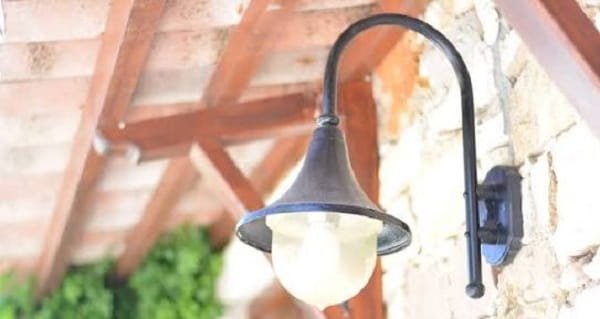
Replace a Bulb That Flickers Consistently
A brief flicker during a voltage disturbance may not indicate bulb failure. Persistent flickering, especially after the light has been on for several minutes, deserves attention.
Test the bulb in another compatible open fitting. If it flickers there as well, its driver is probably deteriorating. If another bulb also flickers in the closed fixture, the holder, switch, dimmer or wiring may need inspection.
Do not continue using a light that flickers with crackling, sparks or a burning smell. Switch off the circuit and contact an electrician.
Watch for Major Loss of Brightness
LED bulbs gradually lose light output rather than always failing suddenly. Replacement becomes practical when a room no longer receives enough illumination even after the glass cover has been cleaned.
Compare the bulb with another product of the same wattage, colour temperature and lumen rating. A bulb that becomes dim only after heating up may have a thermal or driver problem caused by the enclosed space.
Take Colour Changes Seriously
White light that turns blue, green, pink or unusually yellow may indicate deterioration inside the LED package or driver. Dark spots, browned plastic or a discoloured base are stronger reasons to stop using it.
Replace the old bulb with a model specifically approved for enclosed fixtures.
Check for Delayed Starting or Cycling
A healthy LED should normally start quickly. Delayed illumination, repeated on-and-off cycling or a bulb that works only after the switch is operated several times may indicate an internal fault.
Confirm that the bulb is seated properly and the holder is not loose. When several bulbs on the same circuit show the same behaviour, the problem may be electrical rather than a group of worn lamps.
Look for Heat Damage Safely
LED bulbs use less electricity than traditional incandescent lamps, but their electronics still produce heat. A closed fitting can trap it around the bulb.
Never touch a lit bulb to test its temperature. Switch it off and allow it to cool. Scorching around the holder, melted plastic, a strong electrical smell or repeated overheating requires professional inspection.
Do not install a higher-wattage bulb simply to gain more brightness. The fixture’s electrical and thermal limits must be respected.
Confirm the Enclosed-Fixture Rating
Read the bulb packaging or technical specifications. Look for wording such as “suitable for enclosed fixtures.” A bulb marked “not for use in fully enclosed fixtures” should not be installed behind a sealed cover.
Choose a size that leaves some space around the lamp and does not press against the cover.
When replacing an incandescent bulb, compare actual LED wattage, lumen output and the fixture rating rather than relying only on the “watt equivalent” printed on the box.
Consider Age Together With Performance
An LED bulb does not need replacement merely because it has been installed for several years. If it remains stable, bright and free from heat damage, continued use is reasonable.
Replacement makes sense when several symptoms appear together: declining brightness, colour shift, buzzing, intermittent operation or visible heat damage.
Replace the Bulb Safely
Turn off the switch and, for damaged fittings, isolate the circuit at the distribution board. Allow the bulb and cover to cool.
Support the cover while removing it and use a stable step ladder. Fit the new bulb firmly without overtightening it.
If the holder is cracked, blackened or loose, do not install another bulb until it has been repaired.
FAQs
Q: How long should an LED bulb last in a closed fixture?
A: There is no single lifespan. Heat, daily usage, voltage conditions and bulb design all affect how long it remains reliable.
Q: Can I use any LED bulb behind a glass cover?
A: No. A fully enclosed cover traps heat. Use a bulb clearly rated for enclosed-fixture installation.
Q: Why do LED bulbs fail faster in ceiling fittings?
A: Heat rises and can remain trapped around the bulb, stressing its driver and electronic components.
Q: Should I replace the fixture instead of the bulb?
A: Consider it when suitable bulbs repeatedly fail, the holder is heat-damaged or the design traps excessive heat. An electrician can recommend a safer option.
 Nishant Pal