 By Nishant Pal
 When selecting flooring or wall tiles for your home, two of the most popular premium options are porcelain tiles and vitrified tiles. Both are known for their durability, attractive finishes, and long lifespan. However, many homeowners are confused about which one is better because both offer similar features and are often used interchangeably.
The truth is that porcelain tiles are actually a type of vitrified tile, but they differ in composition, density, strength, and applications. While porcelain tiles are denser and highly resistant to moisture, vitrified tiles are available in a wider variety of finishes and are often more affordable.
This guide compares porcelain tiles and vitrified tiles in detail to help you choose the best option for your home or commercial project.
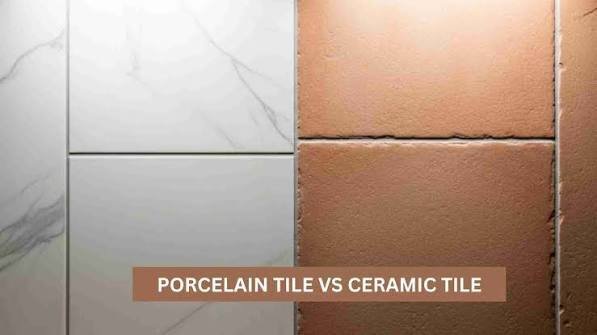
Porcelain Tiles vs Vitrified Tiles: Quick Comparison
| Feature | Porcelain Tiles | Vitrified Tiles |
|---|---|---|
| Material | Refined clay fired at very high temperatures | Clay mixed with silica, quartz, and feldspar |
| Water Absorption | Extremely low (less than 0.5%) | Very low |
| Strength | Excellent | Excellent |
| Durability | Very High | Very High |
| Surface Finish | Matte, polished, textured | Glossy, polished, matte, double-charge, soluble salt |
| Scratch Resistance | Excellent | Very Good |
| Maintenance | Very Easy | Very Easy |
| Price | Higher | Moderate to Premium |
| Best For | Outdoor areas, bathrooms, commercial flooring | Homes, offices, living rooms, kitchens |
What Are Porcelain Tiles?
Porcelain tiles are manufactured using highly refined clay and minerals that are compressed under high pressure and fired at extremely high temperatures. This process produces dense, hard, and nearly waterproof tiles.
Because of their low porosity, porcelain tiles perform exceptionally well in areas exposed to moisture, temperature changes, and heavy foot traffic.
Advantages of Porcelain Tiles
- Extremely durable
- Highly resistant to moisture
- Excellent scratch resistance
- Suitable for indoor and outdoor use
- Resistant to stains and chemicals
- Long lifespan
- Available in marble, wood, stone, and concrete finishes
Disadvantages of Porcelain Tiles
- More expensive than standard vitrified tiles
- Heavier to transport and install
- Harder to cut during installation
- Repairs often require replacing the entire tile
Porcelain tiles are widely used in luxury homes, shopping malls, airports, and commercial buildings.
What Are Vitrified Tiles?
Vitrified tiles are made by combining clay with silica, quartz, and feldspar before firing them at high temperatures. The vitrification process creates a glass-like surface that is dense, durable, and resistant to stains and water.
There are several types of vitrified tiles, including:
- Full-body vitrified tiles
- Double-charge vitrified tiles
- Soluble salt vitrified tiles
- Glazed vitrified tiles (GVT)
These tiles are available in a wide range of colours, textures, and finishes, making them suitable for almost every room in a home.
Advantages of Vitrified Tiles
- Durable and long-lasting
- Low water absorption
- Wide range of designs
- Easy maintenance
- Cost-effective
- Suitable for residential and commercial flooring
Disadvantages of Vitrified Tiles
- Lower-quality varieties may chip under heavy impact
- Some glossy finishes become slippery when wet
- Pattern depth varies depending on tile type
Vitrified tiles remain one of the most popular flooring options because they combine style, durability, and affordability.
Porcelain Tiles vs Vitrified Tiles: Key Differences
1. Durability
Both tile types are highly durable, but porcelain tiles are denser and generally offer better resistance to wear and heavy traffic.
Winner: Porcelain Tiles
2. Water Resistance
Porcelain tiles have an extremely low water absorption rate, making them ideal for bathrooms, balconies, and outdoor installations.
Vitrified tiles also resist moisture well but are slightly more porous than porcelain.
Winner: Porcelain Tiles
3. Scratch Resistance
Porcelain tiles are manufactured under higher pressure and temperature, giving them greater scratch and abrasion resistance.
Winner: Porcelain Tiles
4. Design Options
Vitrified tiles are available in a larger variety of finishes, including double-charge, glazed, and soluble salt designs.
Porcelain tiles also offer attractive finishes but generally have fewer decorative options.
Winner: Vitrified Tiles
5. Cost
Standard vitrified tiles are usually more affordable than porcelain tiles.
Premium vitrified tiles may approach porcelain pricing, but budget-friendly options remain widely available.
Winner: Vitrified Tiles
6. Maintenance
Both tiles require minimal maintenance and can be cleaned with regular sweeping and mopping.
Winner: Tie
Which Tile Is Better for Different Areas?
Living Room
Vitrified tiles are an excellent choice due to their wide range of attractive finishes and competitive pricing.
Kitchen
Both porcelain and vitrified tiles perform well because they resist stains, spills, and daily wear.
Bathroom
Porcelain tiles are the preferred option because of their exceptional water resistance. Choose anti-slip finishes for added safety.
Outdoor Areas
Porcelain tiles are better suited for patios, balconies, terraces, and pathways because they withstand changing weather conditions and moisture.
Commercial Buildings
Porcelain tiles are recommended for airports, malls, hotels, and offices with heavy foot traffic due to their superior strength and abrasion resistance.
Factors to Consider Before Buying
Before choosing your tiles, consider:
- Installation location
- Foot traffic
- Exposure to water
- Desired appearance
- Budget
- Maintenance requirements
- Slip resistance
- Tile thickness and finish
Choosing tiles based on their intended application ensures better long-term performance.
Which One Should You Choose?
Choose porcelain tiles if you:
- Need flooring for bathrooms or outdoor areas
- Want maximum durability
- Expect heavy foot traffic
- Prefer premium-quality materials
- Don’t mind paying a higher price
Choose vitrified tiles if you:
- Want stylish flooring at a lower cost
- Need a wide variety of colours and finishes
- Are renovating living rooms or bedrooms
- Want low-maintenance flooring
- Need good value for money
For most homeowners, vitrified tiles provide an excellent balance between price, durability, and aesthetics, while porcelain tiles are the better option for demanding environments.
Conclusion
Both porcelain and vitrified tiles are excellent flooring choices that offer durability, easy maintenance, and attractive finishes. Porcelain tiles stand out for their superior density, moisture resistance, and long-term performance, making them ideal for bathrooms, outdoor spaces, and commercial buildings.
Vitrified tiles, however, remain a favourite for residential applications due to their affordability, versatility, and extensive design options. They provide outstanding performance for everyday use while allowing homeowners to achieve premium-looking interiors without significantly increasing their budget.
If you prioritize maximum durability and water resistance, porcelain tiles are the better investment. If you’re looking for attractive, durable, and cost-effective flooring for most indoor spaces, vitrified tiles are the ideal choice.
FAQs
1. Are porcelain tiles better than vitrified tiles?
Porcelain tiles generally offer better durability, lower water absorption, and greater scratch resistance. However, vitrified tiles provide excellent performance at a more affordable price.
2. Can porcelain tiles be used outdoors?
Yes. Porcelain tiles are highly suitable for outdoor applications because they resist moisture, temperature changes, and heavy wear.
3. Which tiles are best for bathrooms?
Porcelain tiles are recommended for bathroom floors and walls due to their excellent water resistance. Anti-slip porcelain tiles provide additional safety.
4. Are vitrified tiles less durable than porcelain tiles?
High-quality vitrified tiles are very durable, but porcelain tiles are generally denser and better suited for areas with heavy foot traffic.
5. Which option is more affordable?
Vitrified tiles are usually more budget-friendly than porcelain tiles, making them a popular choice for residential flooring projects without compromising on quality.