 By Nishant Pal
 Maintaining a healthy weight and controlling hunger are challenges for many people. While calorie counting and restrictive diets often receive the most attention, nutrition researchers are increasingly focusing on a different strategy—eating more dietary fiber. A high-fiber diet not only supports digestion but also influences the body’s natural appetite-regulating mechanisms.
Fiber-rich foods can help you feel fuller for longer by slowing digestion and stimulating the release of hormones that signal fullness to the brain. This natural process may reduce overeating and support healthier eating habits over time. Rather than suppressing appetite artificially, fiber works with the body’s own biological systems to regulate hunger.
Understanding how fiber affects satiety hormones can help you make smarter food choices for long-term health.
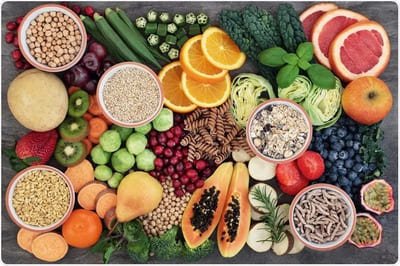
What Is Dietary Fiber?
Dietary fiber is a type of carbohydrate found in plant-based foods that the human body cannot fully digest. Unlike sugars and starches, fiber passes through the digestive system largely intact, providing several health benefits.
Common sources of fiber include:
- Fruits
- Vegetables
- Whole grains
- Lentils
- Chickpeas
- Beans
- Oats
- Nuts
- Seeds
Most adults consume less fiber than recommended, making it an important nutrient to focus on.
What Are Satiety Hormones?
Satiety hormones are chemical messengers that help regulate appetite by communicating between the digestive system and the brain.
Some of the key hormones involved include:
- GLP-1 (Glucagon-Like Peptide-1): Helps promote feelings of fullness, slows stomach emptying, and supports healthy blood sugar regulation.
- PYY (Peptide YY): Released after eating and signals the brain that you are satisfied.
- CCK (Cholecystokinin): Helps reduce appetite and supports digestion by slowing stomach emptying.
- Ghrelin: Often called the “hunger hormone,” ghrelin levels typically rise before meals and decrease after eating.
Together, these hormones help determine when you feel hungry and when you have eaten enough.
How Fiber Promotes Fullness
Fiber supports natural satiety through several mechanisms.
Slows Digestion
Soluble fiber absorbs water and forms a gel-like substance in the stomach. This slows the movement of food through the digestive tract, helping meals remain in the stomach longer.
As a result:
- Hunger returns more slowly.
- Blood sugar rises more gradually.
- Meals feel more satisfying.
Supports Beneficial Gut Bacteria
Certain types of dietary fiber act as food for beneficial bacteria in the large intestine.
During fermentation, these bacteria produce short-chain fatty acids (SCFAs) such as acetate, propionate, and butyrate.
Researchers believe these compounds may help stimulate the release of satiety hormones like GLP-1 and PYY, contributing to appetite regulation. Although this area of research continues to evolve, current evidence suggests that a healthy gut microbiome plays an important role in metabolic health.
Increases Meal Volume
High-fiber foods generally provide more bulk with relatively fewer calories.
For example:
- A large salad contains more volume than many processed snacks.
- Fresh fruit is often more filling than fruit juice.
- Whole grains typically provide greater satiety than refined grains.
Larger food volume stretches the stomach, which sends signals to the brain that enough food has been consumed.
Helps Stabilize Blood Sugar
Meals rich in fiber can slow carbohydrate absorption, reducing rapid spikes and drops in blood glucose.
More stable blood sugar levels may help:
- Maintain steady energy.
- Reduce cravings between meals.
- Support better appetite control.
This is one reason healthcare professionals often recommend fiber-rich foods as part of healthy eating patterns.
Best High-Fiber Foods
Adding a variety of fiber-rich foods helps support overall nutrition.
Excellent choices include:
- Oats
- Barley
- Brown rice
- Whole wheat
- Apples
- Pears
- Berries
- Broccoli
- Carrots
- Spinach
- Lentils
- Kidney beans
- Chickpeas
- Chia seeds
- Flaxseeds
- Almonds
Eating a range of foods provides both soluble and insoluble fiber.
Increase Fiber Gradually
Suddenly increasing fiber intake may cause temporary bloating or gas in some people.
A gradual approach works best:
- Add one extra serving of vegetables each day.
- Choose whole-grain bread instead of white bread.
- Replace refined cereals with oatmeal.
- Include legumes several times a week.
- Snack on fruit rather than processed sweets.
Drinking plenty of water also helps fiber move comfortably through the digestive system.
Fiber Is Not a Weight-Loss Shortcut
Although fiber can help increase fullness and support healthy eating habits, it is not a magic solution for weight loss.
Long-term weight management still depends on multiple factors, including:
- Overall diet quality
- Physical activity
- Sleep
- Stress management
- Medical conditions
- Individual energy needs
Fiber works best as part of a balanced lifestyle rather than a stand-alone strategy.
Who Should Be Careful?
Most healthy adults benefit from eating more fiber. However, individuals with certain digestive disorders—such as bowel narrowing, active inflammatory bowel disease, or those recovering from gastrointestinal surgery—may require specific dietary advice.
Anyone with ongoing digestive symptoms should consult a healthcare professional or registered dietitian before making major dietary changes.
Practical Ways to Eat More Fiber
Simple daily habits can make a significant difference.
Try these ideas:
- Start breakfast with oatmeal and berries.
- Add beans or lentils to soups and salads.
- Include vegetables with every main meal.
- Eat whole fruit instead of drinking fruit juice.
- Sprinkle chia or flaxseeds over yogurt.
- Choose whole-grain snacks instead of highly processed options.
Small, consistent changes are easier to maintain than drastic dietary overhauls.
Conclusion
High-fiber diets support much more than digestive health—they also help activate the body’s natural satiety mechanisms. By slowing digestion, increasing meal volume, supporting beneficial gut bacteria, and encouraging the release of hormones such as GLP-1, PYY, and CCK, dietary fiber can help people feel fuller for longer and reduce unnecessary snacking.
While fiber is not a replacement for a balanced lifestyle, it plays an important role in healthy eating patterns. Consuming a variety of fiber-rich foods alongside adequate hydration, regular physical activity, quality sleep, and mindful eating offers a sustainable approach to appetite regulation and long-term metabolic health.
Rather than following restrictive diets, focusing on whole, fiber-rich foods is a practical strategy that supports both overall health and natural hunger control.
FAQs
1. What are satiety hormones?
Satiety hormones are chemical messengers that help regulate appetite by signaling the brain when you’ve eaten enough. Important examples include GLP-1, PYY, CCK, and ghrelin.
2. How does fiber help reduce hunger?
Fiber slows digestion, increases food volume in the stomach, supports beneficial gut bacteria, and may stimulate hormones that promote feelings of fullness, helping reduce hunger between meals.
3. Which foods are highest in dietary fiber?
Excellent high-fiber foods include oats, whole grains, lentils, beans, chickpeas, apples, pears, berries, vegetables, chia seeds, flaxseeds, nuts, and seeds.
4. Can eating more fiber help with weight management?
Fiber can support healthy weight management by increasing fullness and reducing unnecessary snacking. However, successful long-term weight management also depends on balanced nutrition, regular exercise, adequate sleep, and other healthy lifestyle habits.
5. Is it safe to increase fiber intake quickly?
It’s usually better to increase fiber gradually while drinking plenty of water. A sudden increase may cause temporary bloating, gas, or digestive discomfort in some individuals.