 By Akash Sharma
 DLE Industrial Area is an emerging industrial zone that plays an important role in supporting manufacturing, small-scale industries, warehousing, and local business activities. Like many developing industrial clusters in India, this area has grown due to increasing demand for affordable industrial land, better connectivity, and easy access to labour and markets.
Over time, the DLE Industrial Area has attracted entrepreneurs, small factory owners, traders, and logistics operators who are looking for cost-effective spaces to run their businesses. It mainly supports small and medium enterprises (SMEs), which form the backbone of India’s industrial economy.
The industrial area is known for its practical business environment where production, storage, and distribution activities happen on a daily basis. It contributes to local employment and helps strengthen the regional supply chain.
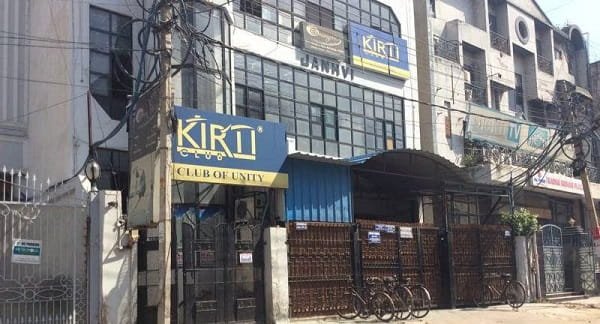
Location and Connectivity
DLE Industrial Area is typically positioned in a developing industrial belt where connectivity plays a key role in its growth. Industrial areas like DLE are usually located near highways, urban centers, or transport routes so that movement of goods becomes smooth and cost-effective.
The area is connected through:
- Nearby state highways and main roads
- Local transport routes for goods and workers
- Access to nearby towns and commercial markets
- Easy movement of trucks and delivery vehicles
Because of this connectivity, industries operating in the DLE Industrial Area can easily send raw materials to factories and distribute finished products to different markets.
The location advantage helps businesses reduce transportation time and operational costs, which is very important for small and medium industries.
Development and Industrial Growth
The growth of DLE Industrial Area is linked to India’s overall industrial expansion and government support for MSMEs.
Earlier, the area was less developed and mostly used for basic local activities. However, as industrial demand increased, land was gradually converted into industrial plots. Small workshops and manufacturing units started operations, followed by more structured industries.
Over time, the area developed basic infrastructure such as:
- Internal roads for industrial transport
- Electricity supply for factories
- Water supply systems
- Storage and warehouse spaces
- Small commercial units and workshops
This gradual development helped attract more businesses. Today, the industrial area supports a variety of production and service-based industries.
Types of Industries in DLE Industrial Area
DLE Industrial Area is home to different types of industries that contribute to local economic growth.
1. Small Manufacturing Units
Many small factories operate here, producing goods such as metal parts, plastic items, packaging materials, and consumer products.
2. Engineering and Fabrication Workshops
Engineering workshops play an important role in machine repair, metal fabrication, welding, and industrial maintenance services.
3. Warehousing and Storage Facilities
The area has several storage units used by traders and logistics companies to store goods before distribution.
4. Textile and Garment Units
Small garment units involved in stitching, tailoring, and textile processing also operate in the region.
5. Automobile Repair and Spare Parts
Some industrial units deal with vehicle repair services and automobile spare parts trading.
6. Trading and Distribution Businesses
Wholesale traders use the area for storing and distributing goods to nearby markets.
Economic Importance
DLE Industrial Area plays an important role in supporting local and regional economic development.
Its key contributions include:
- Employment generation for local workers
- Support for small and medium industries
- Development of trade and supply chains
- Growth of logistics and transport services
- Promotion of entrepreneurship and small businesses
Many people depend on the industrial area for jobs in factories, transport, loading-unloading work, and administrative roles.
The presence of diverse industries helps create a balanced industrial ecosystem where different businesses support each other.
Employment Opportunities
One of the biggest advantages of DLE Industrial Area is the availability of job opportunities for both skilled and unskilled workers.
Jobs are available in:
- Manufacturing and production units
- Machine operation and technical work
- Warehousing and logistics
- Transport and delivery services
- Packing and loading work
- Office administration and accounts
- Workshop and repair services
Many workers from nearby towns and villages come to the industrial area for daily employment. It plays an important role in improving livelihoods and supporting families in the region.
Infrastructure and Facilities
DLE Industrial Area offers basic but functional industrial infrastructure that supports business operations.
Key facilities include:
- Industrial plots for factories and warehouses
- Road network for heavy vehicles
- Electricity supply for industrial use
- Water availability for production needs
- Storage and godown spaces
- Basic safety and security arrangements
Although not a highly advanced industrial zone, it provides practical facilities required for day-to-day industrial work.
As industries grow, infrastructure development is also expected to improve further.
Transportation and Logistics
Transportation is one of the most important factors for any industrial area, and DLE Industrial Area benefits from its connectivity.
Goods movement happens through:
- Trucks and heavy vehicles
- Local transport services
- Delivery vans and small carriers
- Nearby highway routes
This makes it easy for industries to send products to nearby cities, towns, and markets.
Logistics companies also use the area for sorting, packaging, and distribution activities.
Daily Life in the Industrial Area
Daily life in DLE Industrial Area is simple and work-focused.
The area remains active throughout the day with:
- Factory operations
- Loading and unloading of goods
- Transport vehicle movement
- Workshop activities
- Trading and supply operations
Nearby small shops, tea stalls, and food outlets serve workers and drivers. The environment is practical and focused mainly on industrial work rather than residential lifestyle.
Workers usually travel daily from nearby residential areas.
Challenges Faced by the Area
Like many developing industrial zones in India, DLE Industrial Area also faces some challenges:
1. Infrastructure Limitations
Basic infrastructure such as roads and drainage systems may need further improvement.
2. Traffic Issues
Movement of heavy vehicles can sometimes cause congestion.
3. Environmental Concerns
Industrial activities may contribute to dust, noise, and pollution.
4. Need for Modernization
Some units may require upgraded machinery and better technology.
Despite these challenges, continuous industrial growth is improving the overall condition of the area.
Importance for MSMEs and Local Business
DLE Industrial Area is especially important for MSMEs (Micro, Small, and Medium Enterprises).
It provides:
- Affordable industrial space
- Easy setup for small factories
- Access to local labour
- Proximity to markets
- Low operational costs compared to large cities
This makes it a suitable location for new entrepreneurs and small business owners who want to start or expand their operations.
Future Development
The future of DLE Industrial Area looks promising as industrial demand continues to grow in India.
Expected developments include:
- Better road infrastructure
- Improved electricity and water supply
- Expansion of industrial plots
- Growth in logistics and warehousing
- More investment in MSME sectors
- Upgradation of existing industrial units
With increasing focus on industrial development across India, areas like DLE are expected to become more organized and productive in the coming years.
Conclusion
DLE Industrial Area is a developing industrial zone that plays an important role in supporting small and medium businesses. With its focus on manufacturing, warehousing, logistics, and trading activities, it contributes significantly to local employment and economic growth.
Although it faces challenges like infrastructure limitations and traffic issues, continuous development is improving its industrial capacity. In the coming years, the area is expected to grow further and become a more organized and productive industrial hub supporting regional business expansion.
Frequently Asked Questions (FAQs)
Q1. Where is DLE Industrial Area located?
A: DLE Industrial Area is located in a developing industrial region in India with good local connectivity.
Q2. What is DLE Industrial Area known for?
A: It is known for small manufacturing units, workshops, warehousing, and trading businesses.
Q3. Which industries operate in DLE Industrial Area?
A: Manufacturing, engineering workshops, textiles, warehousing, and trading businesses operate here.
Q4. Is DLE Industrial Area suitable for small businesses?
A: Yes, it is highly suitable for MSMEs and small-scale industries due to affordable space.
Q5. What type of jobs are available in the area?
A: Jobs in production, machine operation, transport, warehousing, and administration are available.
Q6. Does the industrial area support logistics?
A: Yes, logistics and transport activities are an important part of the industrial ecosystem.
Q7. What is the future of DLE Industrial Area?
A: The area is expected to grow with better infrastructure, more industries, and improved facilities.