 By Akash Sharma
 Delhi State Industrial and Infrastructure Development Corporation, commonly known as DSIIDC, plays an important role in the industrial development of Delhi. The corporation was established to promote industries, create employment opportunities, and improve industrial infrastructure across the capital city. Over the years, several industrial areas developed by DSIIDC have become major business and manufacturing hubs.
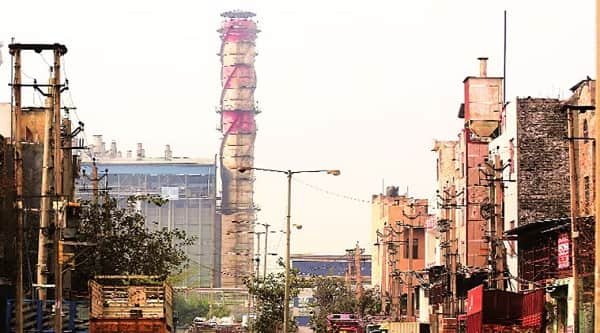
DSIIDC industrial areas are spread across different parts of Delhi and support thousands of small, medium, and large-scale industries. These industrial zones are known for factories, warehouses, workshops, offices, and commercial activities. Many people visit these areas daily for work, trading, transportation, and industrial operations.
The development of DSIIDC industrial areas has helped Delhi grow economically while providing organized spaces for industrial businesses. Today, these industrial regions are important for manufacturing, logistics, and commercial activities in the city.
What is DSIIDC?
Delhi State Industrial and Infrastructure Development Corporation is a government organization that works under the Delhi Government. Its main objective is to promote planned industrial growth and infrastructure development in Delhi.
The corporation develops industrial estates, provides infrastructure support, and manages industrial land in different parts of the city. It also focuses on improving facilities such as roads, drainage systems, street lighting, and business spaces in industrial regions.
DSIIDC has played a major role in shifting industries into organized industrial areas instead of congested residential localities. This has helped improve industrial management and urban planning.
Major DSIIDC Industrial Areas in Delhi
Several industrial areas in Delhi have been developed or managed by DSIIDC. These areas support different types of industries and businesses.
Some well-known DSIIDC industrial regions include:
- Bawana Industrial Area
- Narela Industrial Area
- Okhla Industrial Area
- Patparganj Industrial Area
- Jhilmil Industrial Area
- Mangolpuri Industrial Area
- Udyog Nagar
- Mundka Industrial Region
These industrial zones are located strategically across Delhi to improve connectivity and commercial growth.
Importance of DSIIDC Industrial Areas
DSIIDC industrial areas are very important for Delhi’s economy because they provide organized industrial spaces for businesses and factories.
Support for Manufacturing
Many industries operating in these areas manufacture products such as machinery, electrical goods, plastic items, garments, furniture, packaging materials, and metal products. These industries supply goods across Delhi and other parts of India.
Employment Generation
Thousands of workers are employed in DSIIDC industrial areas. Skilled, semi-skilled, and unskilled workers find job opportunities in factories, warehouses, offices, and transport services.
Business Expansion
Industrial areas developed by DSIIDC help businesses expand operations in organized locations with better infrastructure and connectivity.
Infrastructure Development
Roads, electricity supply, drainage systems, and transport facilities in industrial areas improve overall industrial efficiency and business operations.
Types of Industries Found in DSIIDC Areas
DSIIDC industrial zones support a wide range of industries. Different areas may specialize in different sectors depending on business demand and location advantages.
Manufacturing Industries
Manufacturing is one of the largest sectors operating in DSIIDC areas. Factories produce industrial goods, consumer products, machinery parts, and household items.
Garment and Textile Units
Several garment manufacturing and textile businesses operate in these industrial areas. These units supply clothing products to local and national markets.
Plastic and Packaging Industries
Plastic product manufacturing and packaging businesses are commonly found in industrial estates. These industries support retail, food, and logistics sectors.
Engineering Workshops
Engineering and fabrication workshops handle metal cutting, machine repairs, welding, and industrial fabrication work.
Warehousing and Logistics
Large warehouses and logistics centers operate in many DSIIDC industrial zones. Businesses use these spaces for storage and product distribution.
Food Processing Units
Some industrial areas also include food processing units, bakeries, and packaging facilities for food products.
Connectivity and Transportation
One of the major advantages of DSIIDC industrial areas is good connectivity through roads, highways, and metro services.
Road Network
Most industrial areas are connected to major roads and highways, making transportation easier for businesses. Trucks and cargo vehicles regularly move goods between industrial areas and markets.
Industrial regions located near highways help businesses transport goods quickly to neighboring states like Haryana, Uttar Pradesh, Punjab, and Rajasthan.
Metro Connectivity
Many DSIIDC industrial zones are connected through Delhi Metro services. Metro connectivity helps workers and business owners travel comfortably without depending completely on private vehicles.
Industrial areas near metro stations attract more workers because commuting becomes easier and affordable.
Public Transport
Buses, auto-rickshaws, e-rickshaws, and taxis are available near most industrial zones. Public transport supports daily movement of workers and visitors.
Employment Opportunities in DSIIDC Areas
DSIIDC industrial regions provide large-scale employment opportunities to people from Delhi and nearby states. Workers from Uttar Pradesh, Bihar, Haryana, Rajasthan, and other regions come to Delhi for industrial jobs.
Popular job roles include:
- Machine operators
- Factory supervisors
- Packaging staff
- Warehouse workers
- Delivery staff
- Accountants and office executives
- Technicians and electricians
- Security guards
- Transport operators
Small and medium businesses regularly hire workers according to production demands.
Commercial and Real Estate Growth
Industrial development has also increased commercial real estate demand in surrounding regions. Property prices and rental values near industrial areas have grown over the years.
Many investors purchase industrial plots, warehouse spaces, and commercial buildings for long-term business benefits. Industrial properties are especially valuable in areas with strong connectivity and growing business demand.
Commercial activities like restaurants, tea stalls, banks, repair shops, and local markets also develop around industrial zones to support workers and businesses.
Daily Environment in Industrial Areas
DSIIDC industrial areas usually remain busy throughout the day. Factories start operations early in the morning, and transport vehicles move goods regularly.
Tea stalls, dhabas, food corners, and local markets remain crowded during lunch hours and evening shifts. Workers often depend on nearby shops for daily needs.
The environment in industrial areas is fast-moving and business-focused. Heavy vehicles, loading activities, and machinery operations are common scenes in these regions.
Challenges Faced by DSIIDC Industrial Areas
Although these industrial zones contribute greatly to Delhi’s economy, they also face several challenges.
Traffic Congestion
Heavy movement of trucks and commercial vehicles creates traffic problems, especially during peak business hours.
Pollution Issues
Industrial operations can contribute to air, noise, and waste pollution. Proper industrial waste management remains important for maintaining environmental balance.
Infrastructure Maintenance
Road damage, drainage blockages, and parking shortages sometimes create difficulties for businesses and workers.
Fire and Safety Concerns
Factories and warehouses require proper fire safety systems and regular inspections to reduce industrial risks.
Government Efforts and Improvements
The Delhi Government and DSIIDC continue working on improving industrial infrastructure. Road repairs, drainage upgrades, lighting improvements, and waste management systems are regularly introduced in several industrial zones.
Authorities also focus on improving safety standards and organizing industrial operations more effectively.
Modern warehouse systems and logistics parks are expected to increase further as e-commerce and supply chain businesses grow in India.
Future of DSIIDC Industrial Areas
The future of DSIIDC industrial areas looks strong because Delhi continues to remain an important commercial center in North India. Growing industrial demand, online business expansion, and logistics development are creating new business opportunities.
Industrial zones are expected to become more organized with better infrastructure, cleaner surroundings, and modern facilities. Warehousing and transport sectors may see major growth in coming years.
Businesses are also adopting advanced technology and automation in manufacturing and logistics operations, which may improve productivity and efficiency.
Conclusion
Delhi State Industrial and Infrastructure Development Corporation has played a major role in developing organized industrial infrastructure across Delhi. DSIIDC industrial areas support manufacturing, warehousing, transport, and commercial businesses while generating employment for thousands of people.
These industrial zones have become important centers for economic growth and business expansion in the capital city. Good road connectivity, metro access, and industrial facilities make them valuable for industries and investors.
Despite challenges like traffic, pollution, and infrastructure pressure, DSIIDC industrial areas continue to grow and support Delhi’s industrial economy. With ongoing development and modernization, these industrial regions are expected to remain important business hubs for many years ahead.