 By Nishant Pal
 Building a better lifestyle can feel overwhelming when you think about everything you want to improve at once. You may want to exercise regularly, eat healthier meals, sleep earlier, reduce screen time, save money, manage stress, and become more productive. Trying to change all these areas together often leads to exhaustion rather than lasting progress.
A more effective approach is to improve your lifestyle one habit at a time. Small actions may appear insignificant in the beginning, but when repeated consistently, they gradually influence your health, confidence, relationships, and daily routine. The goal is not to create a perfect life overnight. It is to build a realistic system that makes healthier choices easier to repeat.
Why Small Habits Work Better
Major lifestyle changes usually require strong motivation, which naturally rises and falls. Small habits require less effort and are easier to continue even on busy or stressful days.
For example, deciding to exercise for an hour every morning may feel difficult if you are currently inactive. Starting with a 10-minute walk is more manageable. Once walking becomes a normal part of your day, you can gradually increase the duration or add strength exercises.
Small habits work because they:
- Reduce mental resistance
- Create early successes
- Build confidence
- Fit into existing routines
- Become easier through repetition
Progress may feel slow, but sustainable habits usually produce better long-term results than extreme routines.
Begin With One Clear Goal
Avoid vague goals such as “I want to become healthier.” Choose one specific change you can measure and practise.
Better goals include:
- Walk for 15 minutes after dinner.
- Drink a glass of water after waking.
- Put the phone away 30 minutes before bed.
- Add one vegetable to lunch.
- Read five pages every evening.
A clear goal tells you exactly what action to take. Once that habit feels natural, you can build another improvement around it.
Make the Habit Small Enough to Start
Many people fail because they begin with a version of the habit that is too demanding. A new routine should feel almost too easy in the beginning.
Instead of planning to:
- Meditate for 30 minutes, start with two minutes.
- Read one book weekly, start with five pages daily.
- Exercise every day, begin with three short sessions a week.
- Completely stop eating outside food, cook one additional meal at home.
Starting small removes the pressure to perform perfectly. You can always expand the habit later.
Attach New Habits to Existing Routines
One of the easiest ways to remember a habit is to connect it with something you already do every day. This method is often called habit stacking.
Examples include:
- After brushing your teeth, stretch for two minutes.
- After morning tea, plan your three most important tasks.
- After lunch, walk for 10 minutes.
- After switching off your work computer, tidy your desk.
- Before getting into bed, write one thing you appreciated that day.
The existing routine becomes a natural reminder for the new behaviour.
Design Your Environment for Success
Willpower is useful, but your surroundings often have a stronger influence on daily choices.
Make healthy habits visible and convenient:
- Keep a water bottle on your desk.
- Place fruits where they are easy to see.
- Keep workout clothes ready the night before.
- Leave a book beside your bed.
- Charge your phone outside the bedroom.
- Remove distracting apps from the home screen.
At the same time, make unwanted habits less convenient. Store sugary snacks out of sight, turn off unnecessary notifications, and avoid keeping the television running in the background.
Track Progress Without Becoming Obsessive
A simple record can help you notice consistency and stay motivated. Use a calendar, notebook, or habit-tracking app to mark the days when you complete your habit.
Tracking works best when it remains simple. The purpose is not to create guilt but to understand your routine.
If you miss a day, avoid treating it as failure. Try not to miss the next opportunity. One missed walk or late bedtime does not destroy your progress; repeatedly abandoning the habit does.
Focus on Identity, Not Only Results
Habits become stronger when they connect with the person you want to become.
Instead of saying:
- “I am trying to exercise,” think, “I am becoming an active person.”
- “I need to read more,” think, “I am someone who learns regularly.”
- “I must save money,” think, “I make thoughtful financial decisions.”
Each small action becomes evidence of your new identity. A 10-minute walk may seem minor, but it reinforces the belief that movement is part of your lifestyle.
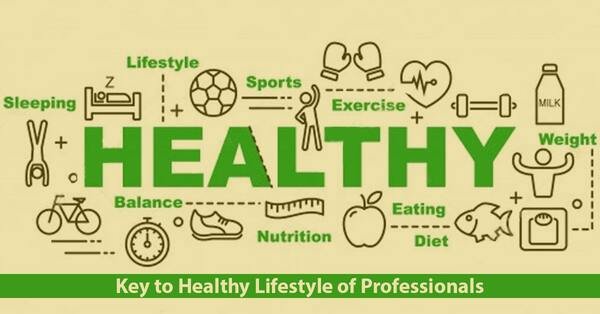
Build a Strong Health Foundation
A better lifestyle usually begins with a few basic areas:
Sleep
Maintain a consistent bedtime, reduce late-night screen use, and create a calm sleeping environment. Better sleep can improve mood, concentration, appetite control, and energy.
Movement
Choose an activity you enjoy. Walking, cycling, dancing, yoga, swimming, and strength exercises can all support health when practised regularly.
Nutrition
Avoid trying to follow a perfect diet. Begin by adding healthier foods rather than banning everything you enjoy. Include more vegetables, fruits, whole grains, protein, and home-cooked meals.
Hydration
Keep water easily available and drink regularly throughout the day, particularly during hot weather or physical activity.
Include Habits for Mental Well-Being
A healthy lifestyle is not limited to physical fitness. Mental and emotional habits matter equally.
Useful practices include:
- Taking short breaks during work
- Spending time outdoors
- Limiting negative online content
- Journaling
- Practising deep breathing
- Talking with supportive people
- Maintaining clear personal boundaries
Even 10 minutes of quiet, screen-free time can help reduce mental overload.
Improve Your Financial and Digital Habits
Lifestyle improvement also includes the way you manage money and technology.
For better financial health, begin by recording expenses, saving a small fixed amount each month, and waiting before making unnecessary purchases.
For better digital health, introduce phone-free meals, turn off non-essential notifications, and avoid scrolling in bed. These small boundaries can improve sleep, concentration, and relationships.
Review Your Habits Regularly
A habit that worked six months ago may no longer suit your schedule. Review your routine every few weeks and ask:
- Is this habit still useful?
- Is it realistic?
- What makes it difficult?
- Should I reduce, expand, or replace it?
Lifestyle improvement should remain flexible. Adjusting a habit is not failure; it is part of creating a routine that works in real life.
Avoid the All-or-Nothing Mindset
One unhealthy meal does not ruin a balanced diet. Missing one workout does not make you inactive. A stressful week does not erase months of progress.
The all-or-nothing mindset causes people to quit after small setbacks. Instead, focus on returning to your routine as soon as possible.
Consistency does not mean doing everything perfectly. It means continuing despite imperfect days.
FAQs
1. Which habit should I improve first?
Start with the habit that would make other healthy choices easier. For many people, improving sleep, daily movement, hydration, or meal planning creates a strong foundation.
2. How long does it take to form a habit?
There is no fixed timeline. Simple habits may become easier within weeks, while complex behaviours may require several months. Repetition and consistency matter more than a specific number of days.
3. Should I work on several habits together?
It is usually easier to begin with one or two small habits. Once they become stable, gradually add another improvement.
4. What should I do after missing a habit?
Resume it at the next practical opportunity without punishing yourself. Missing occasionally is normal; the important step is returning to the routine.
5. How can I stay motivated?
Make the habit easy, track your progress, connect it to an existing routine, and focus on how it supports the person you want to become. Motivation may change, but a well-designed system makes action easier.