 By Nishant Pal
 When building a new home or replacing old plumbing, one of the biggest decisions is choosing the right pipe material. Two of the most commonly used options are copper pipes and PVC (Polyvinyl Chloride) pipes. Both have been widely used for decades, but they serve different purposes and offer unique advantages.
Copper has long been considered the premium choice for water supply systems due to its durability and reliability. PVC, on the other hand, is lightweight, affordable, and easy to install, making it a popular option for drainage and cold water applications.
So, which one is better? The answer depends on your budget, the type of plumbing system, and your long-term maintenance expectations. This guide compares copper and PVC plumbing in detail to help you make an informed decision.
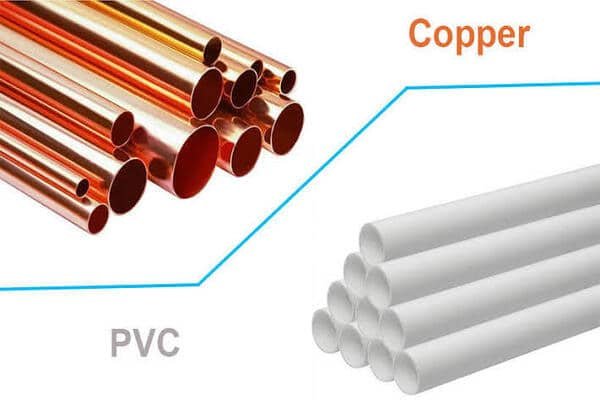
Copper vs PVC Plumbing: Quick Comparison
| Feature | Copper Pipes | PVC Pipes |
|---|---|---|
| Material | Pure copper | Polyvinyl Chloride (Plastic) |
| Durability | Excellent | Good to Excellent |
| Lifespan | 50–70+ years | 25–50 years |
| Corrosion Resistance | Excellent | Excellent |
| Heat Resistance | Excellent | Limited |
| Water Pressure | Handles high pressure | Suitable for moderate pressure |
| Installation | Requires skilled labour | Easy and quick |
| Cost | Expensive | Budget-friendly |
| Best For | Drinking water, hot and cold water supply | Drainage, irrigation, cold water supply |
What Are Copper Pipes?
Copper pipes have been used in residential and commercial plumbing systems for decades. They are known for their exceptional strength, long lifespan, and ability to handle both hot and cold water.
Copper is naturally resistant to corrosion and has antimicrobial properties, making it a preferred choice for potable water systems.
Advantages of Copper Plumbing
- Extremely durable
- Safe for drinking water
- Long service life
- Resistant to UV rays
- Handles high temperatures
- Naturally inhibits bacterial growth
- Recyclable and environmentally friendly
Disadvantages of Copper Plumbing
- Higher purchase cost
- Expensive installation
- Requires soldering or press-fit connections
- Can develop pinhole leaks in highly acidic water
- May dent under heavy impact
Despite its higher initial investment, copper remains one of the most reliable plumbing materials available.
What Are PVC Pipes?
PVC (Polyvinyl Chloride) is a lightweight plastic material widely used in plumbing systems. It is commonly installed for drainage, waste disposal, irrigation systems, and cold water supply lines.
PVC pipes are joined using solvent cement, making installation much faster than metal piping.
Advantages of PVC Plumbing
- Affordable
- Lightweight
- Easy to transport
- Simple installation
- Corrosion resistant
- Smooth interior reduces clogging
- Low maintenance
Disadvantages of PVC Plumbing
- Not suitable for hot water
- Can become brittle after prolonged UV exposure
- Less impact resistant than copper
- Lower heat tolerance
- May crack under extreme cold conditions
PVC remains one of the most economical plumbing materials for residential applications.
Copper vs PVC Plumbing: Key Differences
1. Durability
Copper pipes can easily last over 50 years with proper installation and maintenance.
PVC pipes are durable but generally have a shorter lifespan.
Winner: Copper
2. Heat Resistance
Copper handles very high temperatures, making it suitable for both hot and cold water systems.
PVC softens at higher temperatures and should not be used for hot water lines.
Winner: Copper
3. Corrosion Resistance
Both materials resist corrosion well.
Copper naturally develops a protective patina, while PVC is completely resistant to rust.
Winner: Tie
4. Installation
PVC is lightweight and easy to cut, join, and install using solvent cement.
Copper installation requires specialised tools and professional skills.
Winner: PVC
5. Cost
PVC is considerably less expensive than copper, both in material and installation costs.
Copper offers premium performance but comes at a higher price.
Winner: PVC
6. Environmental Impact
Copper is fully recyclable and can be reused without losing quality.
PVC production and disposal have a greater environmental impact, although many PVC products can now be recycled through specialised facilities.
Winner: Copper
Which Material Is Better for Different Applications?
Drinking Water Supply
Copper is widely regarded as one of the best materials for potable water because of its durability and antimicrobial properties.
Hot Water Lines
Copper is the preferred option since it easily withstands high temperatures.
PVC should never be used for hot water distribution.
Cold Water Supply
Both copper and PVC perform well.
PVC is often chosen because it provides excellent performance at a lower cost.
Drainage Systems
PVC is the standard choice for drainage, waste, and vent systems because it is lightweight, corrosion-resistant, and easy to install.
Outdoor Irrigation
PVC is commonly used for garden irrigation and agricultural water supply due to its affordability and resistance to soil corrosion.
Factors to Consider Before Choosing
Before selecting a plumbing material, consider:
- Your budget
- Water temperature
- Local building codes
- Installation costs
- Water pressure
- Climate conditions
- Maintenance requirements
- Expected lifespan
Consulting a qualified plumber can help ensure you choose the right material for your specific needs.
Copper or PVC: Which Should You Choose?
Choose copper pipes if you:
- Need a long-lasting plumbing system
- Want pipes for hot and cold water
- Prefer premium-quality materials
- Don’t mind a higher upfront investment
- Want maximum durability
Choose PVC pipes if you:
- Have a limited budget
- Need drainage or irrigation pipes
- Are installing cold water lines
- Want faster installation
- Prefer low-cost maintenance
Many modern homes use a combination of both materials—copper for water supply and PVC for drainage systems—to achieve the best balance of performance and cost.
Conclusion
Copper and PVC plumbing materials each have their strengths. Copper remains the premium option for drinking water and hot water systems due to its exceptional durability, heat resistance, and long lifespan. It is an excellent investment for homeowners looking for reliability over several decades.
PVC, meanwhile, is a practical and economical solution for drainage systems, irrigation, and cold water applications. Its lightweight design, easy installation, and low cost make it one of the most widely used plumbing materials today.
Rather than viewing them as competitors, it’s helpful to understand that both materials serve different purposes. For most residential plumbing projects, combining copper pipes for water supply with PVC pipes for drainage provides a cost-effective and dependable plumbing system.
FAQs
1. Which is better for plumbing, copper or PVC?
Copper is generally better for drinking water and hot water supply because of its durability and heat resistance. PVC is ideal for drainage, irrigation, and cold water lines due to its affordability and ease of installation.
2. Is PVC cheaper than copper?
Yes. PVC pipes are significantly less expensive than copper pipes, and installation costs are also lower because they require fewer specialised tools and less labour.
3. Can PVC pipes carry hot water?
No. Standard PVC pipes are not designed for hot water. CPVC (Chlorinated Polyvinyl Chloride) is a better choice for hot water plumbing because it can withstand higher temperatures.
4. How long do copper and PVC pipes last?
Copper pipes typically last 50–70 years or more, while quality PVC pipes generally have a lifespan of 25–50 years, depending on installation quality and environmental conditions.
5. Which plumbing material requires less maintenance?
Both materials require minimal maintenance. Copper is more durable over the long term, while PVC resists corrosion and is easy to repair or replace when needed.