 By Nishant Pal
 Choosing the right faucet is an important part of designing a functional and stylish kitchen or bathroom. Two of the most popular materials available today are brass and stainless steel. Both are known for their durability, corrosion resistance, and attractive appearance, but they differ in terms of strength, longevity, maintenance, and price.
So, which one is better? The answer depends on your budget, water quality, design preferences, and how frequently the faucet will be used. Brass faucets are often considered the premium choice for long-term durability, while stainless steel faucets are valued for their modern appearance, affordability, and excellent resistance to rust.
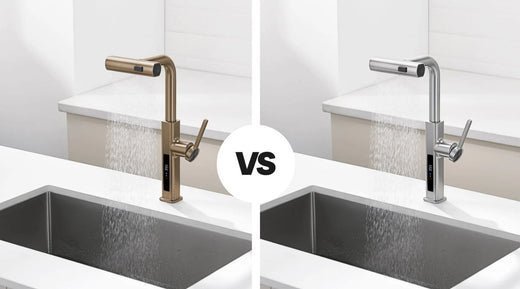
This guide compares brass and stainless steel faucets in detail to help you choose the best option for your home.
Brass vs Stainless Steel Faucet: Quick Comparison
| Feature | Brass Faucet | Stainless Steel Faucet |
|---|---|---|
| Material | Copper and zinc alloy | Iron alloy with chromium and nickel |
| Durability | Excellent | Excellent |
| Corrosion Resistance | Very High | Very High |
| Rust Resistance | Excellent | Excellent |
| Lifespan | 20–30+ years | 15–25+ years |
| Maintenance | Low | Very Low |
| Weight | Heavier | Lighter |
| Price | Higher | More affordable |
| Best For | Premium kitchens and bathrooms | Modern homes and budget-friendly renovations |
What Is a Brass Faucet?
A brass faucet is manufactured using an alloy of copper and zinc. Brass has been used in plumbing for decades because of its strength, corrosion resistance, and long service life.
High-quality brass faucets are commonly installed in luxury homes, hotels, hospitals, and commercial buildings due to their reliability.
Advantages of Brass Faucets
- Extremely durable
- Excellent corrosion resistance
- Handles high water pressure
- Long lifespan
- Naturally resistant to bacterial growth
- Available in a variety of premium finishes
- Ideal for both hot and cold water
Disadvantages of Brass Faucets
- Higher purchase price
- Heavier than stainless steel
- Lower-quality brass may contain higher zinc content, which can reduce durability over time
- Premium models may require a larger budget
Despite the higher initial cost, brass faucets are often considered a long-term investment.
What Is a Stainless Steel Faucet?
A stainless steel faucet is made from a corrosion-resistant alloy containing chromium and, in many cases, nickel. It is widely used in modern kitchens and bathrooms because of its sleek appearance and resistance to rust.
Many premium stainless steel faucets are manufactured using 304-grade stainless steel, which offers excellent durability and hygiene.
Advantages of Stainless Steel Faucets
- Rust resistant
- Lightweight
- Modern appearance
- Easy to clean
- Hygienic surface
- Affordable compared to brass
- Resistant to stains and fingerprints (on brushed finishes)
Disadvantages of Stainless Steel Faucets
- May dent under heavy impact
- Lower-quality models may feel less sturdy
- Limited finish options compared to brass
- Can show water spots on polished surfaces
Stainless steel faucets are an excellent choice for homeowners looking for durability at a reasonable price.
Brass vs Stainless Steel Faucet: Key Differences
1. Durability
Brass is one of the strongest plumbing materials available. It performs exceptionally well under continuous use and can withstand decades of operation.
Stainless steel is also highly durable but is generally lighter than brass.
Winner: Brass
2. Corrosion Resistance
Both materials offer outstanding resistance to corrosion and rust.
Brass performs particularly well in areas with varying water quality, while stainless steel excels in humid environments.
Winner: Tie
3. Appearance
Brass faucets are available in finishes such as chrome, brushed brass, antique brass, matte black, bronze, and gold.
Stainless steel provides a clean, modern, industrial look that complements contemporary kitchens.
Winner: Depends on personal preference
4. Maintenance
Stainless steel requires very little maintenance and can usually be cleaned with mild soap and water.
Brass also requires minimal maintenance, although certain decorative finishes may need occasional polishing.
Winner: Stainless Steel
5. Lifespan
A high-quality brass faucet can easily last more than 20–30 years with proper care.
Premium stainless steel faucets also have a long lifespan but may not match the longevity of solid brass models.
Winner: Brass
6. Cost
Stainless steel faucets are generally more affordable.
Brass faucets command a higher price because of the material and manufacturing quality.
Winner: Stainless Steel
Which Faucet Is Better for Different Areas?
Kitchen
Both materials perform exceptionally well. Stainless steel is popular because it complements modern appliances, while brass offers superior durability for heavy daily use.
Bathroom
Brass faucets provide a luxurious appearance and excellent longevity. Stainless steel is ideal for minimalist bathroom designs.
Commercial Spaces
Brass is often chosen for high-traffic installations due to its strength, while stainless steel is commonly used in restaurants and healthcare facilities because of its hygienic properties.
Hard Water Areas
Both materials resist corrosion well, but brass faucets with high-quality internal components generally perform better over the long term in regions with mineral-rich water.
Factors to Consider Before Buying
Before selecting a faucet, consider:
- Material quality
- Water pressure
- Water quality
- Finish and colour
- Installation type
- Warranty
- Ease of maintenance
- Budget
Choosing a faucet from a reputable manufacturer is just as important as selecting the right material.
Brass or Stainless Steel: Which Should You Choose?
Choose a brass faucet if you:
- Want maximum durability
- Prefer a premium finish
- Need a long-lasting plumbing fixture
- Don’t mind spending more upfront
- Want excellent performance in high-use areas
Choose a stainless steel faucet if you:
- Have a moderate budget
- Prefer a sleek, modern design
- Want easy maintenance
- Need excellent rust resistance
- Are renovating a contemporary kitchen or bathroom
Both materials are excellent, but the right choice depends on your priorities and budget.
Conclusion
Brass and stainless steel faucets are both outstanding choices for residential and commercial applications. Brass stands out for its exceptional durability, long lifespan, and premium feel, making it a preferred option for homeowners seeking long-term value and reliability.
Stainless steel faucets, meanwhile, offer excellent corrosion resistance, easy maintenance, and a stylish modern appearance at a more affordable price. They are ideal for contemporary kitchens and bathrooms where functionality and aesthetics are equally important.
If your budget allows and you want a faucet that can last for decades, a solid brass faucet is an excellent investment. If you’re looking for a durable, hygienic, and cost-effective option with a modern design, a high-quality 304-grade stainless steel faucet is a smart choice.
FAQs
1. Which is better, a brass or stainless steel faucet?
Brass faucets are generally better for long-term durability and premium quality, while stainless steel faucets are more affordable, lightweight, and easier to maintain.
2. Are brass faucets safe for drinking water?
Yes. High-quality brass faucets manufactured to modern safety standards are suitable for drinking water systems. Choosing lead-free brass models is recommended for residential use.
3. Do stainless steel faucets rust?
Quality stainless steel faucets, especially those made from 304-grade stainless steel, are highly resistant to rust and corrosion under normal household conditions.
4. Which faucet lasts longer?
Solid brass faucets typically have a longer lifespan and can last 20–30 years or more with proper maintenance. High-quality stainless steel faucets also offer excellent durability but may have a slightly shorter lifespan.
5. Which faucet requires less maintenance?
Stainless steel faucets generally require less maintenance because they resist fingerprints, stains, and corrosion. Brushed stainless steel finishes are particularly easy to keep clean.