 By Nishant Pal
 Choosing the right flooring or wall tiles is one of the most important decisions when building or renovating a home. Among the many options available, ceramic and vitrified tiles are two of the most popular choices. While they may look similar, they differ significantly in terms of durability, water absorption, strength, maintenance, and price.
So, which one is better? The answer depends on where you plan to use the tiles and your budget. Ceramic tiles are affordable and suitable for walls and low-traffic areas, whereas vitrified tiles are stronger, more durable, and ideal for high-traffic spaces.
This guide compares ceramic and vitrified tiles in detail to help you make the right decision for your home or commercial project.
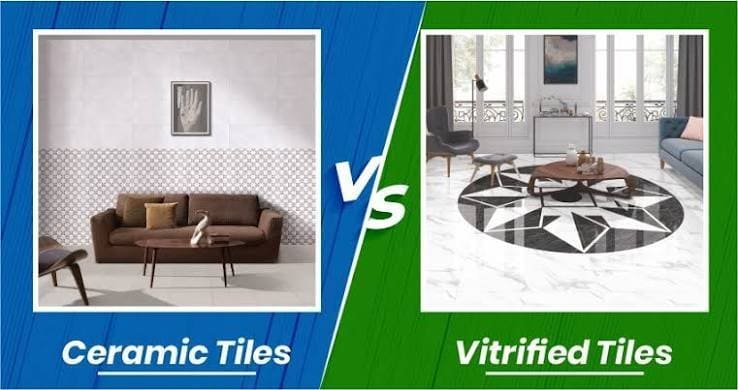
Ceramic vs Vitrified Tiles: Quick Comparison
| Feature | Ceramic Tiles | Vitrified Tiles |
|---|---|---|
| Material | Natural clay with glaze | Clay mixed with silica, quartz, and feldspar |
| Strength | Moderate | Very High |
| Water Absorption | Higher | Very Low |
| Durability | Good | Excellent |
| Finish | Glossy, matte, textured | Glossy, matte, polished, double-charge |
| Maintenance | Easy | Very Easy |
| Best For | Walls, bathrooms, bedrooms | Living rooms, kitchens, offices, commercial spaces |
| Lifespan | 10–20 years | 20–30+ years |
| Cost | Budget-friendly | Slightly more expensive |
What Are Ceramic Tiles?
Ceramic tiles are made from natural clay, sand, and water. They are molded into shape, baked at high temperatures, and often coated with a protective glaze that provides color and design.
These tiles have been used in homes for decades because they are affordable, attractive, and available in thousands of designs.
Advantages of Ceramic Tiles
- Affordable compared to vitrified tiles
- Available in numerous colors and patterns
- Lightweight and easy to install
- Suitable for walls and indoor flooring
- Resistant to stains and scratches with glazed finishes
- Easy to clean using regular household cleaners
Disadvantages of Ceramic Tiles
- Less durable than vitrified tiles
- Can crack under heavy impact
- Higher water absorption
- May wear faster in high-traffic areas
- Not ideal for industrial or commercial flooring
Ceramic tiles are best suited for areas that experience light to moderate foot traffic.
What Are Vitrified Tiles?
Vitrified tiles are manufactured by combining clay with silica, quartz, and feldspar before firing them at extremely high temperatures. This process creates a dense, glass-like structure that is highly durable and almost non-porous.
Because of their strength and low water absorption, vitrified tiles are widely used in modern homes, offices, shopping malls, hospitals, and commercial buildings.
Advantages of Vitrified Tiles
- Extremely durable
- Very low water absorption
- Highly resistant to stains
- Suitable for heavy foot traffic
- Requires very little maintenance
- Long-lasting finish
- Available in marble, stone, wood, and concrete designs
Disadvantages of Vitrified Tiles
- Higher initial cost
- More difficult to cut during installation
- Repairs may require replacing the entire tile
- Can become slippery when polished and wet
Despite the higher price, vitrified tiles are considered a long-term investment because of their durability.
Ceramic vs Vitrified Tiles: Key Differences
1. Durability
Vitrified tiles are much stronger than ceramic tiles. They are less likely to chip, crack, or wear out over time.
Winner: Vitrified Tiles
2. Water Resistance
Ceramic tiles absorb more moisture than vitrified tiles. Vitrified tiles have extremely low water absorption, making them ideal for wet areas.
Winner: Vitrified Tiles
3. Maintenance
Both tile types are easy to clean, but vitrified tiles resist stains better because of their dense surface.
Winner: Vitrified Tiles
4. Appearance
Ceramic tiles offer a wide variety of colorful decorative designs, while vitrified tiles often mimic premium materials like marble, granite, and wood.
Winner: Tie (depends on design preference)
5. Cost
Ceramic tiles are generally more affordable, making them suitable for budget-conscious homeowners.
Winner: Ceramic Tiles
6. Lifespan
Vitrified tiles usually last much longer because they resist scratches, stains, and moisture.
Winner: Vitrified Tiles
Which Tile Is Best for Different Areas?
Living Room
Vitrified tiles are ideal because they provide a premium appearance and can withstand heavy daily use.
Kitchen
Vitrified tiles are recommended due to their resistance to stains, water, and spills.
Bathroom
For bathroom walls, ceramic tiles are a good option because they are affordable and available in many attractive designs. For bathroom floors, vitrified tiles with an anti-skid finish are a safer choice.
Bedroom
Both ceramic and vitrified tiles work well. Ceramic tiles are suitable for budget-friendly bedrooms, while vitrified tiles provide greater durability and a more luxurious finish.
Commercial Buildings
Vitrified tiles are the preferred choice because they can handle heavy foot traffic and require minimal maintenance.
Factors to Consider Before Buying Tiles
Before making your purchase, consider:
- Room location
- Foot traffic
- Water exposure
- Budget
- Maintenance requirements
- Tile finish (matte, glossy, textured)
- Slip resistance
- Tile size and design
Choosing tiles based on their intended use helps improve durability and long-term value.
Which One Should You Choose?
Choose ceramic tiles if you:
- Have a limited budget
- Need decorative wall tiles
- Are renovating bedrooms or guest rooms
- Want a wide range of colorful designs
Choose vitrified tiles if you:
- Want long-lasting flooring
- Need tiles for kitchens or living rooms
- Are building a commercial property
- Prefer low-maintenance flooring
- Want premium marble or stone-like finishes
Although vitrified tiles cost more initially, their durability often makes them more cost-effective over the long term.
Conclusion
Both ceramic and vitrified tiles have their own advantages, and the better option depends on your specific requirements. Ceramic tiles are an excellent choice for homeowners seeking an affordable, attractive solution for walls and light-use areas. They offer a wide variety of designs and are easy to install.
Vitrified tiles, however, outperform ceramic tiles in terms of strength, durability, water resistance, and longevity. They are ideal for modern homes, offices, and commercial spaces where long-term performance is a priority.
If your budget allows, vitrified tiles are generally the better investment for flooring. For decorative walls and cost-effective renovations, ceramic tiles remain a practical and attractive option.
FAQs
1. Which is better, ceramic or vitrified tiles?
Vitrified tiles are generally better for flooring because they are stronger, more durable, and highly resistant to water and stains. Ceramic tiles are better suited for walls and low-traffic areas.
2. Are vitrified tiles more expensive than ceramic tiles?
Yes. Vitrified tiles usually have a higher purchase price, but their longer lifespan and lower maintenance costs make them a worthwhile investment.
3. Can ceramic tiles be used for flooring?
Yes. Ceramic tiles are suitable for residential flooring in bedrooms and areas with light to moderate foot traffic, but they are less durable than vitrified tiles.
4. Which tiles are best for bathrooms?
Ceramic tiles are commonly used for bathroom walls, while anti-skid vitrified tiles are recommended for bathroom floors because they offer better water resistance and durability.
5. How long do ceramic and vitrified tiles last?
Ceramic tiles typically last 10–20 years with proper care, while high-quality vitrified tiles can last 20–30 years or even longer, depending on usage and maintenance.